


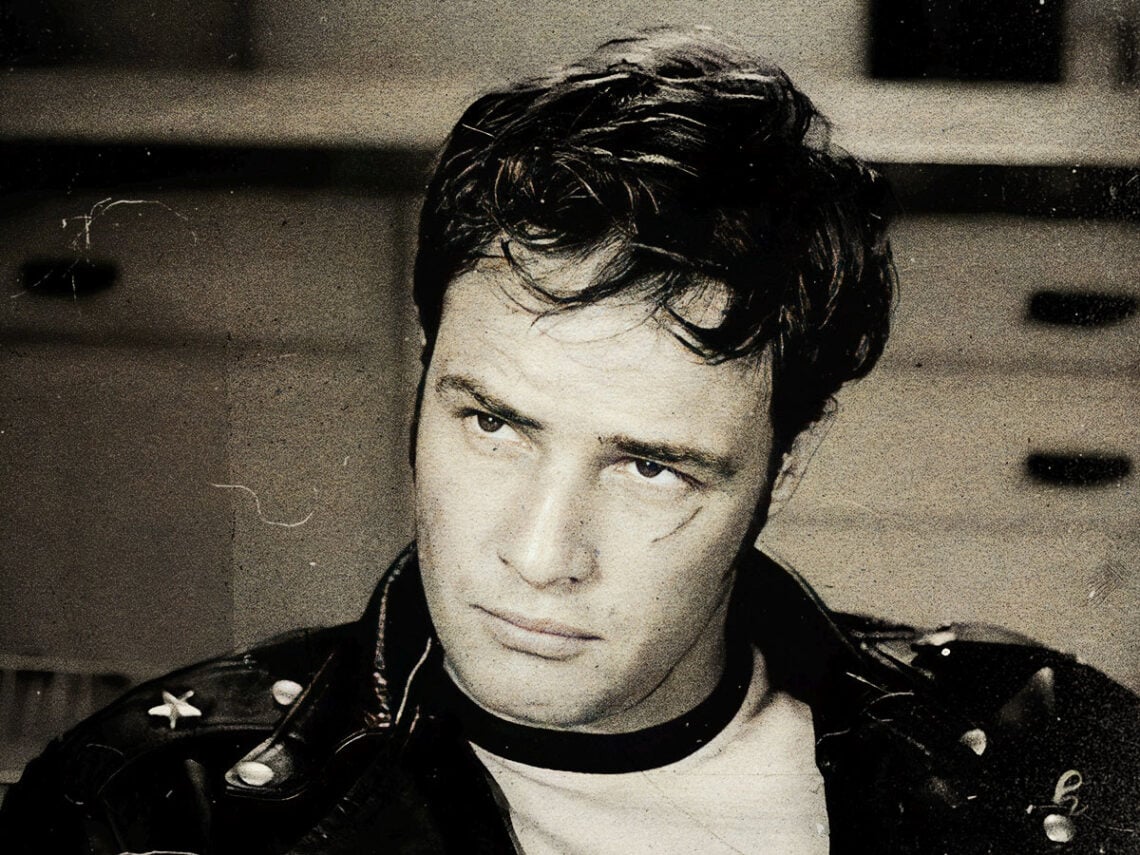
Kirk Douglas explains how Marlon Brando opened the door to “bad acting”

The history of Hollywood is full of chance encounters and lucky moments, with Matthew McConaughey meeting a casting agent in a bar and Jennifer Lawrence being scouted whilst on a family holiday, to name just two examples. Such moments, if they had gone differently, could have changed the industry as we know it, one thing that the actor Kirk Douglas knows all too well.
Collaborating with the likes of Stanley Kubrick, Richard Fleischer and John Sturges, Douglas was one of the greatest actors of the 20th century, lending his talents to such classic movies as Paths of Glory, Spartacus and Lust for Life. But, just like many actors of the time, Douglas’ career began on stage, where he was forced to contend for places with some of the best actors around.
One such play was Truckline Cafe by Maxwell Anderson, which Douglas auditioned for with confidence that he would earn the lead role. Yet, when he wasn’t awarded the part, he went to see the play in action to see who got it over him.
“I didn’t get the part, I went to see the opening night and I saw this guy on the stage with my part mumbling and mumbling,” he told Dick Cavett in an old interview. “I thought, ‘Oh my God, how much better I would be in that part’, and then finally, in the third act, he erupted and electrified the audience, and I looked in the program, ‘Who’s that guy?’, Marlon Brando. He was excellent”.
Indeed, although he lost out on the part, he adored Brando’s style at the time, adding: “That was his technique he would do almost nothing, nothing, nothing, nothing and suddenly explode, but he has ruined more actors because people try to imitate that style and they can’t”.
Yet, in contrast, Douglas is critical of how acting changed following his arrival on the scene. A notorious method actor, Brando would often command the set with his presence and larger-than-life personality. Indeed, the sheer number of stories regarding the actor’s antics is remarkable, but he also paved the way for the future of performance in general, with his 1972 performance in Francis Ford Coppola’s Godfather remaining seminal.
“He has ruined more actors because people try and imitate that style, but they can’t,” Douglas added, “He also opened the door to a lot of bad acting, because you’ve got those actors that go ‘Well, why should I go from here to there, I don’t feel like it doesn’t motivate me’…no, I think Marlon introduced more bad actors because they tried to imitate that which was very unique and original to him”.
Take a look at the full interview between Douglas and Cavett below.
