


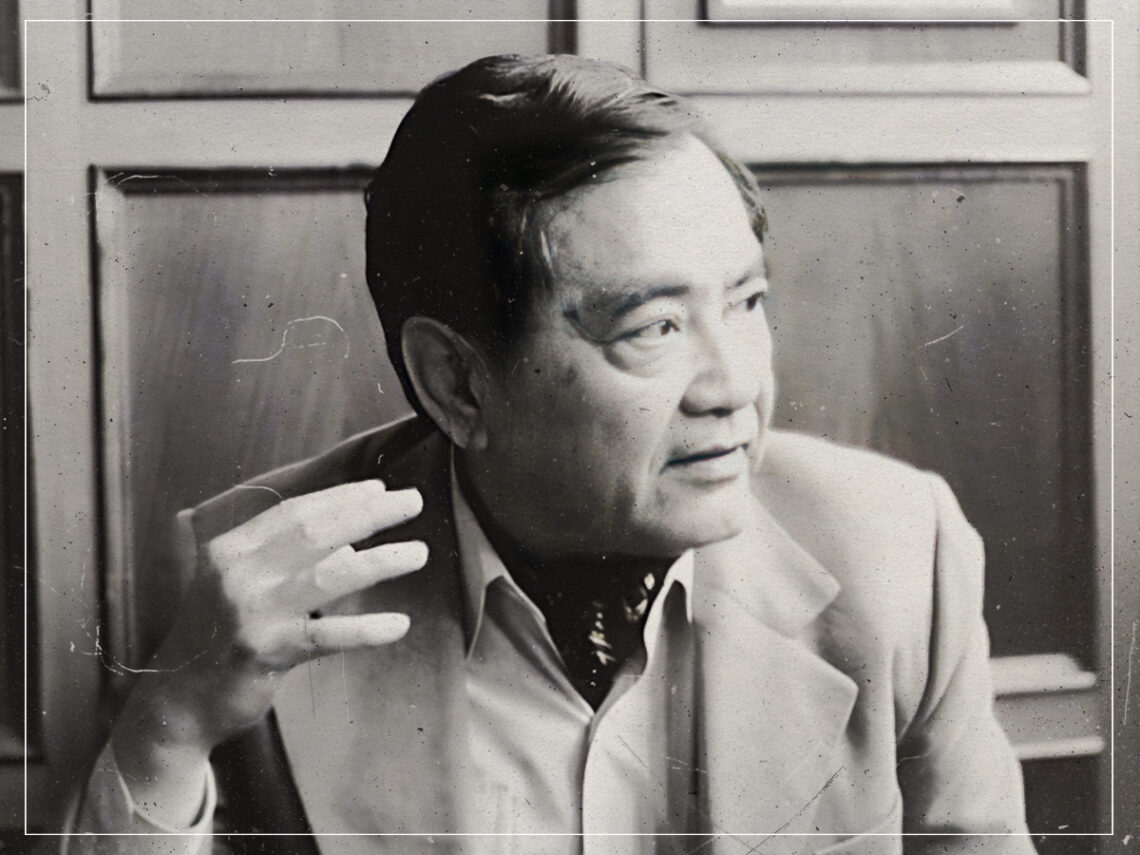
How King Hu changed action cinema forever

Fans of action films widely recognise the Chinese wuxia genre, which includes acclaimed movies like Crouching Tiger, Hidden Dragon and Hero, as the pinnacle of the genre. However, the on-screen history of wuxia, meaning martial chivalry, traces back to the 1960s, with one of its most influential figures being King Hu. As a Chinese director, Hu significantly impacted the future of action and martial arts cinema, shaping it into the beloved form we know today.
A genuinely important figure in the history of the hardest-hitting cinematic works, Hu made one of the most significant impressions on future auteurs like Ang Lee and Quentin Tarantino. He created a string of films now considered classics of the wuxia genre, like Come Drink with Me, Dragon Inn and A Touch of Zen.
Hu’s innovative approach to the medium of cinema can be seen in his careful attention to choreography. His meticulous visual language and his ability for narrative storytelling with a genuine focus on character development elevated Taiwanese and Hong Kong movies to a new level of glory.
Every step of Hu’s films seems to be carefully and perfectly considered, and his fight sequences remain some of the best in the history of action cinema. Clearly, Hu had a profound respect for the culture of martial arts itself and showed it to be a graceful and beautiful form of movement rather than a violent one. There’s a rhythm to these fight scenes where the distinction with a form of dance is barely distinguishable.
However, it was the fact that Hu believed in a sort of emotional resonance as well as impactful yet graceful fighting moments that separated him from his contemporaries. The journey of the character is of vital importance to any film. Hu believed that in giving his actors the opportunity to explore themes of honour and redemption, his works would be of higher artistic worth, and he was utterly right.
Not only were Hu’s characters skilled martial artists, but they were also complex human beings with emotions, dreams, hopes, fears, and nuanced inner lives. Throw into the fact that Hu particularly liked to weave in his Chan Buddhist philosophy and a focus on historical Chinese aesthetics, and it’s easy to see why he became such a revered figure within the action world, not only in Taiwan and Hong Kong but across the globe.
What’s more is that in the 1960s, when diversity was a serious issue in cinema, Hu’s movies gave Asian actors a platform to explore characters that were not merely one-dimensional stereotypes but complex individuals, thereby changing their overall perception. The consequences of this shift continue to ripple through today’s cinematic landscape.
Ang Lee of Crouching Tiger, Hidden Dragon and Zhang Yimou of House of Flying Daggers have both expressed their admiration for Hu and have admitted to being influenced by his films. It’s only too clear to see the kind of impression Hu left on Quentin Tarantino, as proven in his Kill Bill movies and their excellent martial arts sequences.
As modern directors continue to push the boundaries of action and martial arts cinema, Hu’s impact can still be felt, and his contributions are almost immeasurable. With an innovative approach to filmmaking, beautiful choreography, a deep commitment to nuanced and emotional storytelling and a championing of Asian acting talent, Hu is certainly one of the most important names in action cinema.
