


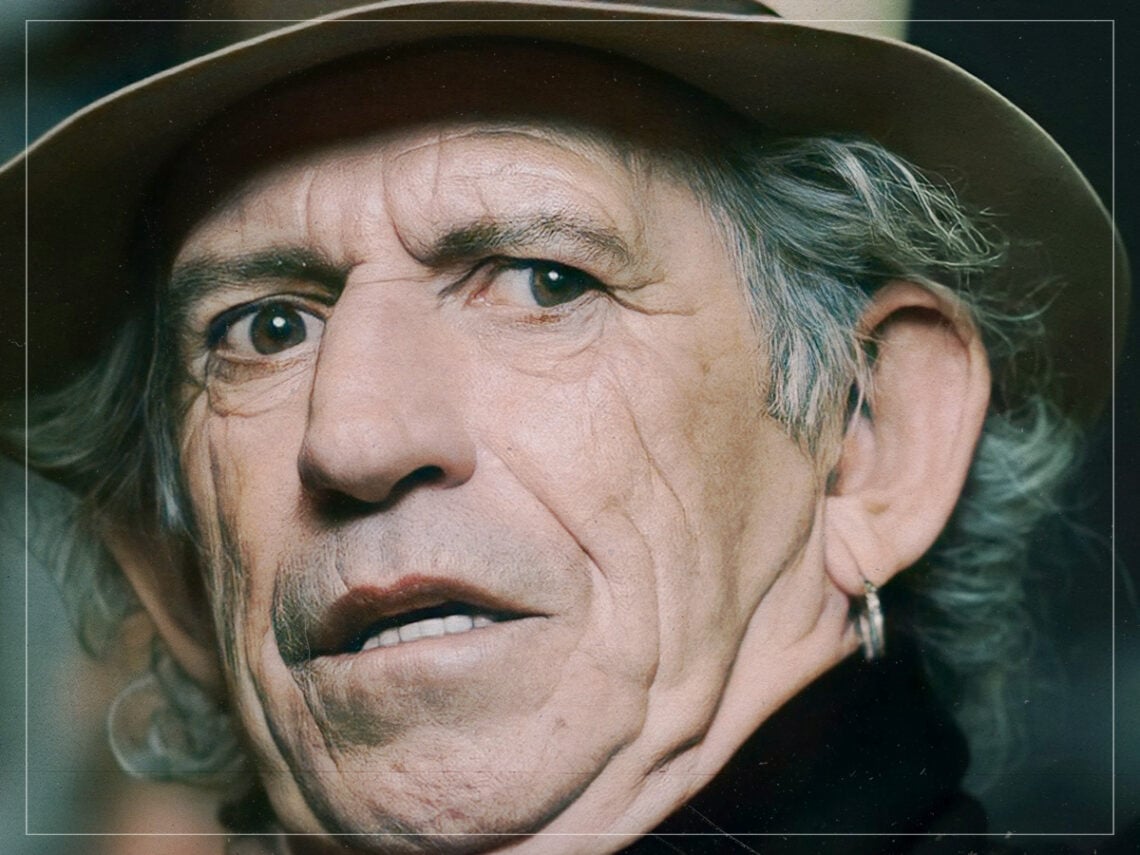
Keith Richards’ wicked one-liner when he caught his band watching The Beatles on TV

There’s no question that The Rolling Stones owe a certain debt to The Beatles.
They all did. The moment the Fab Four broke into ‘All My Loving’ on that iconic 1964 debut for The Ed Sullivan Show, the British invasion was set to dominate the American Billboard charts from then on, a whole generation of UK bands who’d cut their teeth on the US rock and roll and R&B songbook now ready to give their Stateside musical heroes a run for their money. While some would peter out soon enough, The Animals, The Dave Clark Five, The Kinks, Gerry and the Pacemakers, and Herman’s Hermits all followed the broken wall The Beatles had bulldozed to US fame.
By the end of the decade, the Stones were in the midst of their unassailable mythos, dropping a golden album run and scoring the counterculture with fierce essentiality, the likes of ‘Gimme Shelter’ and ‘Street Fighting Man’ burning with American fire as much as anything conjured from the politically charged West Coast. But back in 1964, the London outfit were dogged with the second fiddle tag, a band seemingly always stepping behind the ground broken by the Fab Four’s dizzying explosion.
It didn’t help that the John Lennon and Paul McCartney partnership slung them the throwaway Bo Diddley pastiche ‘I Wanna Be Your Man’, affording the Stones their first Top 20 hit from The Beatles’ lyrical pen. A keenly distinct character began to emerge before long, however. Aside from Their Satanic Majesties Request’s psychedelic wobble – by no means a terrible record, but certainly the sound of a band outside their comfort zone – a rawer blues stomp and fiercer crackle of danger always cloaked the Stones as the rougher counter to those loveable moptops, a reputation keenly stoked by their manager Andrew Loog Oldham.
Yet, back in those early days of Beatlemania, the Stones could still find them playing half-empty clubs. With ‘The Last Time’ first breaking them in the US top ten, but a month away from ‘(I Can’t Get No) Satisfaction’s Hot 100 chart topper, a show in New York’s Academy of Music on May 1st 1965 was filled with a lacklustre atmosphere at odds with their screaming fanbase, in large part due to the anticipation mainly aimed for local vocal group The Tokens who were acting as support. While many even left once the Stones took to the stage, one Waddy Wachtel stuck around to catch England’s newest hitmakers.
“The place was almost empty, and there’s the Stones coming out, starting with ‘Not Fade Away’,” Watchel recalled to Guitar Player. “It was so fantastic. It just took you away.”
A foundational spark must have been lit for the young high-school kid who’d played truant to catch that arresting headliner. Watchel would grow to stand as one of rock and pop’s most in-demand session guitarists, counting everybody from Bob Dylan, Randy Newman, Iggy Pop, Bryan Ferry, and Linda Ronstadt to his CV. A crossing of paths in the late 1970s would help foster a friendship between him and Keith Richards, leading to the invitation years later to form part of Richards’ X-Pensive Winos solo backing band.

It was during the sessions for 1992’s Main Offender that the echoes of the British Invasion’s past reared its head. Holed up in San Rafael’s The Site studio in California, Watchell sat in the co-producer’s chair, a recording break in the living room prompted Richards to emerge from his upstairs lodgings after hearing the sound of The Beatles on TV, a slice of archive of their playing to the frenzied hysteria typical of their Shea Stadium heyday.
“Done that,” came Richards’ pithy response. “Steve [Jordan, drummer] and I looked at each other and went, ‘Yeah, right. It’s that guy,’” Watchel remembered.
He certainly was. With perfect ‘Keef’ character, such a quip drips in simultaneous good nature and coy acerbicism, one that could just easily straddle the empathy with all the trappings and pressures that come with such rock and pop stardom, as well as a wry reminder that, despite the years of supposed trailing behind the Fab Four’s chartered course, the Stones reached gold in due time as well as any of the British Invasion. By the decade’s end and into the 1970s, there was no argument who stood as rock and roll’s greatest band.

Never Miss A Beat
The Far Out Beatles Newsletter
All the latest stories about The Beatles from the independent voice of culture.
Straight to your inbox.