


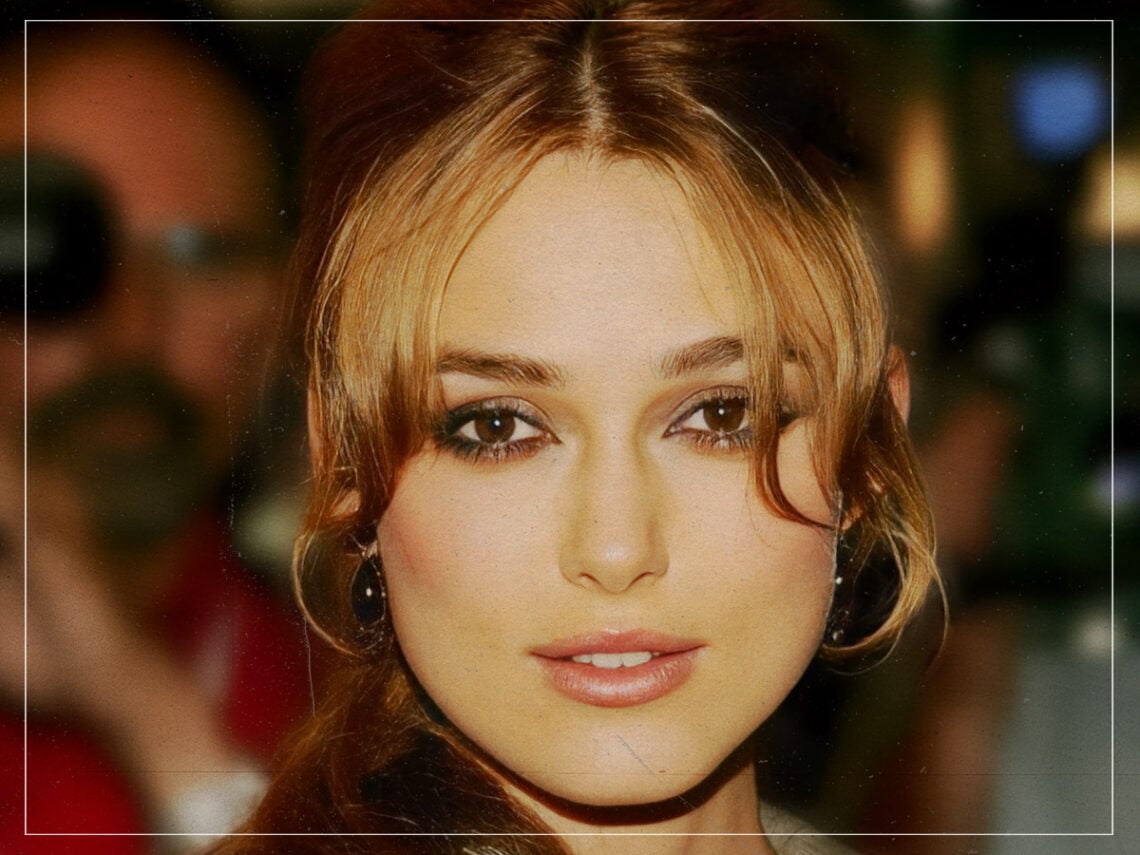
Keira Knightley names the most conflicting role of her career: “A very confused place in my head”

If you ask any person in the public eye about their relationship to fame, they will probably have a complicated answer. In many ways, the scrutiny and harassment that celebrities deal with is a strangely normalised form of abuse, with people having their right to privacy and personal lives breached by photographers, journalists and fans.
However, this historically has not been an even playing field, with women and people of colour experiencing this in a heightened way and subjected to intense judgement over each and every decision. When exposed to this from a young age it can be particularly damaging, which is something that Keira Knightley is all too familiar with after being launched into stardom from the age of 17.
Many actors, from Emma Watson to Elijah Woods, have described the jarring experience of starring in a studio franchise movie as a young person. After making her name through the Pirates of the Caribbean series at such a young age, Knightley began a fraught relationship with fame and celebrity.
Pirates of the Caribbean remains one of the most successful action franchises of all time, grossing over $4.5 billion worldwide and becoming definitive roles within the careers of the entire cast. However, Knightley holds conflicted memories over filming the series, describing how the time was emotionally fraught for her due to both being given more opportunities as a result of the series while simultaneously being ridiculed by the public for her performance.
When asked about her feelings on this after some time, Knightley said, “I was seen as shit because of them, and yet because they did so well I was given the opportunity to do the films that I ended up getting Oscar nominations for [Pride & Prejudice and The Imitation Game],” the Bend It Like Beckham star said. “They were the most successful films I’ll ever be a part of and they were the reason that I was taken down publicly. So they’re a very confused place in my head.”
This is understandably a conflicted state of mind to be in, because it is hard to feel proud of something that caused you pain or distress, and at the time, there were countless headlines about Knightley’s appearance as well as her character in the films. As history as previously shown us, women in the public eye just cannot do anything right, and nearly anything could be a spark for bullying or ridicule.
When asked about the impact of these experiences now and how she’s since reflected on it, Knightley said, “There’s been a complete delete, and then some things will come up and I’ll suddenly have a very bodily memory of it because, ultimately, it’s public shaming, isn’t it? It’s obviously part of my psyche, given how young I was when it happened. I’ve been made around it.”
Unfortunately, it feels as though we rarely make any tangible progress with the way we treat people in the public eye, with new celebrities like Chappell Roan describing the onslaught of stalking and online abuse she was subjected to after the unprecedented success of her most recent album and sudden escalation to fame. If we can learn anything from countless stories like this, it should be that regardless of fame and power, all people deserve the right to a private life and to be treated with respect.
