


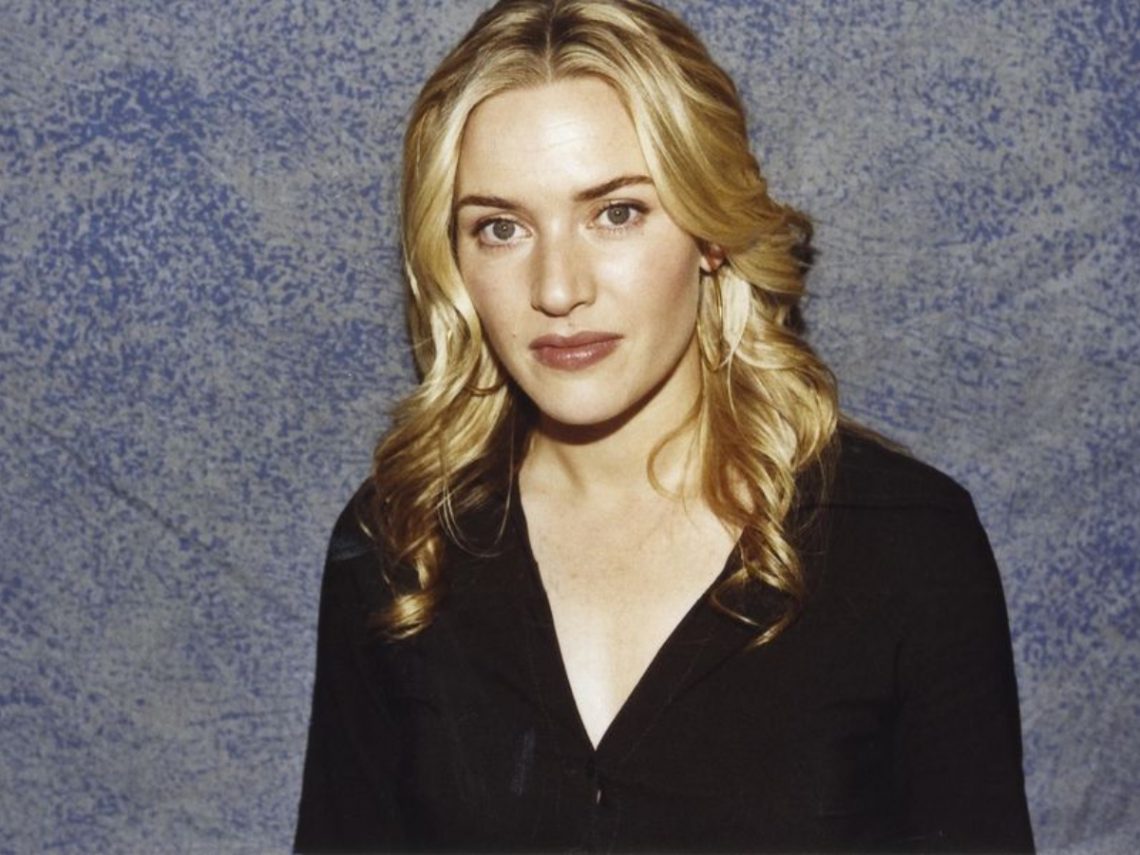
Two for the price of one: Kate Winslet’s remarkable Oscars record

There was a period in the late aughts and early 2010s when it seemed like Kate Winslet was getting nominated for absolutely everything. The general consensus was that she was a generational talent, the new Meryl Streep. This was slightly complicated by the fact that people always seemed to get her mixed up with Cate Blanchett, who was going through a similar career trajectory at exactly the same time.
As far as awards go, Blanchett outstrips Winslet in both the number of Oscar nominations (eight to Winslet’s seven) and the number of actual wins (two to Winslet’s one). However, there is one metric where Winslet takes the w. Not only does she best Blanchett in this regard, but every other person on planet Earth. Since the beginning of the Oscars, only Winslet has earned multiple nominations for characters that received two nominations for the same movie.
If that sounds a bit confusing, let’s get into specifics. In 1998, Winslet was nominated for ‘Best Actress’ for her iconic role of Rose Dewitt Bukater in a little movie called Titanic. Part of that movie’s sweep of the Oscars was a ‘Best Supporting Actress’ nomination for Gloria Stuart, who played the older version of Rose in the film. Four years later, Winslet earned a nomination for ‘Best Supporting Actress’ for playing the novelist Iris Murdoch in the film Iris. Judi Dench, who played the older version of Murdoch in the film, was nominated for ‘Best Actress.’
Like many British stars of the era, Winslet turned period dramas into something of a speciality. Keira Knightley was also in the middle of the period drama portion of her career, but it was Winslet who had cornered the awards market. In fact, five out of her seven Oscar nominations were for period movies. In this light, she is exactly the person who you’d expect to have earned this very niche record, though it shouldn’t diminish her accomplishment, especially since it is unlikely to ever be beaten.
These days, with de-ageing technology becoming all the rage, it’s easy to imagine a future in which only one actor is cast to play a character during different parts of their life. Robert De Niro and Martin Scorsese were at the forefront of this effort with The Irishman, but since then, Harrison Ford and James Mangold have tried their hand at it in Indiana Jones and the Dial of Destiny, and Tom Hanks and Robert Zemeckis have attempted to do the same with Here.
The elephant in the room is that these have all been noticeably bad examples. The technology is extremely expensive, and the results are distractingly transparent. People move differently in their eighties compared to their twenties, and the unnaturally smooth skin on the de-aged versions is downright uncanny. It’s worth noting that none of these performances earned their actors an Oscar nomination, which is actually pretty impressive considering that De Niro was practically the only thing in The Irishman that did not get a nod from the Academy.
It’s fair to assume that the technology will catch up pretty soon, and there will almost certainly be a new cottage industry that springs up in which personal trainers specialise in teaching octogenarians to move like twentysomethings. In the meantime, though, it’s hard not to appreciate films that go in the opposite direction and simply allow two actors to demonstrate what truly great acting is. After all, everyone evolves as they age, and masterful actors like Winslet and Dench can capture the soulful essence of the same person without trying to be doppelgängers.
