


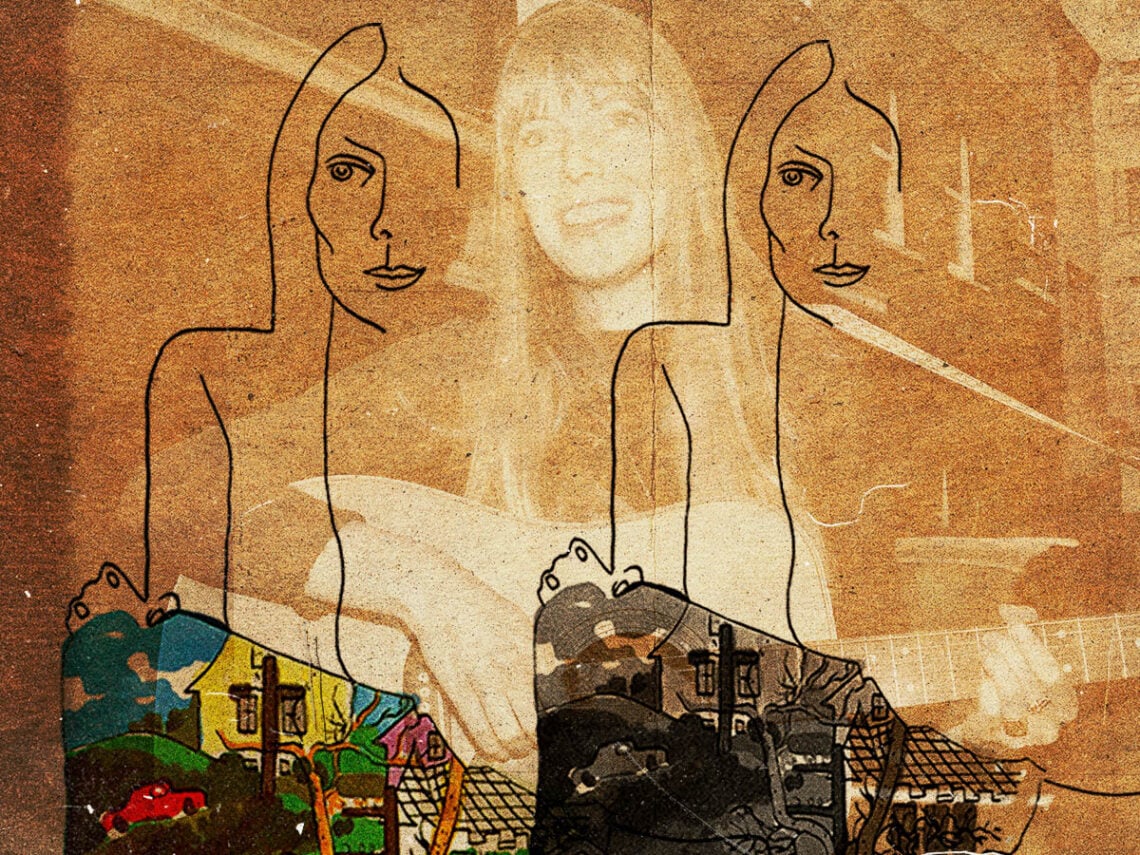
Joni Mitchell – ‘Ladies of the Canyon’

Few artists have managed to embody such a specific moment in time quite like Joni Mitchell. Emerging from the Californian folk scene during the 1960s, Mitchell quickly became one of the most influential artists of her generation. Her third studio album, Ladies of the Canyon, released in 1970, demonstrates her immense skills for intricately crafting lucid stories and images, bringing the landscapes and people around her to life.
Ladies of the Canyon isn’t a grandiose album in terms of its instrumentation. Mitchell allows her acoustic guitar or the keys of a gentle piano to back each track, although it’s her rich voice that takes prominence. She weaves between meditative reflections on life, love and calls to environmental action, urging listeners not to remain complacent. The record feels innately personal, with the undulating melodies of Mitchell’s voice whirling their way around the listener’s head in unforgettable movements.
Mitchell’s talent for crafting story-book imagery begins on ‘Morning Morgantown’, which pieces together scenes of everyday life with the vivacity of a watercolour painting. By immortalising the mundane and weaving it into something extraordinary, Mitchell’s guitar-led track becomes a pure joy to listen to. Lines as simple as “we’ll find a table in the shade/ And sip our tea and lemonade” evoke a late summer afternoon where nothing in the world feels all that bad.
Next comes ‘For Free’, where Mitchell reflects on her newfound fame, a topic well-loved among many folk artists. The singer relays a tale of watching a man singing on the street, noting that “though he played so sweet and high/ They knew he had never been on their TV/ So they passed his music by”. A standout moment comes when Mitchell allows her voice to melt into the clarinet that plays out the track, bearing her jazz influences.
Mitchell never loses sight of those around her, and her love for others is spellbindingly apparent. On ‘Ladies of the Canyon’, she describes some of her friends in close detail, such as Trina Robbins, who “fills her drawing book with lines” and Annie Burden, who “bakes her cakes and her breads and she gathers flowers for her home”. It’s a heartwarming song, aided by layered “la la la” refrains that evoke a communal feel.
Mitchell uses her voice powerfully, allowing it to break and waver freely, communicating admirable passion for her subjects and adding another layer of relatability and realism to her songs. Her voice is often used like a weapon, piercing through the rhythms with urgency, demanding listeners to do something about their lives. On ‘The Arrangement’, Mitchell desperately insists that “while you still have the time you could get away and find/ A better life, you know the grind is so ungrateful”.
Mitchell’s desire to protect the earth and nurture a planet that offers us so many beautiful opportunities and experiences is evident. On the singalong hit ‘Big Yellow Taxi’, Mitchell describes a concrete jungle – one where “they paved paradise, put up a parking lot”. The upbeat track is a joyous call to arms, warning listeners of the dangers of letting our world turn grey and vapid.
Similarly, ‘Woodstock’ continues these themes, with Mitchell celebrating nature and community: “I have come here to lose the smog/ And I feel to be a cog/ In something turning”. Her words illuminate a seminal moment in music history, commemorating a time of shared love and resistance by highlighting the necessity of connection, “We are stardust/ We are golden/ And we got to get ourselves/ Back to the garden.”
Ladies of the Canyon ends on the immensely powerful ‘The Circle Game’, where male backing vocals aid Mitchell’s gentle meditations on the passage of time. There is bittersweetness in the way that Mitchell highlights that we cannot stop time from moving forward, and we can never go back. Yet, her gorgeous delivery has an infectious quality that inspires determination rather than defeat.
Mitchell’s third record is simply magnificent, influencing listeners to appreciate the world around them. However, she also makes powerful statements on the complexities of love, such as in the Graham Nash-inspired ‘Willy’ and the heartbreaking ‘Blue Boy’. From beginning to end, Mitchell proves to be a master of the folk genre, telling honest and vivid stories with a luminous voice.
