



How Joni Mitchell’s house saved American music

‘Joni Mitchell: saviour of American music’ sounds quite the heroistic title. In many ways, it’s not all that inaccurate, either.
Of course, it would inevitably be something that the singer would also lambast and reject. You’ve got to remember that she hates being called confessional, or being compared to literary giants, or having anything to do with anyone else, really – the whole point is that the entire axis of her career has spun on the principle of doing things her way.
So when she was romantically involved with all three of Crosby, Stills, and Nash? It was all part of the lore. When did she emphatically remove her music from Spotify? It was taking a stand. And when she upped sticks from Canada to the hope and promise of Los Angeles in the late 1960s? It was all part of the plan.
While obviously, her years in California were ones that proved pivotal to the course of her career, it wasn’t just the vastness of the landscape as a whole where Mitchell found inspiration. Even through the thronging bustle of the city, there were little pockets of inspiration in every tiny corner – and particularly in her own home.
It was clearly a place Mitchell felt drawn to in her nature, as she’s previously read in a book: “Ask anyone in Los Angeles where the craziest people live, and they’ll tell you Hollywood. Ask anyone in Hollywood where the craziest people live, and they’ll say Laurel Canyon. And ask anyone in Laurel Canyon where the craziest people live, and they’ll say Lookout Mountain.”
So her simple resolution? “I bought a house on Lookout Mountain.”
That home, complete wall to wall with instruments, antiques, and stained windows, was not just quaint but a hotbed of inspiration. It was where she shared her life at that time with Graham Nash and wrote her seminal album Ladies of the Canyon. But it was the guests who also regularly inhabited that house that made it truly special.

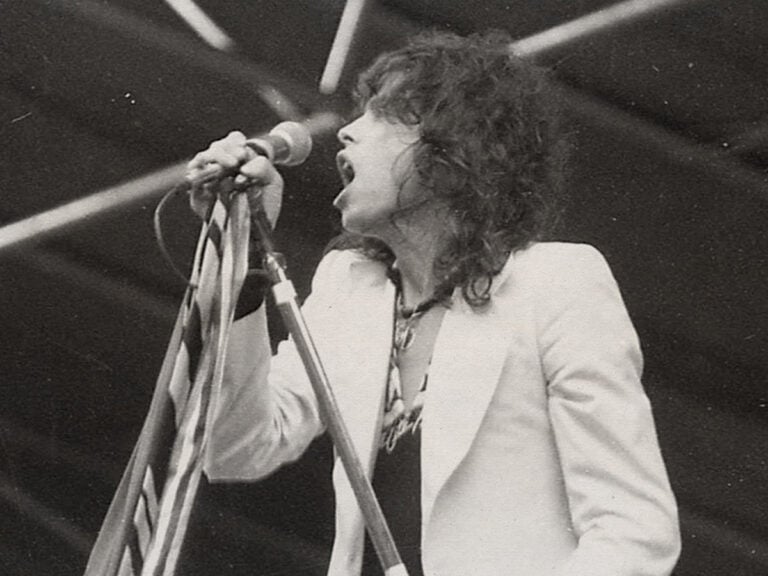
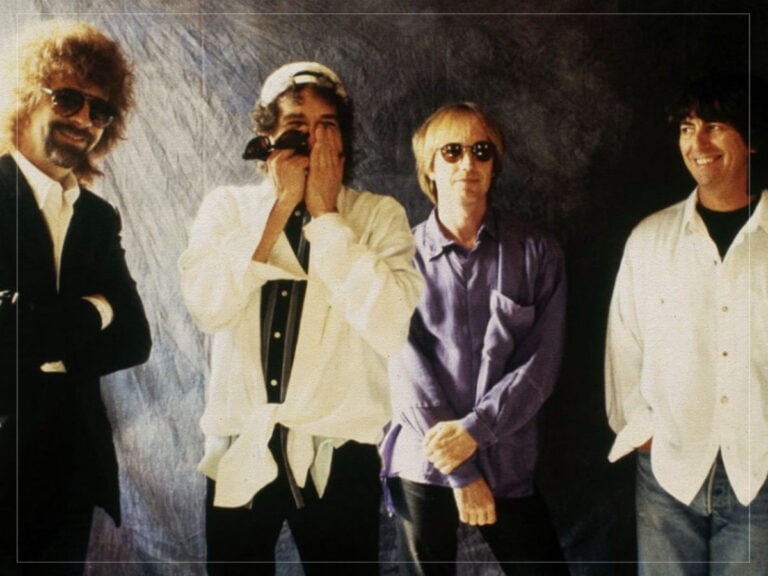
From the rest of the CSN gang to Cass Elliot, Judee Sill, Richie Furay, and Glenn Frey, the music created there was as legendary as the nights themselves, when they would all sit around singing, drinking, and passing joints. It was a time that changed – and saved – the musical landscape from teetering off the edge of obscurity.
It was that Laurel Canyon boldness that allowed music to transition from a place of folk ethereality to a fully-fledged pop force, not least in the songs that Mitchell herself created, such as ‘Big Yellow Taxi’. No longer were they small-club wallflowers, but truly powerful pioneers of a new sonic direction.
Naturally, it has never been in the singer’s nature to take all the credit for this. But whether it was her craziness, her home in the mountains, her romance with Nash, or any number of their friends, something changed in those years. You just had to travel to the real heart of California to find it.
