


‘The Zone of Interest’ movie review: Jonathan Glazer portrays Auschwitz’s banality of evil with a desperate flourish

Acclaimed British director Jonathan Glazer has adapted the late Martin Amis’ 2014 historical fiction novel, The Zone of Interest, for the screen. It tells the story of the Auschwitz commandant Rudolf Höss, his family and their seemingly idyllic life just a stone’s throw from the infamous Polish concentration camp.
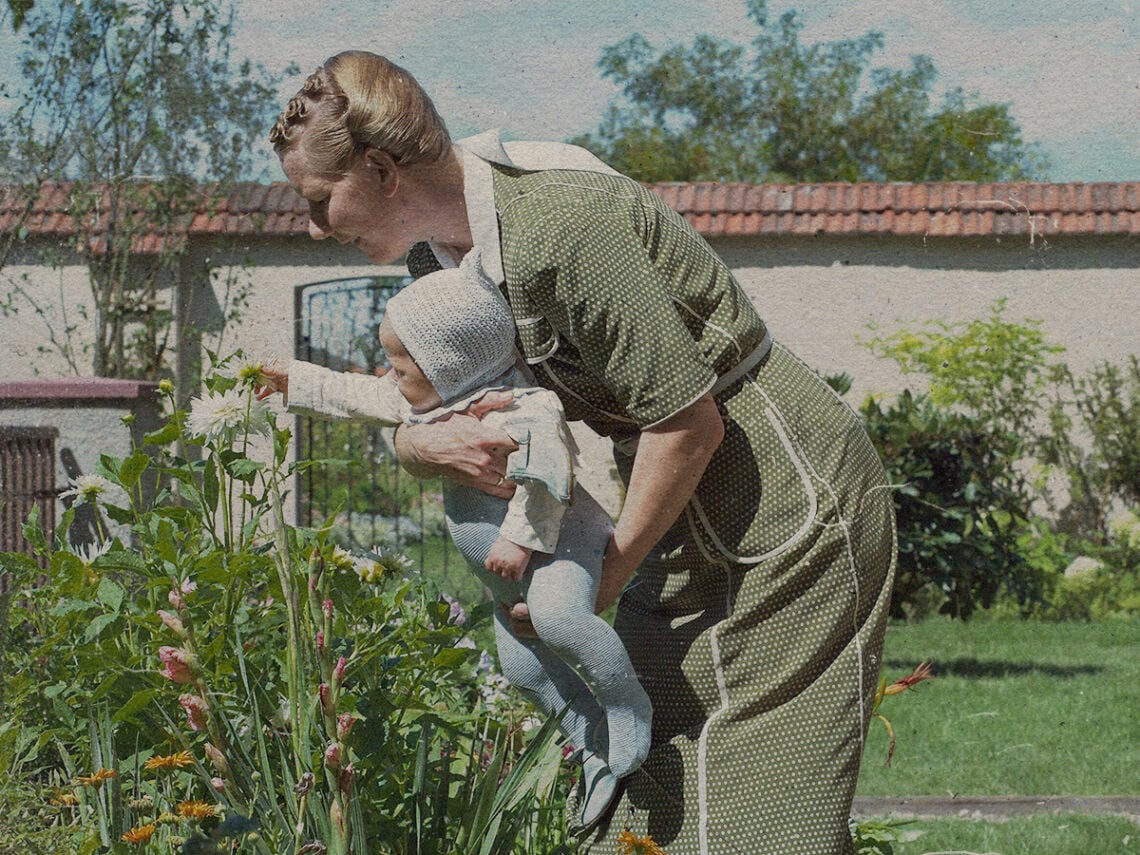
Höss, celebrating his birthday with joy, takes his children swimming in the nearby river, but when he finds Jewish remains in the water, he demands his offspring be scrubbed of the black soot that coats their bodies as though cleansing them of his own shocking crimes. Meanwhile, his wife Hedwig tends to her “paradise garden” surrounded with barbed wire, gossips with her fellow Nazi wives and thoroughly enjoys her position as the “Queen of Auschwitz” without a hint of remorse.
The Zone of Interest is a painful examination of the way Nazi families affectlessly ignored the atrocities that were going on around them, in the case of the Hösses, within earshot of the screams and cries that penetrated the Auschwitz air through day and night. There’s almost always a constant rumble of gunfire and hum of machinery and gas chamber workings to feign obliviousness underneath the Höss household, but Glazer keeps the visual barbarity of the camp persistently out of view.
There’s rarely a moment of regret or self-reflection in the Höss family, too, save for Hedwig’s mother suddenly thinking of a kind Jewish lady she once worked for as she looks out the window at flames leaping out the camp’s chimney against the ever-darkening skies. Then there’s just a momentary glimpse of subconscious doubt as Höss wretches shortly after being given a promotion in the SS and is afforded a chronology-piercing glimpse into the museum and historical and cultural artefact that Auschwitz will become as part of his undoubted doing.
But it’s Hedwig who seemingly has the slightest remorse, and Glazer hones in on her beloved flowers, fruits, and vegetables with more screams, shouts, and barking dogs. In fact, when Höss is relocated to Berlin as part of a promotion, Hedwig would rather stay in Auschwitz and let her husband go on without her and their children than give up the dream life that the Führer has promised them and, so far, delivered on.
There are several artistic flourishes from Glazer, the most notable being a fade to a vivid red over which Mica Levi’s gloriously intense score (arguably the best part of the film) twists and pulses for a moment or scenes in which Höss’ daughter sneaks into Auschwitz to leave apples for the prisoners delivered in a night-vision negative black-and-white style. But these appear as after-thoughts, perhaps added in a desperate attempt to make a film lacking in action feel edgier.
And those flashes of creativity seem to be present as though Glazer knows that there’s not an awful lot of substance to his film’s initial premise – namely, that Nazi families lived with their conscious and moral heads buried in the sand while millions of Jews were slaughtered in front of their very eyes, or at least within earshot. Without any set piece or genuine moments of emotion from the Hösses, Christian Fridel (Höss) and Sandra Hüller (Hedwig) are unable to shine beyond their expected station despite commendably portraying their respective characters with ethical ambivalence.
The Zone of Interest is naturally shocking and atrocious; there’s no denying that, but there seems to be something missing: a confident and forthright moral stance on such horrific events. Perhaps that omission of steadfast conviction, though, is intended to show that there is no credible reason for what happened at Auschwitz nor the ignorance of those who allowed it to occur. Still, Glazer seems to hesitate to believe in the strength of his story alone.
The effect is, as could perhaps be expected, one of complete and utter emptiness; there’s no attrition for wrong-doers, just the admission that what happened beyond Hedwig’s “paradise garden” would simultaneously become a stack of old shoes behind a glass cabinet for minimum-wage cleaners to ignore at the Auschwitz museum and a constant reminder of the sickening banality of evil. Glazer’s most recent film is admittedly important, but it lacks the conviction to be his best.
