


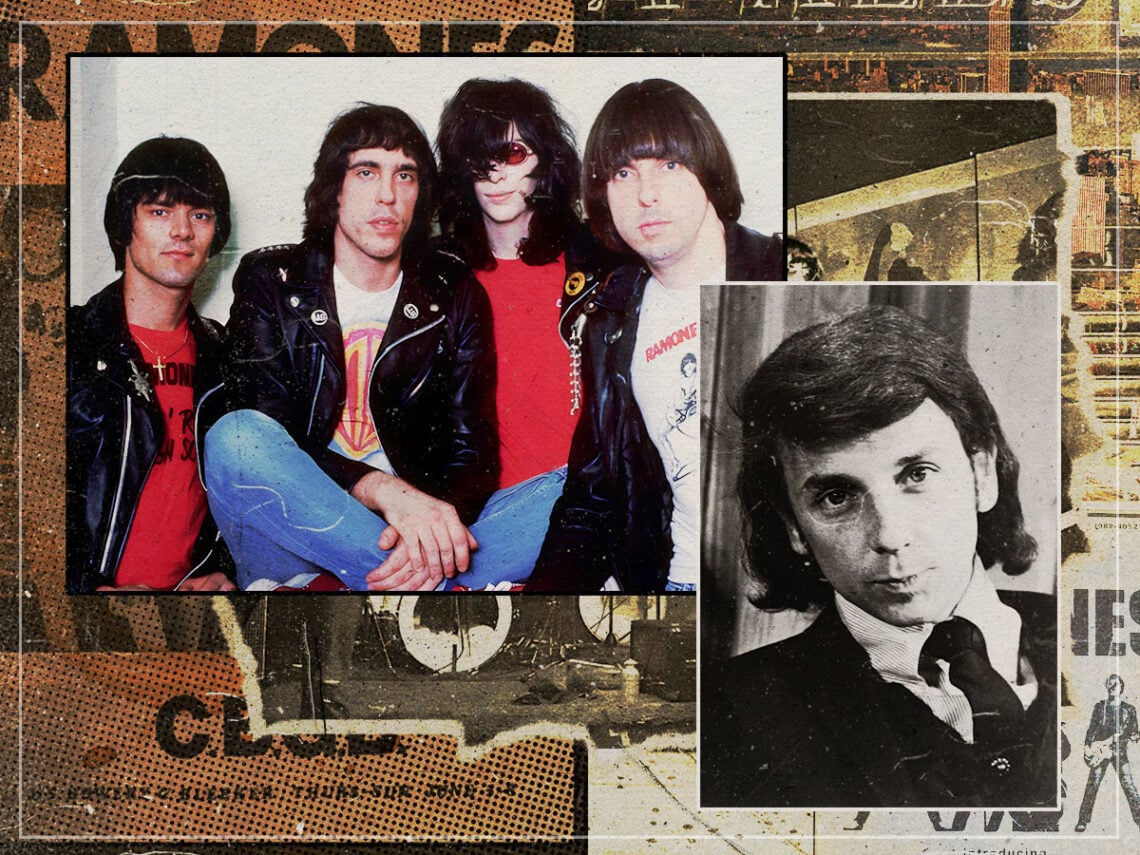
“Like the Chinese water torture”: Why Johnny Ramone always hated Phil Spector

Phil Spector was not an easy man to work with. Artists who hired him often had a moment of regret, usually when he handed over page after page of notes, or a finished album that sounded nothing like their vision but exactly like his signature wall of sound. That wall was built carefully, brick by brick. So when the Ramones, known for destruction and DIY punk energy, teamed up with Spector, it’s no surprise the two camps didn’t mesh.
The reason as to why they happened to come together is typical. Here were the Ramones, a raging and radical act leading the way for punk in the US. They had New York captured from their first show, and with the release of the debut and first few albums, they extended that grip around the whole world, too.
As so often happens, they were deemed the next big thing and swiftly smothered by pressure and expectations. While Sire Records had been with them since the start, it seemed impossible for industry heads to resist the allure of wanting more. They wanted the Ramones to be bigger and sell better. They wanted them to be a commercial success, not just a cultural phenomenon. So, a big name was brought in.
At the same time, Spector had begun paying attention to the band. He’d seen them in Rock ‘n’ Roll High School and had fallen for the group’s image and attitude like everyone else had. The issue would come in the same form here as it did with so many other Spector collaborations, though – Spector wanted to work with them, but would he adapt to them? No.
The project at hand was End of the Century, the Ramones’ 1980 fifth album. The energy was off immediately, as despite being a New York band through and through, Spector made them decamp to Los Angeles as the first sign that compromise wouldn’t quite work here.
I don’t really have to explain, do I? On one side, you have the Ramones, famous for their chaos and wild energy, known for a frantic sound and DIY ethos that favoured excitement and atmosphere over technical precision. On the other, you’ve got Spector, a man who prided himself on the exact opposite. His signature wall of sound was built on intricacy and obsession. The clash was inevitable: the Ramones were a one-and-done kind of band, while Spector wanted endless takes—repeat it if something was off, repeat it again for good measure, and then again just because.
One rumour goes that at some point during the recording, Spector got so frustrated with the band’s unwillingness or moody attitude towards his process that he held Dee Dee Ramone at gunpoint, forcing the guitarist to play a riff repeatedly.
But even if it didn’t actually blow up into a real threat, it felt violent anyway to the band. After the fact, with some hindsight on the mistake made by trying to make two opposing forces work together, an executive from Sire admitted, “To Johnny, this must have been like the Chinese water torture.” Similar to the form of torture done by merely repeatedly dripping drops of water on a person’s head until they go insane, the monotony that the band felt Spector’s process demanded felt the same.
It was worth it, but it wasn’t. The album became the band’s best-selling, but also the one they liked leas,t as Johnny Ramone essentially disowned the album, stating, “End of the Century was just watered-down Ramones. It’s not the real Ramones.”
