


John Lennon vs Richard Nixon: Why was Lennon nearly deported?

It’s now 50 years since John Lennon nearly found himself deported from the USA, persecuted by President Richard Nixon’s paranoid administration amid a political maelstrom of left protest and organising.
Lennon hadn’t endeared himself to the authorities. While much of his revolutionary rhetoric could border on asinine or ill-thought-out, mushy statements on Maoism and banal takes on The Troubles for ‘The Luck of the Irish’, and plenty of retrospective cynicism has been heaped on the former Beatle for his fervent peace advocacy in public that hadn’t translated in his private sphere, Lennon plus wife and muse Yoko Ono did indeed surround themselves with some of the countercultural era’s most radical operators.
Whatever the occasional lapses in bourgeois activism, Lennon had pursued a level of anti-establishment stature that hadn’t been seen from an artist with such mainstream presence. Earnest political fancies were already whirring away by The Beatles’ slow close, Lennon dropping the populist ‘Give Peace a Chance’ rouser with the new Plastic Ono Band and staging his famous ‘bed-in’ protest several months before the official departure from his former band in 1969.
Reaching number two on the UK singles charts and swiftly becoming one of the key anthems sung by Vietnam War protestors at that year’s massive demonstration in Washington, DC, the “War Is Over! If You Want It” billboard campaign began to sprout across cities around the world from London to Tokyo.
Moving to New York City in 1971, Lennon and Ono were handsomely funding union strikes, befriending members of the Chicago Seven, playing benefit shows for White Panther Party founder John Sinclair, and even making soft allusions to supporting the Irish Republican Army’s campaign against the UK in the aftermath of the Bloody Sunday massacre.
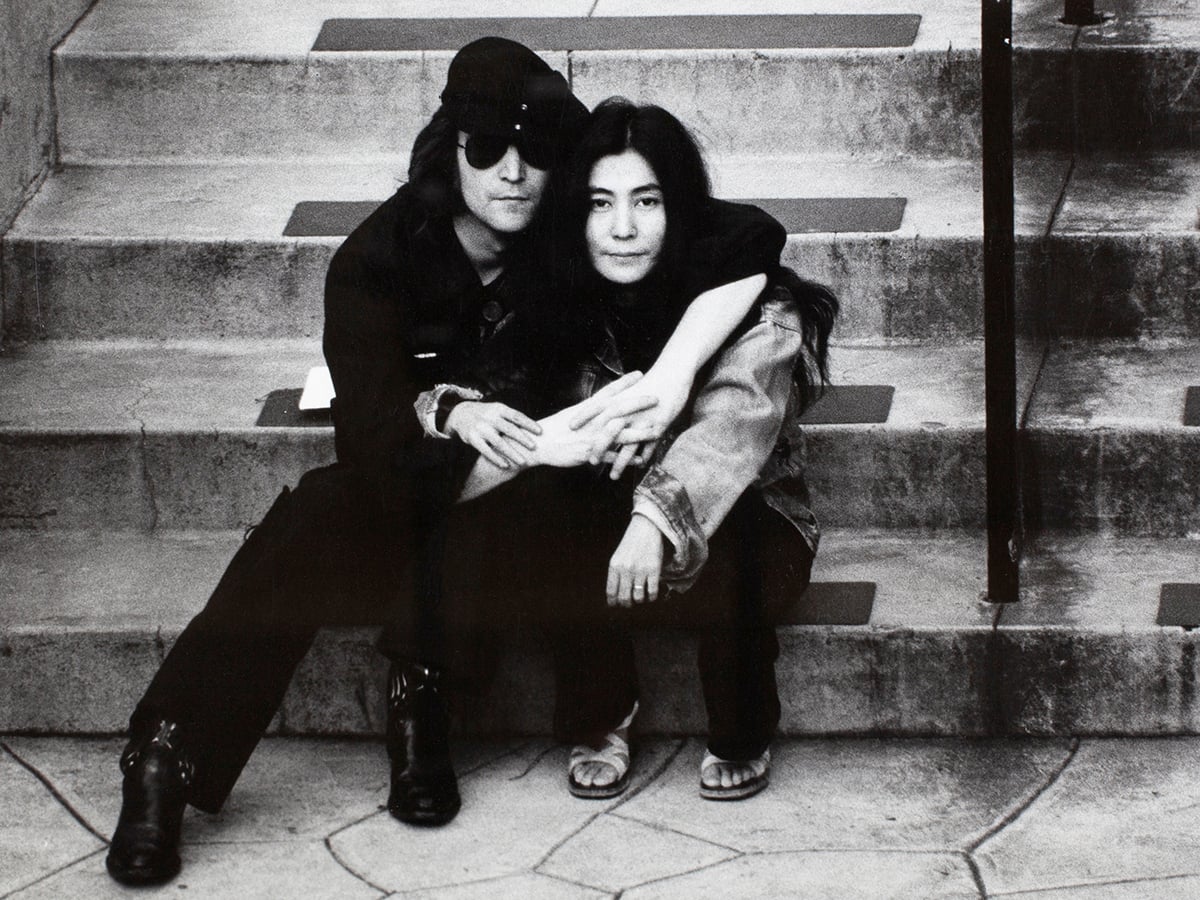
Such statements had not gone unnoticed. Following the festive ‘Happy Xmas (War Is Over)’ riding a respectable number 38 on the Billboard Hot 100, anxieties were head at the very heart of the country’s executive, Nixon worried that the shift in popular mood at the hands of Lennon’s pop galvanise could scupper his 1972 re-election bid. Before long, the state dug up a minor drug misdemeanour from four years previously, a conviction for marijuana possession back in London, as grounds for deportation proceedings.
So began three-odd years of legal wrangling and dispute with the US state. Despite Ono being granted permanent residence, Lennon resorted to all kinds of public stunts to foster support, from co-hosting The Mike Douglas Show for a week, forming the fictitious province of “Nutopia” as a satire on passports and borders, and folk troubadour Bob Dylan even writing a personal letter to the Immigration and Naturalization Service imploring their stay.
Pretty quickly, the Nixon regime unravelled in political scandal. Once his administration’s illegal efforts to glean information from DC’s Democratic National Committee headquarters in the Watergate affair were uncovered, any such clout in Lennon’s deportation swiftly lost momentum. Resigning 14 months later in December 1974, presidential successor Gerald Ford showed less care or inclination about Lennon’s political thorn in the state’s side, with deportation plans overturned for good on October 8th, 1975. The following year, Lennon received his official green card, remaining a New Yorker for the rest of his life.
Shortly after Lennon’s assassination in 1980, Freedom of Information Act requests were made to access FBI files collated on the former Beatle. After 14 years of appeals and legal hassles, historian Jon Wiener eventually got his hands on the intelligence, including everything from White House memos, transcripts of Lennon’s TV appearances, and mooted ruses of orchestrating public arrest on drug charges. Such surveillance efforts even pulled in infamous FBI boss J Edgar Hoover, sending a memo to Chief of Staff HR Haldeman raising concerns over the former Beatle’s “extreme left-wing activities in Britain”.
Lennon’s political bite would ebb in the end. Middle age approached, his five-year hiatus from music raising son Sean tempered former radicalism, and 1980’s Double Fantasy possessed little of the left edge that had charged his work a decade earlier. But his near deportation remains a cautionary tale of US political overreach, resurfacing with extra pertinence as the American state once again becomes bitten by a McCarthyite frenzy, as was played out in grim fashion over President Donald Trump’s tantrummy threats to Bruce Springsteen after The Boss’ public critiquing of the administration’s perceived “corrupt, incompetent and treasonous” undermine of democratic principles.
