


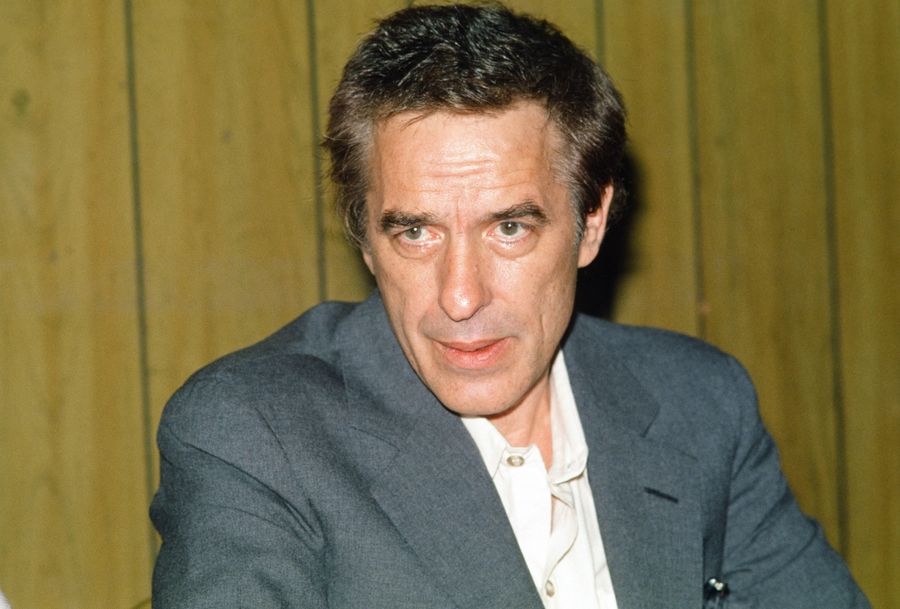
John Cassavetes on why cinematic emotion is more important than production

With an innovative approach that defined independent American filmmaking, John Cassavetes established himself as a true pioneer of the cinematic medium. Preferring a deep and honest emotional authenticity over typical narrative methods, Cassavetes’ films look deep into the theme of human connection.
In the likes of Opening Night, A Woman Under the Influence and The Killing of a Chinese Bookie, Cassavetes weaved tales of everyday people in the midst of emotional crises with a directing style that allowed his actors to improvise and to access something deep within themselves, thereby shedding light of their respective characters’ inner turmoil.
Eschewing the constraints of the studios and rejecting big budgets, the director and actor’s commitment to his personal artistic belief led to some of the most remarkable pieces of American cinema the world will ever know, and they all came about as a result of a focus on emotion rather than technicality, as he once explained.
“People who are making films today are too concerned with mechanics–technical things instead of feeling,” Cassavetes had said on the set of A Woman Under the Influence. “Execution is about eight per cent to me. The technical quality of a film doesn’t have much to do with whether it’s a good film.”
He continued, “I feel like vomiting when some director says to me, ‘I got the most gorgeous shot today.’ That is not what’s important. We have to move beyond the current obsession with technique or angles. It’s a waste of time. A movie is a lot more than a series of shots.’”
Indeed, it’s fair to say that while Cassavetes’s films are not poor efforts in terms of production by any means, they seem to lean much further into the kind of emotional storytelling that makes them so intense. The director clearly favours drama over any other aspect of a film, which essentially makes them on-screen plays.
Perhaps that comes down to the fact that Cassavetes himself was also an actor and had a deep understanding of the importance of human chemistry. Rather than being technical marvels, his films are those that look deep into the darkest and most alluring aspects of the human experience.
Continuing to drive the last nails into the coffin of cinematic over-technicality, Cassavetes noted, “You’re doing a bad job if all you’re paying attention to is camera angles: ‘All right, how can we photograph it? We’ll get the lab to do some special effects there. Say, let’s use a hand-held camera for this shot.’”
He signed off, “You end up making a film that is all tricks, with no people in it, no knowledge of life. There is nothing left for the actor to bring to it since there is no sense, meaning, or understanding of people.”
