


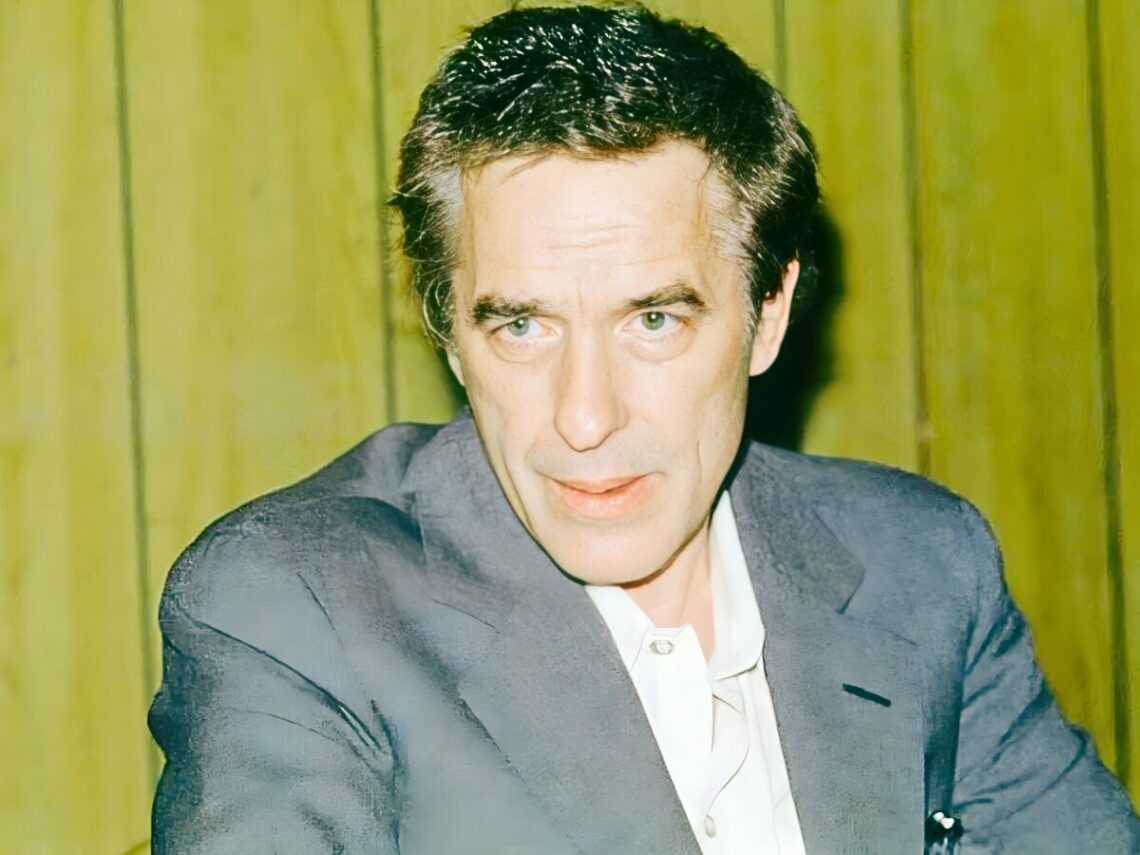
John Cassavetes: The maverick pioneer of American independent cinema

There are truly no other American filmmakers who’ve been so profoundly influential on the landscape of cinema whilst remaining criminally absent from the minds of mainstream audiences as John Cassavetes. The undisputed crowning glory of Western independent cinema, this New Yorker and his distinctly raw and messy “vérité” style of filmmaking inspired Martin Scorsese, served as the primary influence for the Safdie brothers, and is so culturally significant that an independent movie award is named after him.
Before we delve into his directorial efforts, it’s important to mention his modest yet prominent acting career – chances are, even if you’ve never heard of the man, you’ve probably seen him. His on-screen credits rack up to well over 50, beginning with bit parts in feature films and television, starting way back in the 1950s. However, most prominently, he was nominated for a ‘Best Supporting Actor’ Oscar for his role as Victor Franko in Robert Aldrich’s seminal 60s war film, The Dirty Dozen.
A year later, in 1968, he portrayed the handsome and charming yet suspicious and possibly evil husband to Mia Farrow’s Rosemary in Roman Polanski’s genre-defying horror masterpiece, Rosemary’s Baby.
Time and time again, Cassavetes proved himself to be a wonderfully talented actor – but it was behind the camera, sitting in the director’s chair, that saw his talents soar. His first feature was Shadows – an unbelievably ahead-of-its-time indie drama that examined race relations in New York City towards the end of the 1950s. It began a recurring and prominent theme in his work: improvisation.
After a stint in the studio system directing Paramount’s jazz tale Too Late Blues, followed by Burt Lancaster/Judy Garland drama A Child Is Waiting two years later, Cassavetes returned to the creative freedom enabled by independent filmmaking and made Faces. Fiercely candid and often quite challenging, this meandering depiction of the breakdown of a marriage was the absolute antithesis of the studio movie. In American cinema, there had never been something quite like it. It was plotless and aimless, and almost every scene had people improvising and talking over each other. For directors like Scorsese, Woody Allen, and Robert Altman, it was revolutionary.
His follow-up was Husbands, the first of several movies featuring the undeniable and hypnotising charms of actors Ben Gazzara and Peter Falk (as well as boasting a star performance from Cassavetes himself). Following the boozed-up antics of three men following the funeral of a fourth member of their friendship group, the result was, once again, a rambling and barely coherent sequence of scenes that culminated in a potent and majestic viewing experience.
Cassavetes continued making movies into the 1980s, but the unofficial trilogy of 1970s films ultimately defined his catalogue. The first was 1974’s A Woman Under the Influence, the definitive example of his regular collaboration with his wife, Gena Rowlands – one of the world’s greatest-ever female actors. This was followed two years later by The Killing of a Chinese Bookie and another Rowlands vehicle, Opening Night, in 1977.
In 1999, ten years after the actor died aged 59, the Independent Spirit Awards honoured the director’s legacy, ethos and dedication to authentic cinema with their new award, the ‘Independent Spirit John Cassavetes Award’. Over a decade later, in 2010, the Safdie brothers would win the prize with Daddy Longlegs, and thanks to their later success with Good Time, their enthusiasm for the director and his indelible work would go on to find a new, younger audience.
