


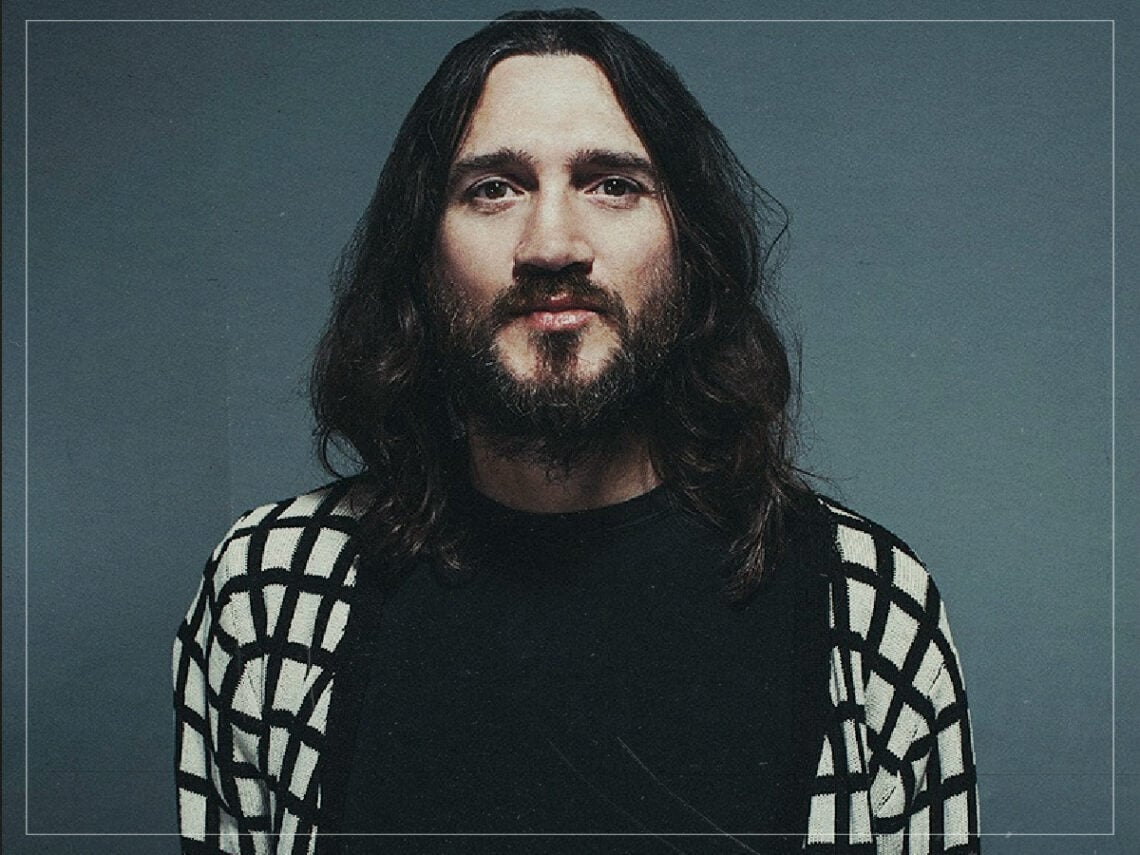
“Everybody thought I was dead”: How John Frusciante lived to make Red Hot Chili Peppers’ best album in 1999

It was a minor miracle that John Frusciante made it to 1999 alive, let alone back in the Red Hot Chili Peppers’ fold on the cusp of their silver age.
He was just 18 years old when he first joined the funk rock band. Already a fan, the teenage Frusciante had studied the original guitarist Hillel Slovak’s playing with such studious devotion that he could play much of the Chili Peppers’ sets with ease. Before long, routine show attendance in Los Angeles and a mutual jamming session resulted in bassist Flea offering the eager guitarist a role in the band after Slovak’s death in 1988, triggering such a jubilant cheer after the affirmative phone call the new recruit ran through the house screaming with sheer joy.
Fame would hit hard and fast, however. The following year’s Mother’s Milk would score the Chili Peppers’ highest album yet, but 1991’s Blood Sugar Sex Magik would catapult the quartet to rock stardom, nabbing number three on the Billboard 200 and placing them front and centre of the new decade’s Alternative Nation. It was all too much for the young Frusciante. An aversion to their new rock stature away from the LA underground left Frusciante cold, routinely arguing with frontman Anthony Kiedis that the Chili Peppers were “too popular” across the Blood Sugar Sex Magik Tour.
By 1992, Fruscainte called it quits. During that year’s Japanese tour, a creeping heroin habit and alienation from stardom saw the guitarist turn his back on the band he loved after his final show with them at Saitama’s Sonic City in May, triggering an abyssal five years of drug addiction and phantasmic recluse.
In no time, Frusciante had hit rock bottom. Holed up in his Hollywood Hills apartment, smack became mixed with crack cocaine; he was living in squalor and endlessly noodling away on half-forgettable lo-fi four-track recordings. There were brief appearances. Frusciante would take the stage with his and Butthole Surfers frontman Gibby Haynes’ P project, and a couple of solo albums would surface, but the throes of addiction only worsened. By 1997, Frusicante was skeletal in appearance, his teeth were rotten, his arms blotched with abscesses, and he nearly died from a blood infection.
While Frusciante was adrift in his addictions, his old Chili Peppers band had lost a little of the magic they’d enjoyed at the decade’s start. Jane’s Addiction’s Dave Navarro filled in guitar duties in the interim years around 1995’s One Hot Minute, adding an intriguing psychedelic metal sound that capably plugged a gap. But all knew it wasn’t going to last. Despite Keidis’ lingering grudges after the Japan mishap, Flea was eager to reach out to Frusciante for the faint hope he’d be interested in getting clean and rejoining the band.
It was the SOS distress signal he needed. Internal intuitions kicked in, mustering up the will to wean off the smack cold turkey and finally nail the cocaine addiction at Pasadena’s Las Encinas clinic to pick up the Chili Peppers guitar again. Armed with an ascetic spirituality and a new set of teeth, the reenergised quartet blitzed through a three-month rehearsal and welcomed Frusciante back on stage for 1998’s Tibetan Freedom Concert in Washington DC.

The Chili Peppers weren’t even sure they’d continue as a band, but Frusciante’s return yielded 1999’s Californication and its expanded creative palette of soft rock, psych and art rock flourish, setting the stage for By the Way and Stadium Arcadium’s global conquering. From the brink of dissolution to standing as the biggest band of the 2000s, Frusciante didn’t just save his own life, but rolled the Chili Peppers last roll of the dice. It’s a gamble still paying off to this day.
“Everybody thought I was dead,” Frusciante wryly remarked to Rock Sound just weeks after Californication’s release. “But as you can see, I’m very much alive.”
