


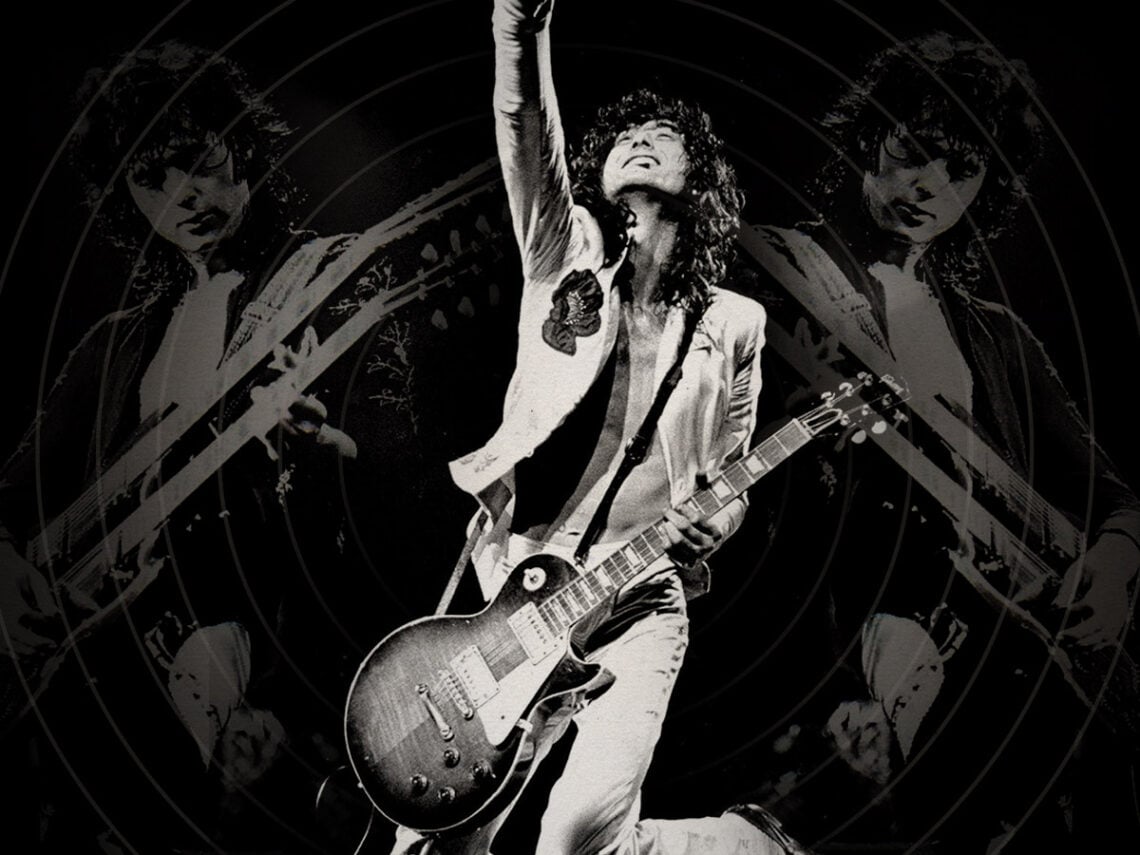
Jimmy Page’s three favourite classic rock bands: “I was really impressed”

Few musicians are as central to the textbook impressions of classic rock as Led Zeppelin’s guitar maestro, Jimmy Page.
Whether an icon of rock’s glorious 1970s bluster or a paragon of the era’s lapses into parody is up for question, but it’s likely that Page’s double-necked fretwork strutting back to back with Zep frontman Robert Plant’s open-chested gyrations spring to mind when envisaging rock’s halcyon days before punk’s new wave upended the whole stadium-selling behemoth party.
With John Paul Jones’ bass and arranging chops, and John Bonham’s pile-driving percussion, Led Zeppelin at their peak stood as one of the era’s powerhouse outfits, every member contributing an essential alchemic component on a level of creative and performative essentiality only rivalled by former mods The Who. While Jones boasted crucial multi-instrumental dexterity, it was Page who served as the band’s artistic polymath, fascinated by everything from proto-metal, folk wanderings, to exotic, far-flung compositions that all imbue each of Zep’s holy LPs, produced by the guitarist himself.
Yet, when quizzed on the classic rock acts of the day that he dug, Page never offered much in the way of praise, on record for lambasting the 1970s’ glam acts like Suzi Quatro or Mud, still glittering the charts as the original pioneers had jumped to other sonic ventures. A child of the 1950s, Page namechecked early bluesmen like Muddy Waters and Howlin’ Wolf as key guides both as a budding music fan and earnest guitar player, and his esoteric tastes would lead him to highlight Indian sitar player Ravi Shankar’s raga styles as an intriguing path toward alternate approaches to songcraft.
Hailing from the London cohort of 1960s axemen and frequent buddies and collaborators over the years, only a handful of acts that orbited Led Zeppelin’s peak years have been definitively honoured by their virtuoso guitarist.
Jimmy Page’s three favourite classic rock bands:
The Rolling Stones

If one were to assess classic rock’s ‘Big Three’ in the early 1970s, The Rolling Stones stand shoulder to shoulder with both Zep and Who. The deputy unleashers of the British Invasion that dominated US pop charts behind Liverpool’s finest, the Stones’ living mine of Americana’s country and blues musical sediment saw the ensemble even overtake The Beatles’ relevancy by the 1960s close, scoring the counterculture’s dark curdle as much as anything from the country’s West Coast or garage-burning Detroit.
Page counted himself as a fan too. Paying close attention long before Altamont or even The Ed Sullivan Show, Page was turned on to the future rock giants by recording engineer Glyn Johns back when he was a session studio man prior to Led Zeppelin taking shape. Sharing a similar love of the blues, Page would list himself as one of the Stones’ eager fans during the band’s genesis, when the dynamism between Mick Jagger and Keith Richards had yet to truly rear its head. “I finally went to see them, and I was really impressed,” Page recalled in 2012’s Light and Shade: Conversations with Jimmy Page. “They really had the Muddy Waters groove dead on. Brian Jones in particular was playing very authentically”.
Little Feat
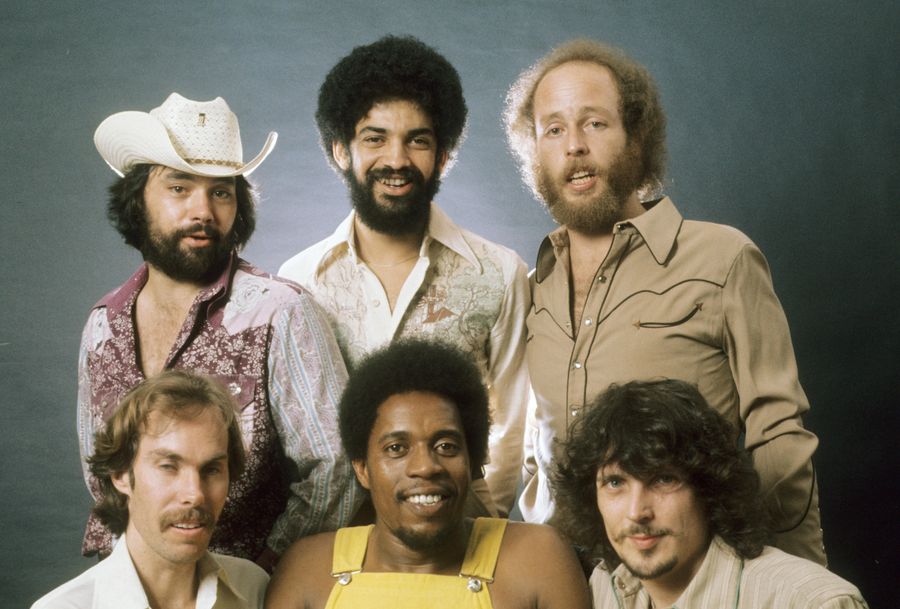
Any band that inhabits the lofty top spot of Page’s musical affections can confidently rest on their laurels. While less recognised in the uppermost of rock’s lauded canon, Los Angeles’ Southern-style swamp country, Little Feat, boasts the glowing distinction of standing as Page’s “favourite American group”, as revealed in a 1975 interview with Rolling Stone. It’s quite a statement from the man who looked to everything from the occult to emerging synthesizer technology for influence.
Formed by ex-Mothers of Invention members Lowell George and Bill Payne in 1969, Little Feat brewed a rootsy blend of blues, folk, and soul that stuck a hook in Page with their ramshackle rock stroll, joining the litany of fans who adored them with a near feverish zeal as the cult surrounding San Francisco’s Grateful Dead, a band Little Feat were frequently compared to. Plant also interjects in the same Rolling Stone interview, claiming the US attorney general had made a complaint to the LA hotel where Led Zeppelin were staying, bemoaning the Little Feat records played far too loud from the floor below.
Jeff Beck

He’s a name inevitably honoured by much of popular music’s rollcall of famed guitarists. Forming the celebrated Yardbirds triple whammy alumni with Page and Eric Clapton, Jeff Beck would pursue a vast expanse of eclectic outlets in the solo aftermath of his namesake Group and Beck, Bogert & Appice power trio. Opting for mainly instrumental offerings up until his death in 2023, across anything from blues, jazz fusion, electronica, and classical music, equally disparate intuitions would trigger Page to celebrate Beck’s guitar style as “a poorman’s Bourrée by Bach”, in an askance compliment.
Likely the most acclaimed ‘guitarist’s guitarist’, many of rock and pop’s biggest names eagerly sought to work with him, from Kate Bush to Ozzy Osbourne. “Everybody respects Jeff,” Page affectionately declared in 2018’s Still On The Run: The Jeff Beck Story documentary. “He’s an extraordinary musician, and he’s developed a technique that’s so complex it’s just a beauty to behold and hear and to feel his playing”.
