


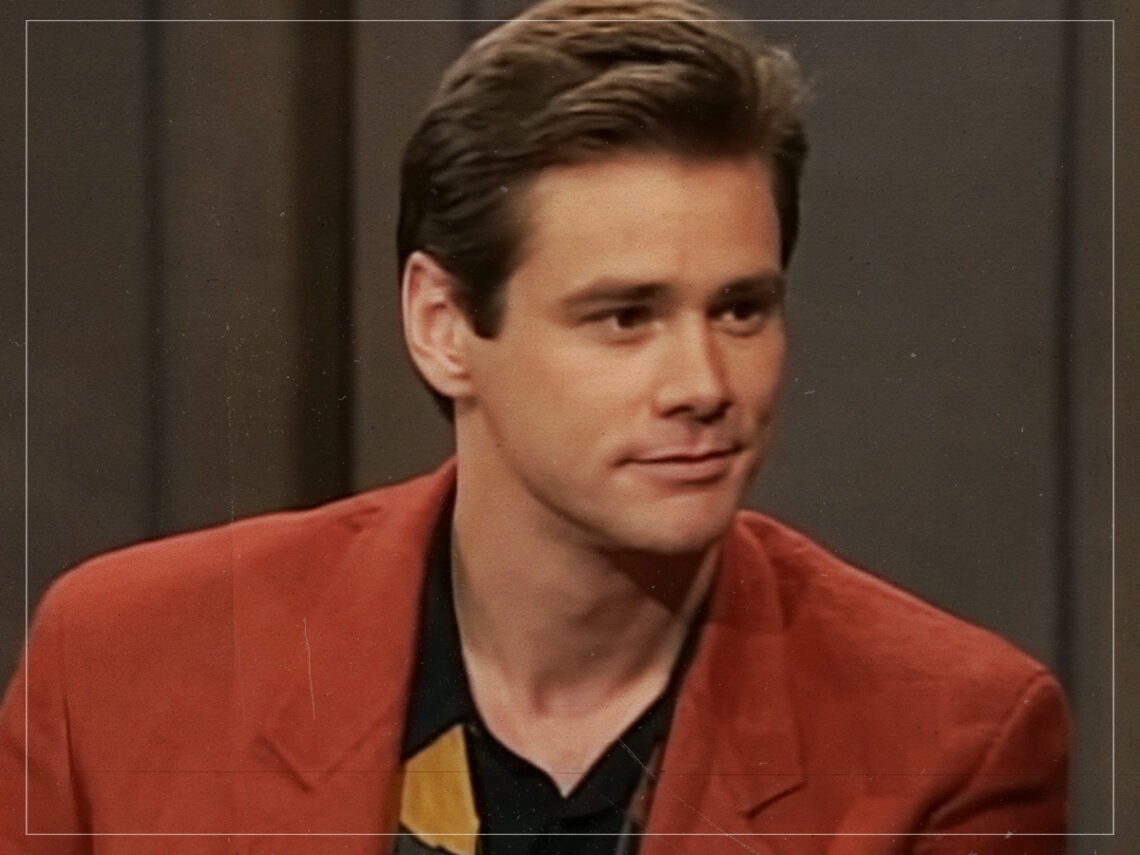
The 1990s Jim Carrey movie that set a “perilous and dangerous precedent” for cinema

His signature style of comedy may not be for everyone, but Jim Carrey has never been an actor known for making dangerous, controversial, or offensive career choices.
The one time he could have come close, he distanced himself from Kick-Ass 2 and disowned it completely, with the actor explaining that in the wake of recent real-world developments, he couldn’t support, condone, or promote a superhero sequel full of gratuitous death and violence.
Apart from that, he hasn’t ruffled many feathers. Like every A-list comic star, his work has often split opinion, but he has a habit of getting everyone on the same page when playing it straight, although The Truman Show and Eternal Sunshine of the Spotless Mind fit that bill much better than Man on the Moon or The Number 23.
None of his films have been widely denounced, discredited, or found themselves in the eye of a cultural storm, but he did manage to leave executives around Hollywood quaking in their boots when he became the first member of the $20 million club in June 1995, when he signed on to headline The Cable Guy.
And to think, all of the furore could have been avoided were it not for scheduling conflicts. When Sony first acquired the script, Chris Farley was set to star, and you can be sure as shit that he wouldn’t have gotten $20 million for his efforts. When he dropped out, Carrey was in, and Hollywood crapped its pants.
One studio boss branded it “as seminal and destructive a payment as when Larry Gordon and Barry Diller paid $5 million for Bruce Willis to do Die Hard,” not that Willis minded. “That also came out of nowhere,” the executive added. “And set the pace for actors’ salaries.” Mike Medavoy was in the same boat, calling it a “perilous and dangerous precedent,” but were they right?
Yes and no. Carrey might have been the first $20 million man, but the same year he agreed to the record-breaking salary, Sylvester Stallone had negotiated a $17.5 million deal for Daylight. That man Willis had earned $15 million for Die Hard with a Vengeance and $16.5 million for Last Man Standing, and Arnold Schwarzenegger netted a reported $20 million for Eraser, which landed in cinemas a week after The Cable Guy, so it was going to happen eventually, whether it was Carrey or not.

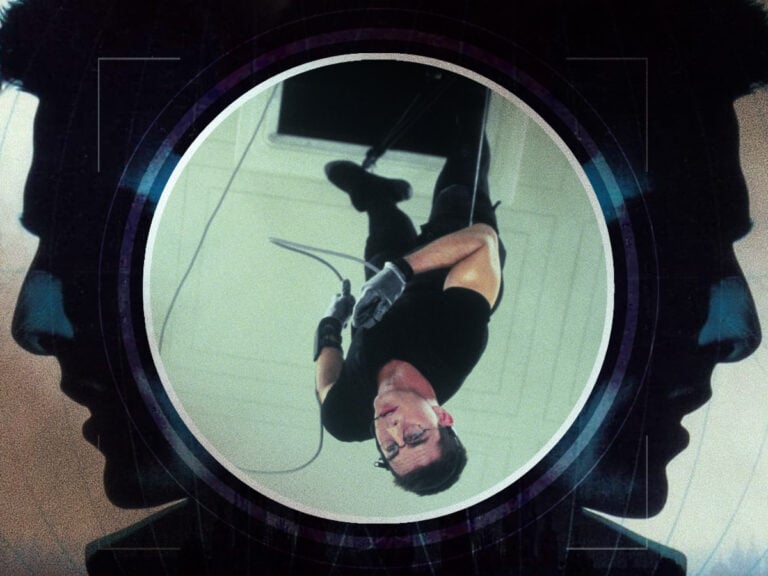

He took the brunt since he was the first, though, but the way the business was heading, those paycheques would inevitably spiral out of control. Today, actors can make up to nine figures and above from a single performance, but backend deals and profit participation bonuses date back much further than the ’90s.
The first actor to forego an upfront salary in favour of a percentage of a film’s box office takings was James Stewart, and he did that with Winchester ’73 back in 1950. In hindsight, looking at how much money the biggest stars are making today, that was a much more perilous and dangerous precedent than the one set by The Cable Guy.
