


‘Pierrot le fou’: The Jean-Luc Godard movie that inspired Chantal Akerman to become a director

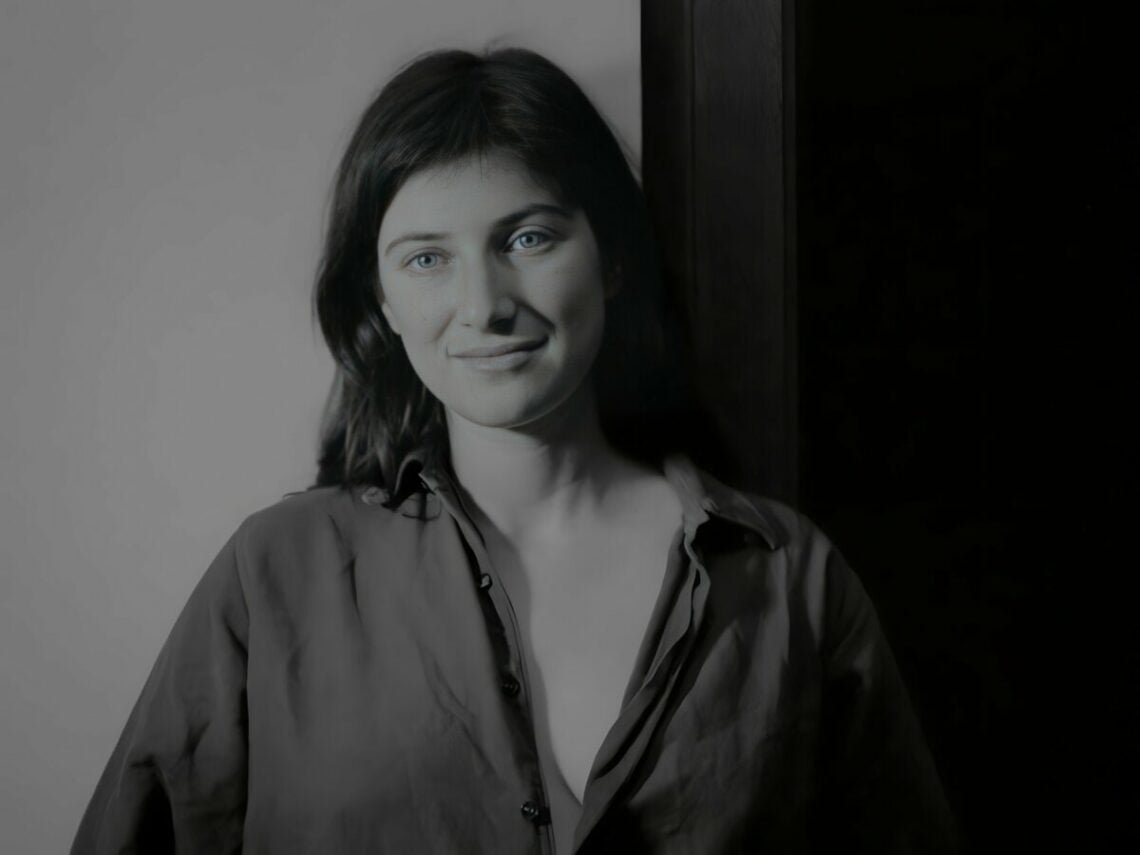
Chantal Akerman was a rare cinematic talent who utterly dedicated herself to art in a way that was incredibly powerful and personal. From her creative early short films to her feminist magnum opus, Jeanne Dielman, 23 quai du Commerce, 1080 Bruxelles, and her moving documentaries, the filmmaker believed in cinematic truth and crafting honest portraits of the human experience, specifically that of women.
Born to a mother who survived the Holocaust – she was sent to Auschwitz, where her own parents died – Akerman’s interest in family, trauma, the passing of time, and suffering is evident in her work, which openly criticised various forms of oppression. The capitalist and consumerist structures that cause alienation and pain, as well as the patriarchal framework that condemns women for merely existing, all take shape in Akerman’s work, which fluidly and experimentally challenges tradition, both theoretically and structurally.
Akerman completed various radical acts of filmmaking during her time, like the queer Je Tu Il Elle, in which she appeared and engaged in the first proper lesbian sex scene in cinema. With News from Home and No Home Movie, Akerman centred her relationship with her mother, creating a moving portrait through letters and conversations. Her bold and defiant acts of filmmaking came at a time when few women were making films, and she remains one of the most influential directors of all time.
The filmmaker released her first short film in 1968, Saute ma ville, which bears clear influence from the French New Wave, with its simultaneously playful tone and nihilistic themes. Commenting on the trappings of domesticity with dark humour – paving the way for Jeanne Dielman – Akerman looked to the revolutionary filmmaking of the nouvelle vague for inspiration.
It was a certain film by Jean-Luc Godard that led Akerman to pursue filmmaking as a teenager, opening up her mind to a world of unusual techniques that had rarely been attempted in cinema before. In 1965, at the age of 15, Akerman saw Pierrot le fou; there was no turning back.
“I realised that a movie can be as full of an experience as a fantastic book or a painting. So, then the same day I decided I want to make films,” she once revealed (via BFI). It’s no surprise that a young Akerman was inspired by Pierrot le Fou; it’s one of Godard’s most interesting works, both fiercely political and visually stunning, with various bright colours defining its aesthetic palette.
The movie also features fourth-wall breaks, a musical number, and a playful sense of ridiculousness that makes the characters feel larger than life. Anna Karina starred as Marianne, a young woman whom Jean-Paul Belmondo’s Ferdinand (or Pierrot, as he is often called) decides to run away with. When they realise that they’re being followed by terrorists, a journey full of crime ensues, resulting in a bizarre tale of the search for freedom.
Many of these techniques that Godard used would’ve felt incredibly new and exciting at the time, and these have since become a stalwart feature of our cinematic lexicon. For Akerman, seeing such a terrific film on the big screen inspired her to pick up a camera, and Saute ma ville, with its strange blend of light and dark, is clearly indebted to Godard’s iconic film.
