


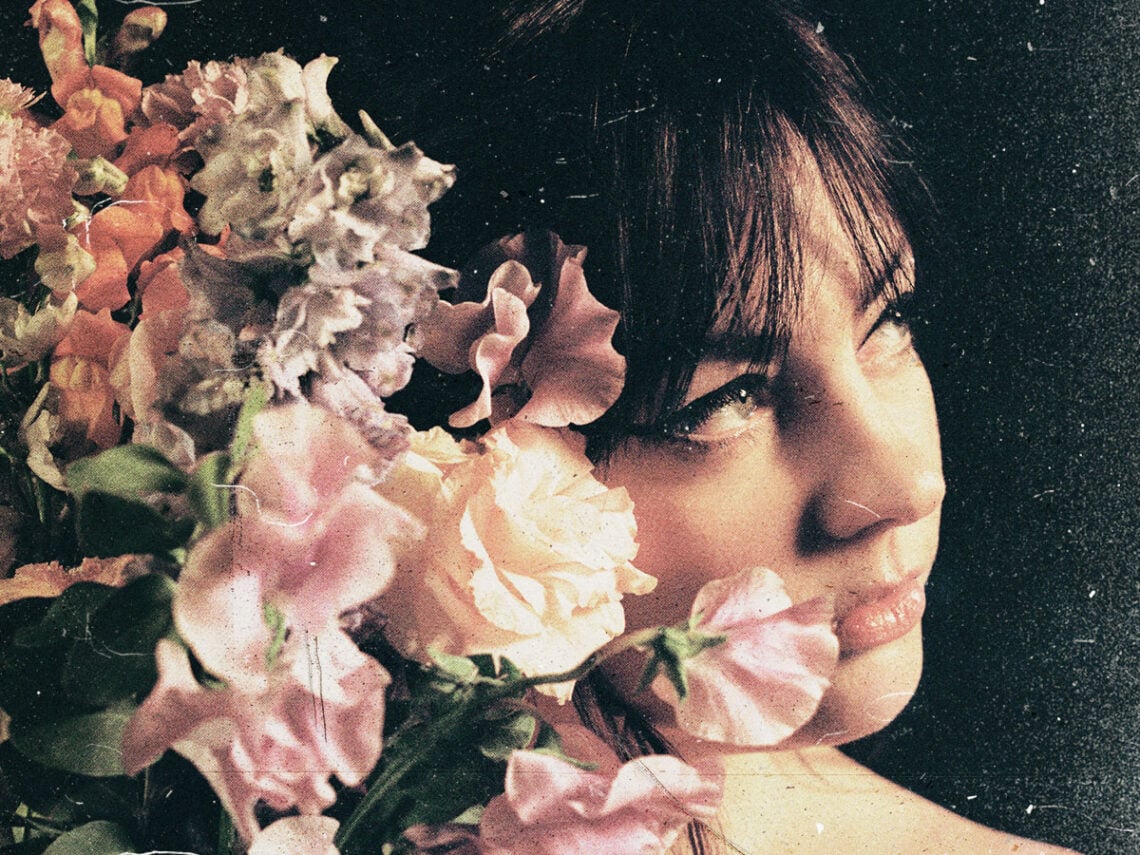
“The things I was hearing that existed before now”: how jazz shaped the world of Angel Olsen

“When I was in Chicago, I used to listen to a lot of jazz,” Angel Olsen once admitted, offering a glimpse into her meticulous world – while it’s easy to treat her endearing hushed and raspy vocals as a veil that clouds her eery and visceral world, appreciating jazz music was the singer’s constant, even when transformation and innovation was her sole focus.
Olsen’s haunting textures stem from a melting pot of inspiration, the centre of which is the artistry of jazz and the lesson that music can emit as much mystery as it can provide revelation. Often, the tonal elements of instrumental jazz can provide as much room for perception, if not more, than songs with lyrics. One of Olsen’s most poignant exposures to the importance of jazz music was through a local bartender in Chicago, who believed jazz deserved undivided attention.
“Shut the fuck up!” he would yell, attempting to eradicate the rowdy tones of a lively room so that live jazz music could have its moment. “Honestly,” Olsen told The Line of Best Fit, “you could only order a beer after each song.” Jazz was so important to the bartender that there were rules, Olsen explains, adding that the whole place could have probably been perceived as pretentious, but that wasn’t an issue because she was at a point in her life where pretentiousness was everywhere, even in herself.
‘Nightmare’ by Artie Shaw and his Orchestra taught Olsen about paying “attention to the tones of the music.” In her view, it was difficult to decipher what constituted such a nightmare in the song. At the same time, Shaw provided “a window in my life” marked by being “excited by the things I was hearing that existed before now.” The beauty of music like ‘Nightmare’ was the fact that it was so meticulous – “you had to really care about every aspect of it,” Olsen explains, which isn’t always the case today.
In today’s landscape, we have social media and multiple technological tools that transformed the way music is made and shared. Jazz, according to Olsen, reminded her of a simpler time, where music was more real and had yet to be “corrupted by that process.” The industry is so “backwards and funny” in comparison, but jazz artists like Shaw existed during a time when “there was really no way to take advantage of the media.”
Alice Coltrane is another artist who soundtracks her simpler, more quieter moments. ‘Journey In Satchidananda’, for instance, became her go-to track to play in the bath because it forces you to “sit down” and “sit with your thoughts,” she told the BBC. An intimate tribute to Indian spiritual teacher Swami Satchidananda, ‘Journey In Satchidananda’ is a mesmerising example of experimental jazz, culminating in a spiritual and meditative musical experience.
After meeting Phil Cohran, Olsen discovered the Hypnotic Brass Ensemble, which helped her to find peace in a meditative mindset and recognise the importance of the present. ‘Now’ was a particular cornerstone of this achievement, as she explained, because it allowed her to remind herself “that there is a present, a past and future, but now is the most important part.”
While her jazz influences may not be overtly present in her own work, they enabled her to open figurative doors within her own mind while repurposing jazz’s emotive qualities and fusing them in her own lyrics and arrangements. Olsen typically explores different musical styles in her approach, which is reflective of the various senses of conventional freedom and exploration found in many jazz songs and albums.
