


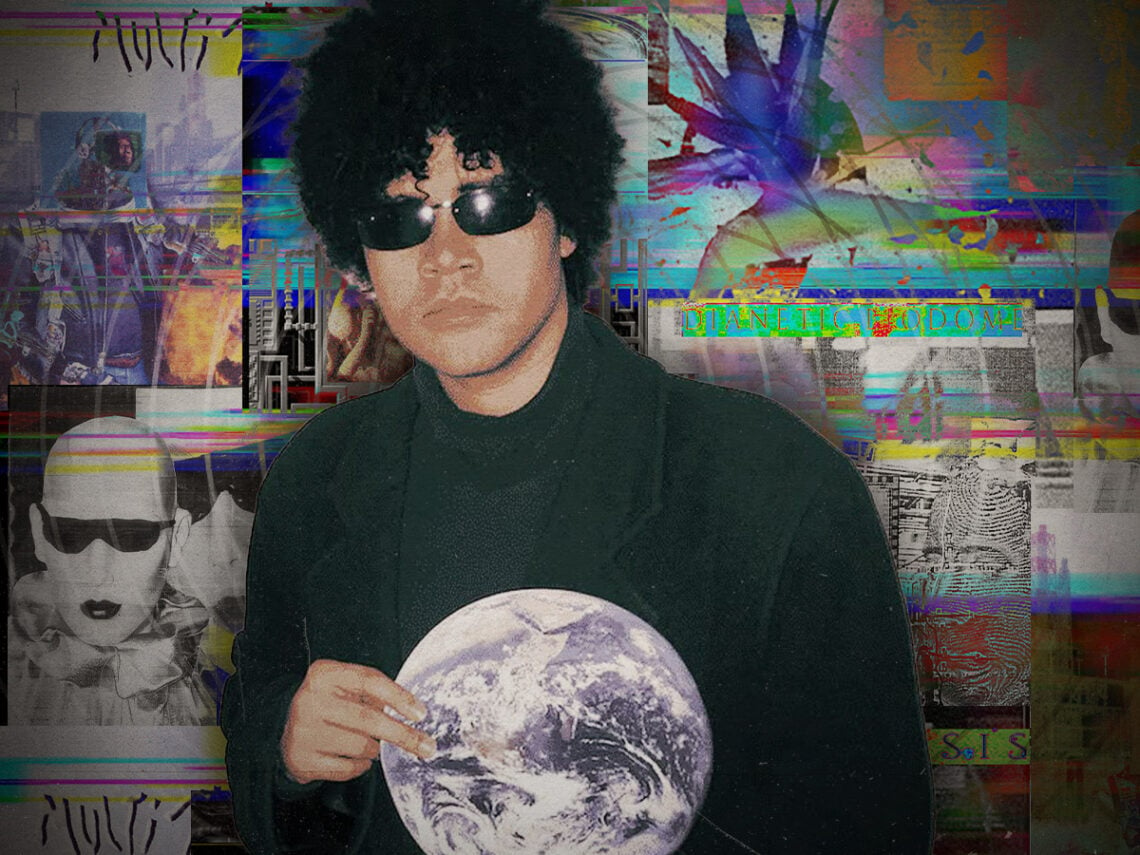
James Ferraro: the most itinerant maverick of 21st-century electronic music

Electronic music is quite a broad spectrum, and being told that you fit into it doesn’t necessarily mean that you’re easy to associate with others in the wider sphere.
It’s hard to imagine David Guetta and Autechre, for example, ever having crossed paths or sharing any sort of mutual appreciation for one another, but at the same time, both of these artists are a million miles away from what early pioneers like Delia Derbyshire and Raymond Scott were offering up, long before electronic music was anything more than an experiment in melody and technology.
Generally speaking, electronic music has shifted towards a world where it caters to the dancefloor, applying rhythms that are easier to move to, but deeper in the underground are people who still wish to adhere to the earlier principles of experimenting with sound rather than making something that is ostensibly catchy.
While there have been a number of artists who have flirted with the more experimental side throughout the 21st-century, with the likes of Oneohtrix Point Never and SOPHIE representing two different yet uniquely challenging styles of electronic music, there aren’t many people out there who have managed to apply themselves in such a myriad of ways as James Ferraro, perhaps the most unconventional rulebreaker working within the genre’s parameters today.
Keeping tabs on Ferraro’s prolific output is a task in itself, with the 44 studio albums released under his own name barely scratching the surface of his wider contributions to contemporary electronic music.
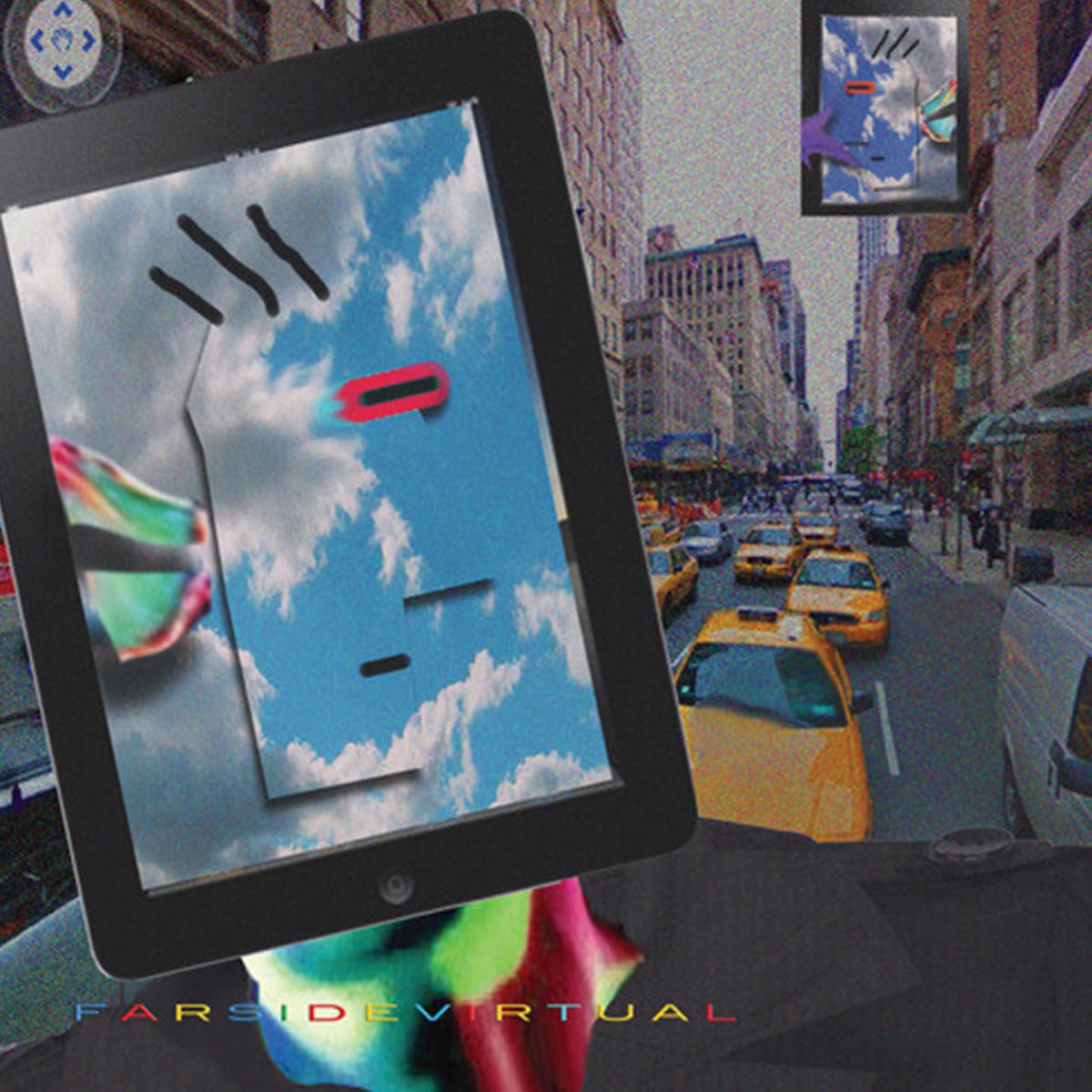
Among his most notable releases are albums such as Far Side Virtual, a divisive album that presaged the immense popularity of vaporwave while fusing its aesthetics with a distinctly new age sonic palette, the anti-consumerist satire of Human Story 3, and the phasing ambient drones of Last American Hero. In most circumstances, this should give you a picture of the styles an artist likes to encompass, but in Ferraro’s world, this is a mere morsel of his eclectic approach.
Ferraro has professed a love for the production styles commonly used in underground hip-hop movements like trap, grime and cloud rap, often choosing to replicate the lo-fi quality through using rudimentary production software and convoluted recording methods that echo their cheap, on-the-fly nature. While it’s a bold choice to deliberately make something that lacks the same sheen most modern producers would prefer to apply, the woozy hypnagogia that he creates through distorting sounds or making them as plastic as possible is what makes his records so uniquely intriguing.
It’s not as though his exploits end there either; Ferraro has made countless additional records under a variety of aliases, adopting the moniker Lamborghini Crystal for his early experiments in psychedelic rock and creating haunting tape loops as Cruisin’ the Nightbiker Strip 1977, among other projects. If it isn’t conventional, Ferraro has probably tried it at some point in his career.
This has also led to him collaborating with a variety of other form-bending artists, forming the progressive trance fusion project Bodyguard alongside Yves Tumor in 2012, establishing the FRKWYS 7 Ensemble alongside Daniel Lopatin, David Borden, Laurel Halo and Sam Godin for a one-off meeting of minimalist minds, and even circling back to his earliest ventures as one half of the prolific freak folk act The Skaters with Spencer Clark from 2003 to 2008.
Now seemingly taking a considerably longer time between his releases and focusing his attention on other multimedia projects such as video game design, it’s unclear whether Ferraro has accepted that a new generation of innovators deserve the space to come and take the mantle, or whether he’s allowing his ideas to gestate for longer until they become more timely.
As much as it might be impossible to digest it all fully, or even find yourself enjoying all of it, you can’t help but admire his ceaseless creative spirit. Regardless of how he’s choosing to approach things these days, it’s evident that few others have come close to touching the levels of unpredictability and brazen deconstructions of genre that Ferraro has gifted the worlds of electronic and experimental music throughout the first quarter of the 21st-century.
