


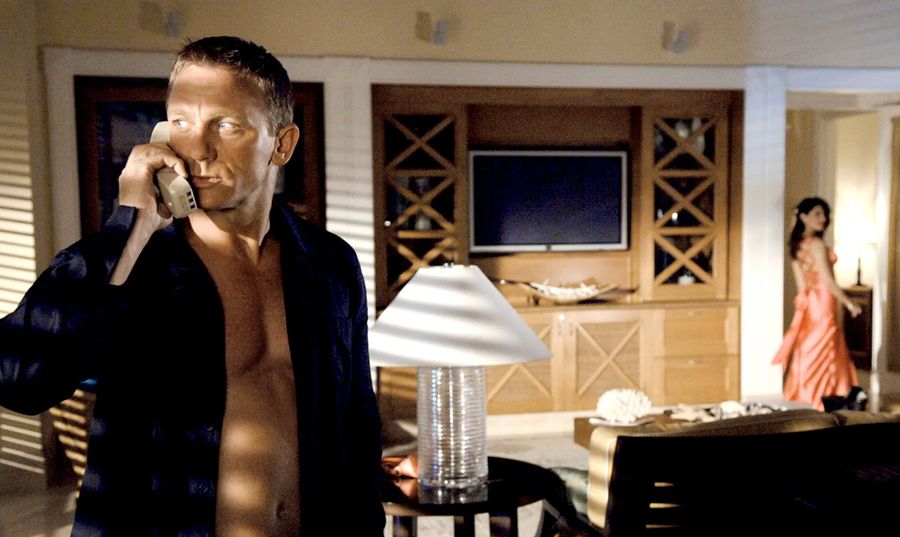
James Bond writers reveal a “more complex narrative” of Daniel Craig’s character

Two of the most revered screenwriters of the James Bond film franchise have discussed some of their secrets to creating such an iconic character, complete with a host of equally as timeless lines.
As part of the British Film Institute’s (BFI) celebration of the super spy’s 60th birthday on the big screen, Neal Purvis and Robert Wade gave an interview in which they discussed their career with James Bond, which stretches all the way back to 1999 with Pierce Brosnan’s third film The World Is Not Enough. The pair also revealed that, more often than not, they’d work in tandem with another writer to help “polish” their work.
When the pair made their first outing with Bond in the 1999 film, they worked with the American writer Bruce Feirstein to help them complete it. Then, when Daniel Craig made his career-defining debut in 2006’s Casino Royale, the pair allowed the controversial director Paul Haggis to complete it. Famously this trend climaxed in a significant step forward for the franchise for the concluding Craig title, 2021’s No Time To Die, when Phoebe Waller-Bridge was brought in to freshen things up.
“When we’ve finished our job on the screenplay, it’s basically goodbye Rob and Neal,” Purvis told the BBC. “With Casino Royale, for instance, Paul Haggis took over. And with Skyfall it was John Logan, but obviously always working with the director.”
Working with Daniel Craig over 15 years saw the pair develop a complex story, which is interesting as when they first started work on his arc, he hadn’t even been cast. “So in that case we were writing our story with no actor in mind but from Ian Fleming’s original Casino Royale novel [published in 1953]. We wrote to his conception of the story as faithfully as we could. Daniel then inhabited the role, and of course, over time, we saw what Daniel could do,” Purvis said.
He concluded: “Daniel’s Bond could have the strength and determination and bravado that Pierce had before him. But the actual dramatic scenes were different, so inevitably, the dialogue moved on. As early as Casino Royale the tone changed.”

Never Miss A Scene
The Far Out Film Newsletter
All the latest film news from the independent voice of culture.
Straight to your inbox.