


How Jacqueline Taieb’s ‘7AM’ captured youth culture in 1960s France

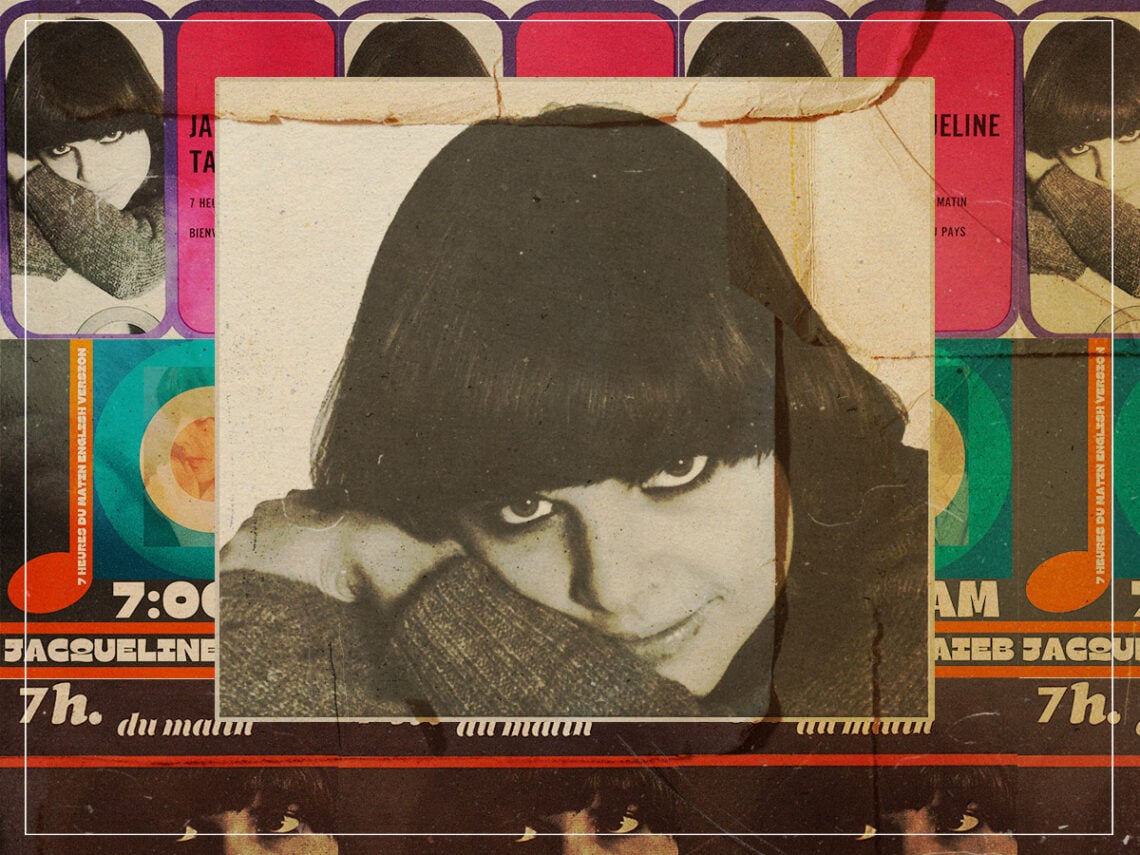
“Oh, I have an English exam today/ Mmm, I wish I had Paul McCartney to help me,” sings Jacqueline Taieb on her hit single ‘7AM’, playfully encapsulating the Beatlemania that swept the 1960s. The song was released in 1967 and was recorded in both English and Taieb’s native French as ‘7 heures du matin’. It was the 19-year-old singer’s biggest hit, reflecting an era of youthfulness, freedom and cultural change.
When Taieb was 18, she was scouted by a talent agent while singing with friends, leading her to begin recording music. The yé-yé genre was one of France’s most popular forms of music, with many young women and teenage girls singing fun tracks inspired by the burgeoning influence of rock and roll and classic French music. From Françoise Hardy to France Gall, these singers were some of France’s most successful musical stars of the ‘60s, and Taieb joined them with her playful cut.
The 1960s were a period of great innovation led by young people dissatisfied with the stale attitudes and traditionalism of their parents. Sexual liberation, civil rights, and greater political and creative freedom were some of the main aims espoused by young people, which was reflected in the art that was made during this time.
Musicians began experimenting with their instruments, inventing new ways of creating music through innovative production techniques, for example. The United Kingdom led the charge, with bands such as The Beatles, The Rolling Stones and The Kinks becoming just some of the names that could be heard on radio stations across the world – their music, fashion, attitudes and sexuality mirroring the decade’s cultural shift.
The swinging sixties also welcomed less conservative and practical clothing. Young girls were starting to wear shorter skirts and unusual silhouettes, and a lot of men weren’t opposed to wearing stereotypically feminine outfits, like Jimi Hendrix, who often wore frilly shirts and rich colours on stage. Young people were taking over, it seemed, and newer, more liberal ways of thinking began to emerge.
A radio show called Salut les Copains! helped to popularise American and British music in France, particularly among young people, leading to the birth of yé-yé music. French youth were becoming more and more attuned to guitar music, which represented a sense of liberation. There was a newfound feeling of independence emerging – a real buzz in the air which suggested that there were more opportunities for young people than ever before.
Taieb’s song is the perfect playful encapsulation of this era, with the lyrics referencing several English or American musicians who were taking the world by storm. Speaking rather than singing, Taieb explains that she doesn’t want to get up for school, so she will put on some music to perk her up. “Don’t know, something like, ‘Talking ’bout my generation,’” she suggests, referencing The Who’s 1965 work ‘My Generation’.
By namedropping the popular song, Taieb alludes to the rebellious sentiments held by many youths during the era. The piece was known for its lyrics, which advocated for the new generation’s freedom, “People try to put us down/ Just because we get around/ Things they do look awful cold/I hope I die before I get old.”
As Taieb’s song continues, she references McCartney and Elvis Presley, imitating the rocker’s hit ‘Tutti Frutti’. Although Presley rose to prominence in the ‘50s, he was still popular in the ‘60s, forever remaining an icon of youthful disruption and rebellion. “I feel like playing a record just to annoy the neighbours/ Who are always complaining,” Taieb sings, highlighting the generational differences between more traditional older people and her generation, who want to play their music loud and wear cool clothes (“Which sweater shall I wear today?/ The blue one? The red one?”).
A year before Taieb released the song, filmmaker Jean-Luc Godard released the perfect precursor – Masculin Féminin, which featured the slogan, ‘The children of Marx and Coca-Cola’, reflecting the era’s preoccupation with both liberation and new, appealing cultural phenomena. Then, shortly after Taieb shared the song, the student protests and strikes of May 1968 saw young people almost bring down the French government.
Evidently, young people in France were becoming more liberated than ever before; there had been a complete cultural shift. While Taieb’s song might just seem like a bit of fun, it perfectly captures youth culture in ‘60s France, which was concerned with rebellion, innovation and freedom, partly inspired by the sounds of guitars from across the pond.
