


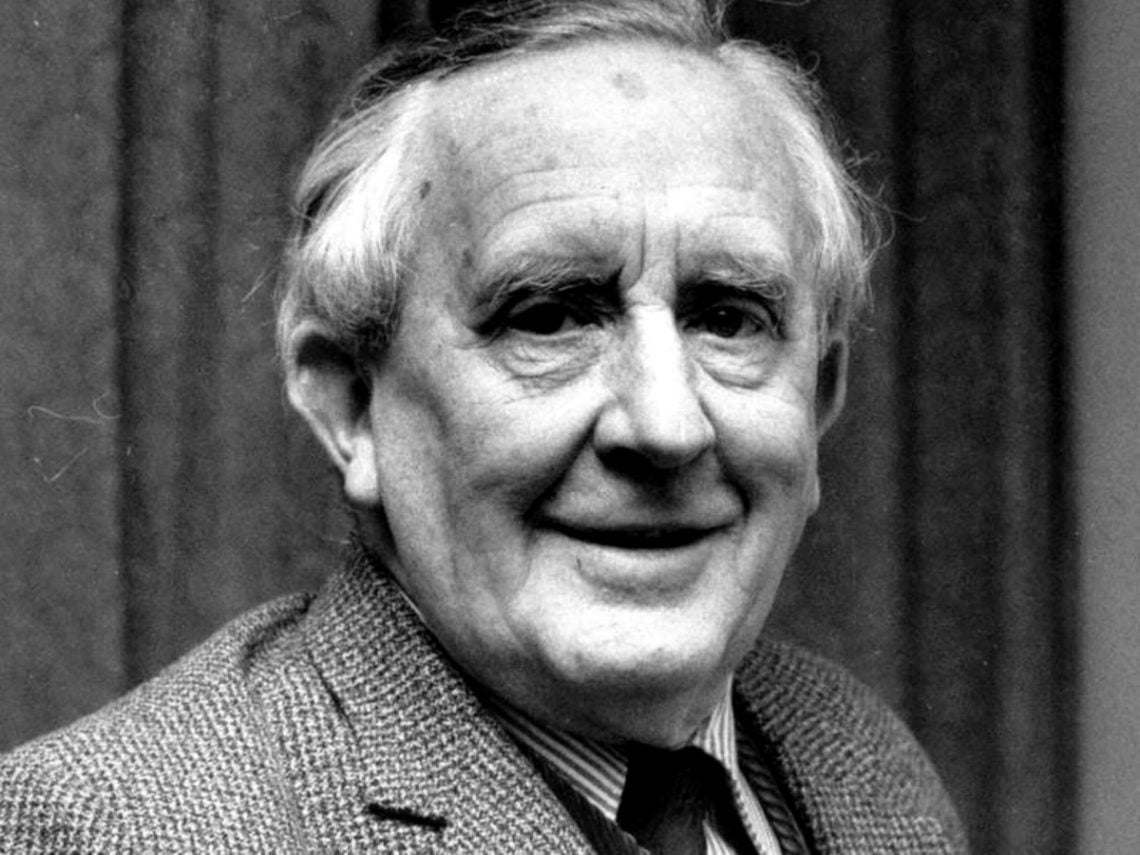
J. R. R. Tolkien’s monumental impact on modern cinema

John Ronald Reuel Tolkien (or J.R.R to the world) is also recognised as the godfather of high-concept fantasy, which is stronger today than it has ever been. Currently at the box office, Dungeons and Dragons: Honor Among Thieves is making a splash, lopping up fantasy fans who are in search of something new. These are people that have been studying and adoring Tolkien’s Middle-Earth their entire lives and are in desperate search of new terrain and a new world to explore. Without Tolkien’s Middle-Earth setting a strong precedent, we would not have seen world-building on such a scale as we have today.
The seminal novels The Hobbit and The Lord of the Rings helped people truly understand what fantasy could be in the early 1950s. Following on from his children’s adventure classic The Hobbit, Tolkien treated the fans to its three-part sequel, an unprecedented epic of vast proportion about evil, love and the heroic journey. Fantasy was no longer in mythology, children’s tales or epic poems but in adult fiction and was something that anyone can enjoy, regardless of age. Still to this day, The Lord of the Rings is heralded as the greatest fantasy series of all time. If not for its impact on the genre, we most likely would not have had the eight-season masterpiece Game of Thrones – HBO’s darling TV show remembered sourly for its lacklustre final season – and the currently-running, stunning prequel spin-off House of the Dragon.
In all fairness, you could easily attribute the box office success of the fantasy genre as much to Peter Jackson as to Tolkien. Jackson developed the special effects, costume design, and CGI motion capture, technological feats that were previously unseen on screen, in order to bring Tolkien’s vision to life – all for much less of a budget than your average Disney movie receives for marketing alone. But let’s remember the mastermind himself, Tolkien, who essentially created the entire world and its people from the little inspiration that was around him at the time. He spent decades alone, toiling over the languages of the elves, the histories of men and the family trees of the hobbits, arguably birthing fan culture in the process.
Over the last 20 years, since Jackson brought Frodo, Gandalf and Gollum to life on our screens, there was naturally an insurgence in Hollywood. Studios fought to secure the rights to the next fantasy epic series that would capture the fascination of the public in the same way as Middle-Earth did. From this, we were treated to weak films that came and were forgotten just as quickly. I’m talking about The Golden Compass (which has now found success on the small screen as His Dark Materials), Eragon, Percy Jackson and the Lightning Thief, and, in a more successful fashion, How to Train Your Dragon – which is now set to get its own live-action adaption.
It might seem like I’m forgetting one of the most successful franchises of all time, which has also made headlines of late thanks to the announcement of a television remake, Harry Potter. Harry Potter‘s similarities to The Lord of the Rings echo in its characters and story. Who can argue against the similarities between Gandalf and Dumbledore? How can you ignore Harry and Frodo, both being referred to as the ‘Chosen One’? Doesn’t the One Ring seem an awful lot like a Horcrux too? Although much praise must go to J.K Rowling for being able to build this breathtaking world all by herself, you mustn’t deny that she can’t help but lean on some of Tolkien’s works from time to time.
Tolkien managed to create a level of detail in his world that extended much further than just books. After his death, his son Christopher spent his life compiling the writings of his late father into The Silmarillion. This book offers a level of complexity that the original trilogy and the Hobbit don’t have. People who have read this book cite its dense lore and complexity in its subject, but it helps a keen reader and Tolkien fanatic understand Middle-Earth on a far deeper level. The Silmarillion explains Sauron’s creation, the downfall of Númenor and even how the world came to be (Eru anyone?). It’s the level of detail in the world that allowed people to make The Lord of the Rings so much more than just their favourite books to reread. They could now discuss them in greater detail, pore over them and debate the lore around them. And now today, these incessant fans drive fandom and pandemonium today for a film’s release, which is key to a film’s marketing. These fans spend hours dissecting trailers, fan castings and plot lines, you could indeed put forth the idea that Tolkien’s love for his world outside of the narrative was the birth of fan culture.
Fan culture is the very wheel that turns Hollywood today, as major studios look to churn out the next sci-fi, fantasy or superhero epic, with the successful films of the genre really helping to keep the studios staying afloat in a world dominated by Disney, Netflix, Amazon and Apple. People turn out in numbers to see the latest instalment in the franchise you’ve been waiting several years for, and J.R.R Tolkien’s way of telling a sprawling, epic tale in three books confirmed the long-lasting, lengthy storytelling which has come to define cinema in the modern day.
