


‘Odessey and Oracle’: The album Taylor Hawkins called the long-lost ‘Sgt Pepper’

When you go the extra mile to create your masterpiece and it doesn’t get the recognition it deserves, it can be somewhat demoralising and sap all of the motivation to create anything else of the same calibre. However, if you wait long enough, fortunes can change and people will come around to the brilliance that you put on display, and what should have been regarded as a masterwork at the time can experience a second wind. For British pop group The Zombies, this notion is all too familiar for them.
After the middling reception to their debut album, Begin Here, in 1965, the band found themselves dropped by Decca Records. The band had shown on early singles that they held a great talent for penning their own original material, with songs such as ‘She’s Not There’ being the most notable tracks from the record that showcased this. However, their decision to fill the majority of the record with covers of other artists was what ultimately saw them fail to hit the highs that were promised and left them languishing behind their contemporaries in the Beatles and the Kinks, who were beginning to establish themselves with more forward-thinking original material.
The band opted to self-fund their follow-up album, and in 1968, after plenty of reinvention, they released Odessey and Oracle, an album that saw them delve further into ambitious psychedelic pop with lush arrangements and inspired production. Songs such as ‘Care of Cell 44’ and ‘Beechwood Park’ are indicative of the genius songwriting that core members Rod Argent and Chris White had in their arsenal, and the distinct lack of covers meant that they had afforded themselves an entire album to show off their talents.
Released via CBS, the critical and commercial response to the record deserved to be much greater than what they had experienced for Begin Here three years prior, and they had rectified all of the errors that held back their debut album from being a success. However, the band were once again on the receiving end of a lukewarm reaction, and fearing that they’d never manage to make it out of the mire they had found themselves in, the band called it a day and pursued their own projects.
After the band’s demise, people began to recognise the brilliance of Odessey and Oracle, and slowly, over time, it has begun to experience a reappraisal that has rightfully recognised it as a lost masterpiece by the general public. Many other musicians cite the record as being on par with some of the other classic psychedelic pop records of the era and either hold it in high regard or look to it as having been a major influence on their own work.
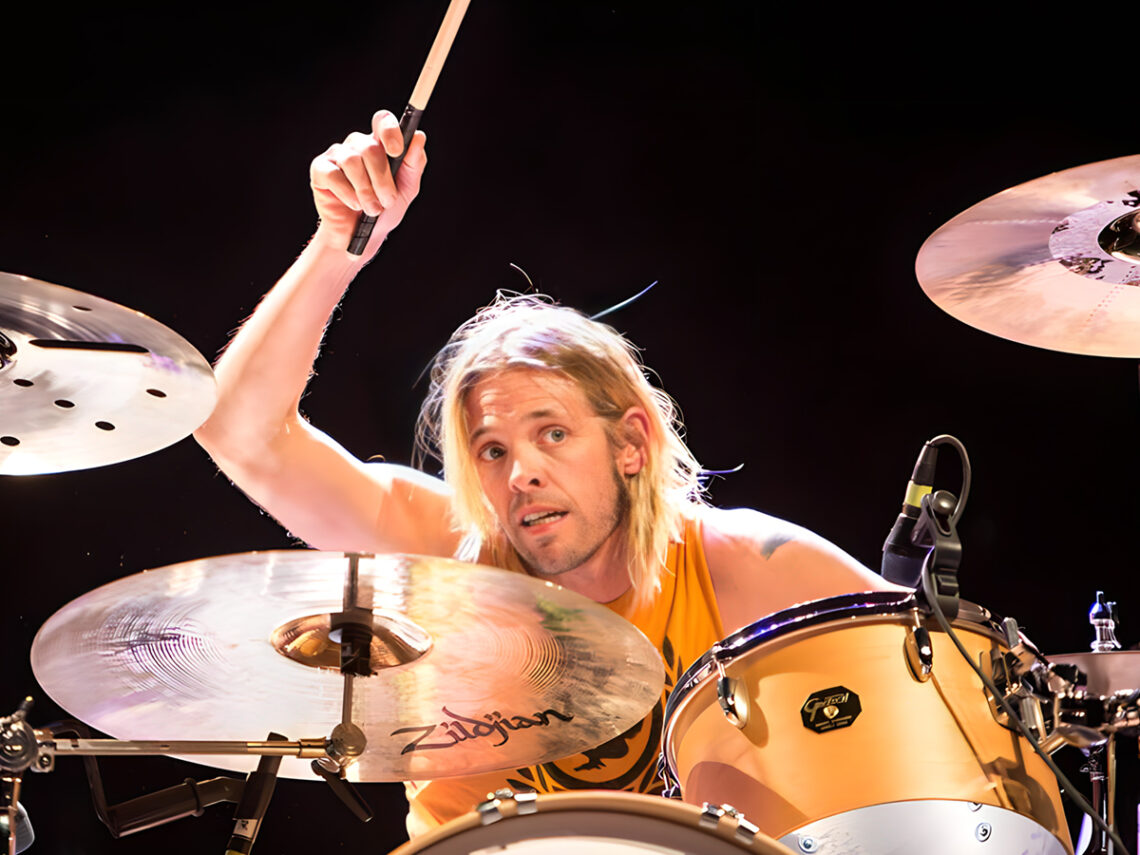
When interviewed by Filter in 2005 about their favourite records of all time, Foo Fighters’ Taylor Hawkins and Nate Mendel heaped praise on Odessey and Oracle, with Hawkins stating that he believed it to be “the lost Sgt. Pepper.”
Continuing to explain the unusual legacy behind the record, he divulged that it “was recorded at Abbey Road around the same time, but it tanked” before acknowledging the sudden resurgence it had after the band called it a day. “A year later, ‘Time Of The Season’ got big in America,” Hawkins explained, referring to the album’s closing track, which was released via Date Records as a single in 1969.
“Nobody talked about that record forever,” Mendel added, “I thought I was the only one.”
While there are now plenty who talk about this unsung treasure of a record, it took far too long for it to get its flowers, and was sadly the last thing the band would do together for 23 years before they reformed for New World. The band’s legacy is now far stronger thanks to the delayed praise they received for Odessey and Oracle, but who knows what they could have gone on to achieve if they had been rightfully lauded for it at the time.
