


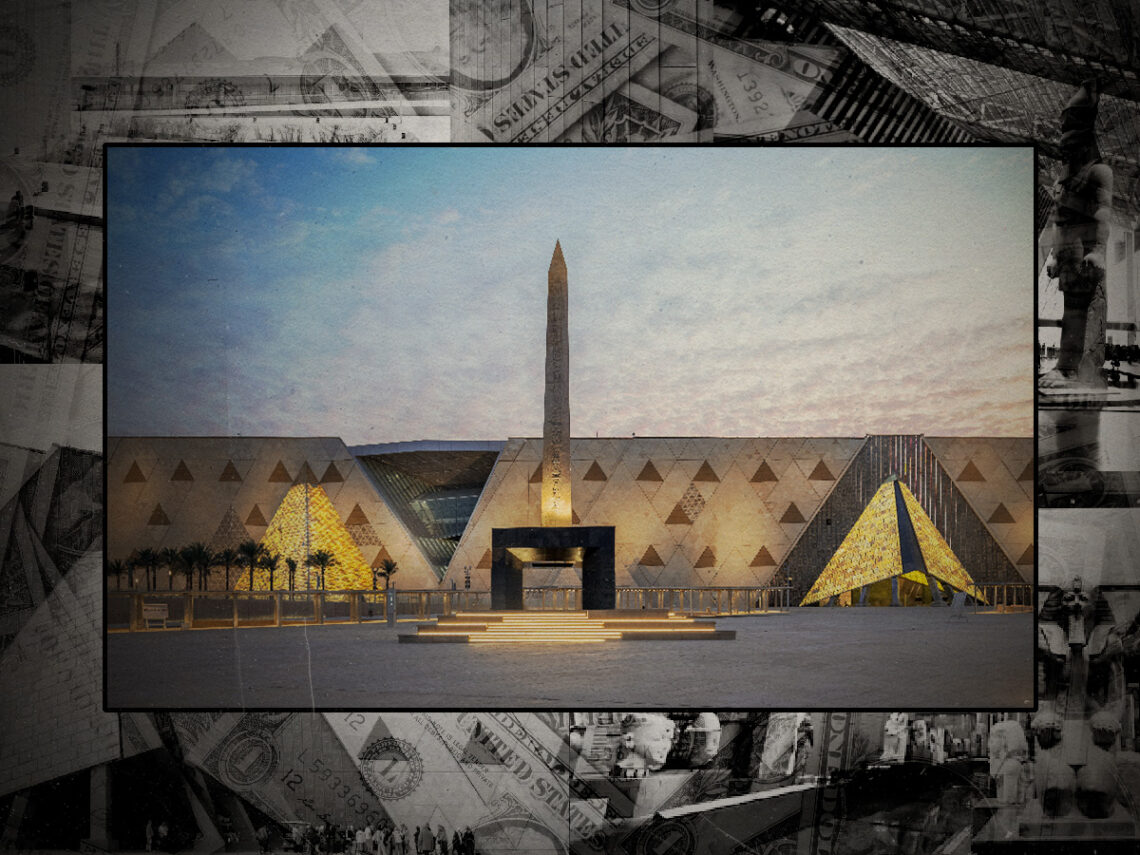
Is the Grand Egyptian Museum the most expensive in history?

As a kid growing up in the UK, there was nothing that appealed to me like Ancient Egypt. Dinosaurs and World War II were up there, and both periods of history that young me was interested in, but Ancient Egypt was something else.
Mummies, pyramids, curses, gold, pharaohs, sphinxes, treasure, mystery: Nothing else in the world could compete with that, and now the history of that iconic period has a new home in the Grand Egyptian Museum, the official opening of which in November 2025 was a long time coming.
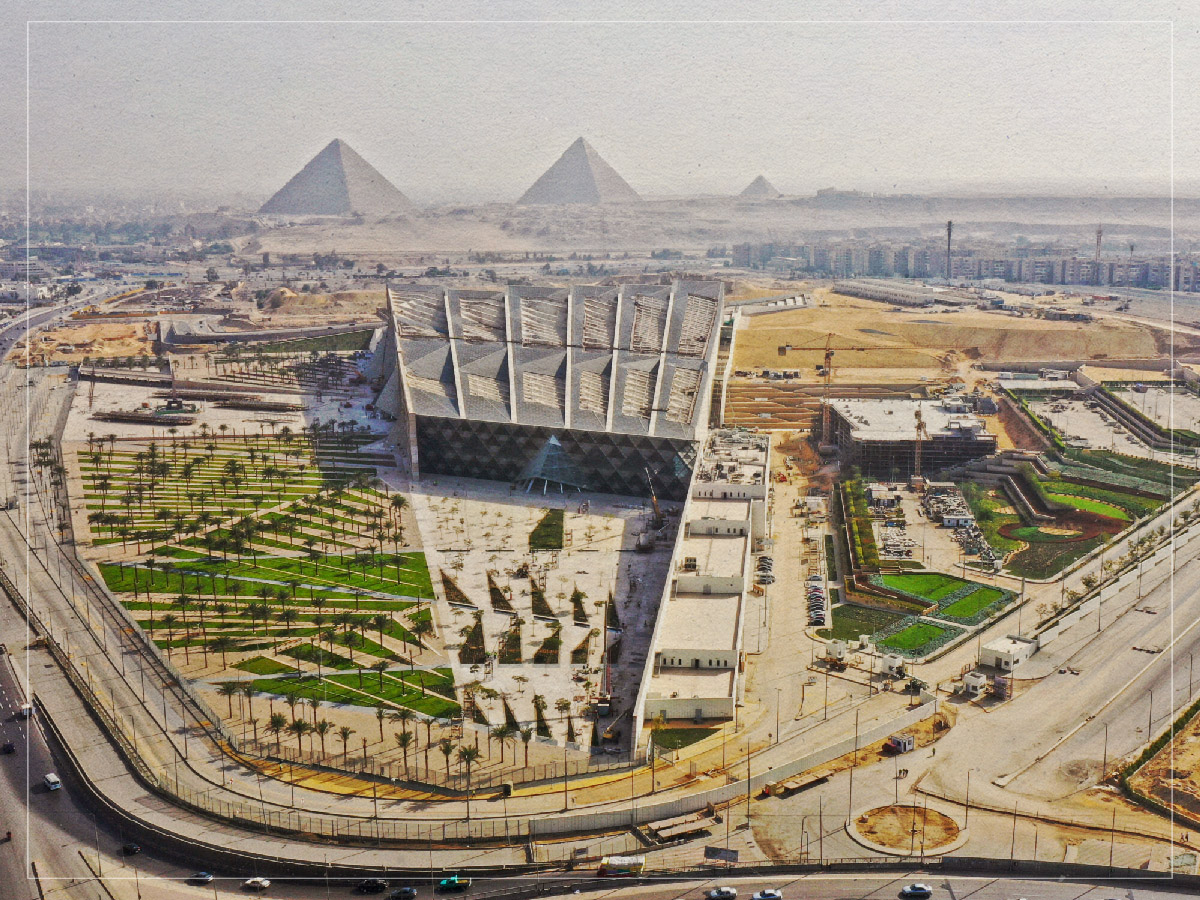
The museum was officially announced in 1992, news that wouldn’t have been online, with the World Wide Web not a reality until 1994. This was a pre-smartphone, pre-PlayStation world, and one which was still years away from the first The Mummy movie. It wasn’t until over 30 years later that the building was finished in 2023, with its striking architecture boasting a large opening space and a mind-blowing view of the Giza Pyramid Complex in the distance, just over a mile away.
This building is huge, covering multiple eras of Egyptian civilisation and chock-a-block with artefacts, with an estimate of over 100,000 in total. It’s believed that 20% of those have never been seen by the public before, including the full and complete collection from the most famous pharaoh’s tomb, that of King Tutankhamun. Unsurprisingly, it cost a lot of cash, also raising the query of where the Grand Egyptian Museum ranks in terms of the world’s most expensive museums.
We’re talking the cost to build here, not of the entry ticket or the value of the collections. However, in terms of cost to enter, the Grand Egyptian Museum is solid value, coming in at 1,450 EGP, just shy of £25. That seems fair given the beauty of the site and the history held within, and certainly a more appealing way to spend that cash than the similarly priced Museum of Ice Cream in Singapore.
Let’s be honest here, the value of the collection, particularly to the country itself, is priceless. That said, it’s commonly believed that The Louvre holds the most expensive collection, with a “likely minimum value” of £26billion. Given the artists’ works inside, that isn’t a shock, especially with Leonardo da Vinci’s Mona Lisa estimated up to £1b on its own. The British Museum is another held in similar regard, which again isn’t unexpected given that it holds priceless artefacts from nearly every country on the planet, but the less said about that, the better.
Now onto actual cost, and a number of the leading runners aren’t amongst the world’s better-known museums, such as the Musée du Quai Branly–Jacques Chirac in Paris, which cost over £200m when it opened in 2006. It was designed by French architect Jean Nouvel and hosts indigenous art from Africa, Asia and the Americas, with over 1,000,000 objects in its collection and just 3,500 on display at once.
Oslo’s Nasjonalmuseet, that is the National Museum, cost over £500m to construct and was built when the Museum of Architecture, the Museum of Industrial Art, the Museum of Decorative Arts and Design, the Museum of Contemporary Art, and the National Gallery of Norway were merged in 2022 forming a huge new brutalist structure in the nation’s capital, with Edvard Munch’s The Scream being it’s most renowned work.
The second most expensive museum ever was Berlin’s Humboldt Forum, and unlike the others on the list, this isn’t a new building, having originally been built in 1443. However, the years have seen the structure go through many changes, including demolition, thanks in part to the various wars and changing political eras in Germany, and what we see now was completed in 2020 at the huge sum of £600m, and sees the building fully restored and ready for generations ahead.
That brings us to the winner, the most expensive museum ever built, and unsurprisingly, it is the Grand Egyptian Museum. It’s believed that this project cost £900m in total, partly due to its notable size and the crucial climate-controlled infrastructure that’s essential to being able to house such old and fragile pieces. The museum covers a total area of 500,000 square metres, and it’s unlikely that the cost of this Roisin Heneghan and Shi-Fu Peng-designed masterpiece will be topped for generations.
