


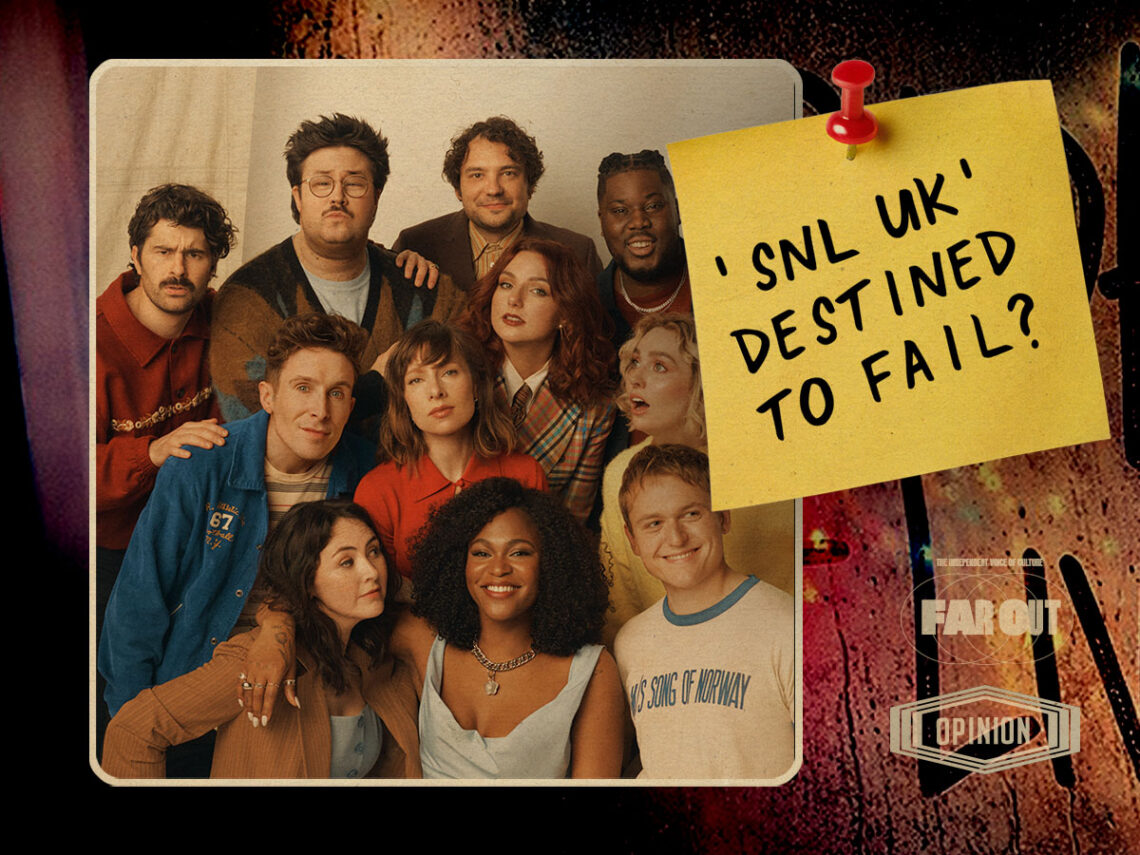
Is ‘Saturday Night Live UK’ destined to fail, even if it does everything right?

In the early 1970s, comedy writer Lorne Michaels went to NBC’s head of late-night television programming with an idea for a “comedy show” for “young, urban adults”. The network was keen on that demographic, though they weren’t sure the format would work. With no pilot, no framework, and nothing other than sheer belief, Michaels set out to take his vision before a live audience, hoping that something might stick.
Much of what made Saturday Night Live tick in those early days – and to an extent today, too – was Michaels’ “try it and see” mindset. In fact, he even once said that much of the developmental stage required him just sitting around and thinking a lot, which resulted in much of the framework we still recognise today: familiar cast members, musical guests, and other silly skits and concepts.
One part that worked back then, and still very much serves it today, is that it also thrives on being the furthest thing from perfect. Many of SNL’s best moments are ones in which hosts or cast members break character, or when the set, costumes, or accompanying props seem like something you’d find in the back of a school theatre department. This was also part of Michael’s vision: everything needed to look “ragged” and “run-down”, a bit like a capsule capturing the same sense of gritty realness in its very own New York City.
As such, SNL quickly became America’s flagship show, and not only demonstrated the potential of sketch comedy across the board but also helped to launch the careers of some of the industry’s biggest names, including Tina Fey, Amy Poehler, Kristen Wiig, Chris Rock, and more. Today, it remains hugely popular despite its relative split reputation, thriving not only with its loyal Saturday viewership but within the current culture of social media and bite-sized sketch-like content online – the ideal setup to continue to secure modern audiences.
Much of that longevity, of course, relies on the names attached to each weekly rollout, but these elements by and large only work because American audiences are still charmed by its comedic skit style – something that undeniably died a death not all that long ago in the UK, where sketch shows not only face the struggle of longterm sustainability and mainstream appeal but also genuine cultural relevance.
Not too long ago, UK television programming was inundated with sketch formats, led in a big part by the BBC with shows like The League of Gentlemen, That Mitchell and Webb Look, Psychoville, The Mighty Boosh, and Little Britain. It also became a central component in many of the UK’s charity shows, like Comic Relief and Children in Need, which engaged viewers with lighthearted antics amid the heart of the project’s core messages.
Except for projects like Inside No 9, however, these types of shows have largely vanished from screens, replaced instead by longer form, nuanced storytelling – in which comedy has a specific context and is often used as a tool to enrich the narrative, not as a sole driver or central driving point. That shift makes the continued success of SNL in the US make sense, and its arrival in the UK feels especially intriguing, raising the question of whether SNL UK is destined to fail, even if it does everything right.
Will SNL UK break the sketch comedy curse?
When you look at all the reasons why sketch comedy in the UK diminished, one was most certainly its reliance on stereotyping and derogatory language. Little Britain was perhaps the best and most defining example of this, especially when it comes to the ways that sketch comedy used to poke fun at many of the country’s most vulnerable or oppressed groups, creating an atmosphere engineered to perpetuate prejudices and Britain’s problematic “us and them” mindset.
Not all sketch comedies leaned into this, but many from that era did, making their place in modern culture difficult unless they change to become more tonally and conceptually inclusive, much like their counterparts over in America. However, the problem then becomes about whether that style of comedy actually resonates with UK audiences, and given the general feeling towards sketch and SNL in the UK as it stands, all indications point to it being far too “cringe-worthy” and high-energy to draw people in.

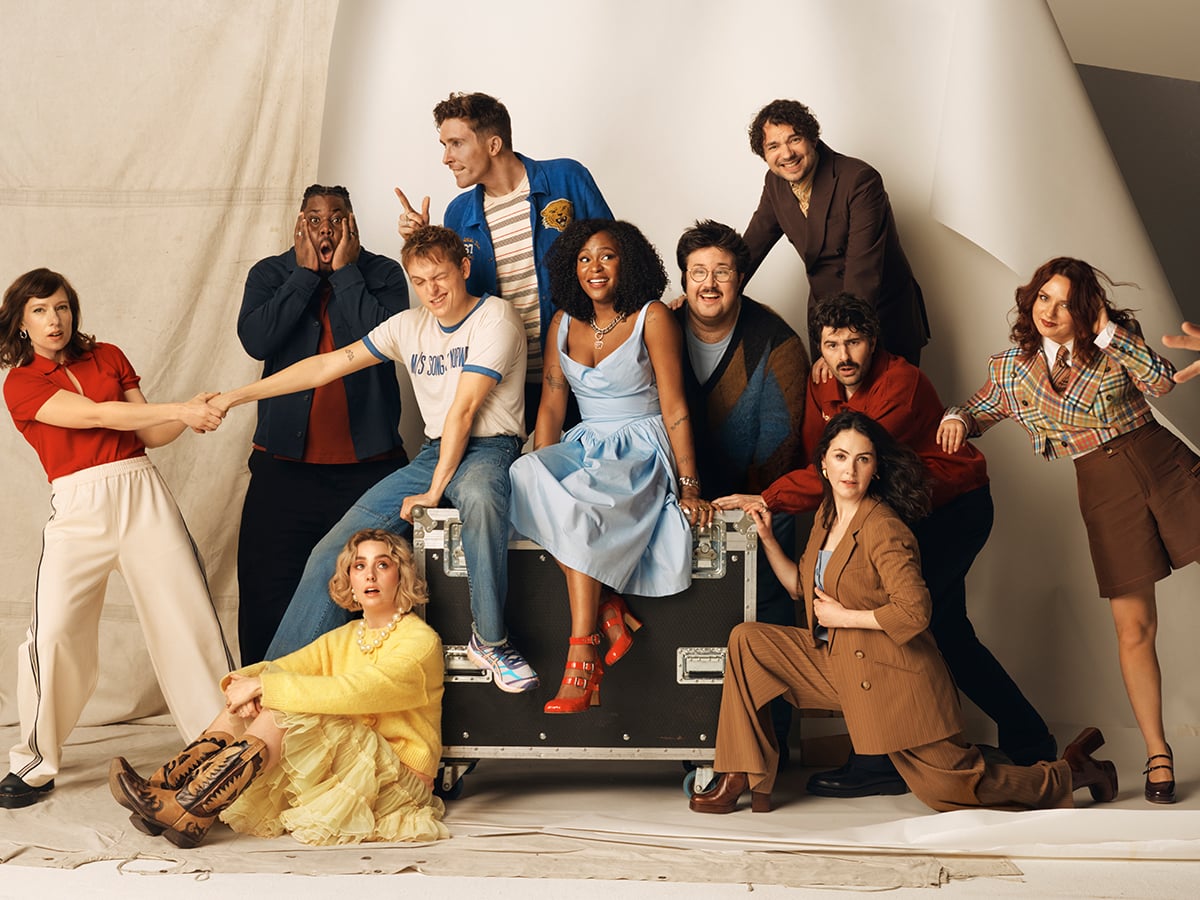
The first run of UK shows boasts a good ensemble of talent, including one of SNL’s most prized alumni, Tina Fey, as well as musical guests Wolf Alice, Wet Leg, and Kasabian. Thus, it’s clear that it’s set up for a good build of momentum across its initial run of shows, promising a mix of high-profile figures and guest variety. It’s also likely being curated with all of these cultural factors in mind, with all the necessary tweaks being made to ensure it gets off to a flying start, considering the pressure already present from the show’s longstanding legacy.
However, even with all of these familiar SNL hallmarks adapted for a UK audience, SNL UK might trail off after the immediate interest, failing to grip onto audiences who have an appetite for richer, more societally embedded texts that feel both familiar and meaningful.
There is, of course, potential for the show to completely change the landscape and introduce a newer, fresher, and more relevant version of the format that positions it as something that is both escapist and societally significant, but this will only work if it leans more towards the dry, intellectual charm of shows like Taskmaster and ditches the dated style of the British oldies and overbearing humour geared towards American audiences.
