

Phoebe Waller-Bridge may be the ‘Indiana Jones 5’ lead
Read More


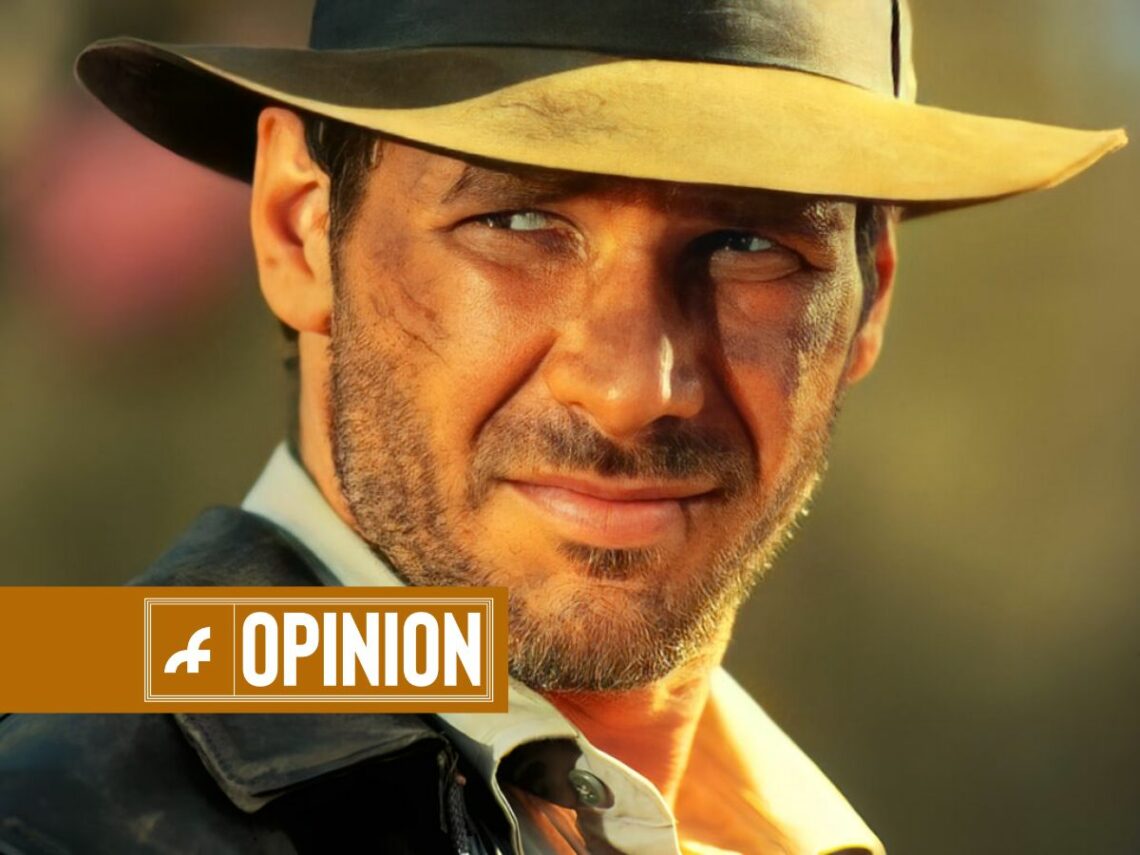
If not a lie, George Lucas spoke a half-truth when he told Steven Spielberg that he had a trilogy planned for Indiana Jones. He did work on a trilogy, but he didn’t put any of the ideas to paper until after the release of Raiders of the Lost Ark. And although Temple of Doom was original enough to survive this indiscretion, Last Crusade plunges along like the squeak of a Ferrari being brought out for one more round of glory.
Over time, a hustle of fans has held Last Crusade up as one of the series’ success stories, especially considering the daring risks of the entries that came immediately before and after it. But save the obvious casting of James Bond as Indy’s daddy, and some gut-punch sight gags, the film takes the archaeologist on his most pedestrian adventure yet. And that’s something Indiana Jones should never be: pedestrian.
It’s a fast-moving, badly written capper to a decade that had spawned a masterpiece of action cinema, and a clever reinvention of the wheel. It also marks a turning point for director Steven Spielberg, who was growing visibly bored of popcorn cinema and spent the 1990s directing a series of intuitive screenplays, garnering him two ‘Best Director’ Oscars in the process.
It also marks a turning point for Harrison Ford, who was growing visibly bored of the action genre and spent much of the following decade delving into lo-fi dramas that showcased his vulnerability as an actor. By the turn of the 2000s, Spielberg and Ford felt sufficiently rejuvenated to return to a genre that had previously been “beneath” them, which might explain why Kingdom of The Crystal Skull is the most infectious and delightful to watch on first viewing of the four.
That said, the series did manage to nab Sean Connery for the co-starring role, which likely explained its box office appeal. Indeed, it outgrossed Licence to Kill at the American box office, although in hindsight this was a poor outcome, especially considering the emotionally coiled performance Timothy Dalton delivered as James Bond. Last Crusade, by contrast, is guilty of toning down the violence, in a last-ditch effort to get more families in, after the shock horror effects of Temple of Doom left many parents feeling suspicious of the franchise.
In that sense, Last Crusade feels disappointing, pandering to an audience it was never expected to deliver to, especially considering the harder-boiled nature of Lucas’ vision. At one point, Indy spares the life of a man who tried to burn in a rat-infested cave, just to show potential parents that he has “grown” as a person. Honestly, the film just stops short of shooting custard from the rifles, as there’s very little blood seen onscreen. The ricocheting bullets have been lightened to peck against the eardrums, and none of the setpieces, no matter how grand, match the urgency of the truck chase in Raiders.
Tension has been replaced by slapstick, which doesn’t suit the brooding Harrison Ford, and the film fails to square him up against a worthwhile female lead. Alison Doody is quite hopeless as Elsa Schneider, having neither the menace of Marion Ravenwood, nor the magnetism of Willie Scott, but portrays a dilettante who will happily sleep with a father and a son to get to where she’s going in life. In a series of questionable female roles, Schneider is easily the laziest, complete with a haggard, hackneyed German accent to boot.
More happily, Connery proves himself to be an enjoyable co-lead, punching up the slagging runtime with a collection of tasty zingers. “Take it easy?” he bellows. “Why do you think I sent it home in the first place? So that it wouldn’t fall into their hands!” Even after the risible epics Highlander and The Untouchables, the Scottish born actor showed there was a fire in his bellow, and he seems relaxed, clearly enjoying the chance to play sidekick over the hero. No, he doesn’t have the ineffable charm of Short Round, but he doesn’t have to, gifting the parents of the audience a direct peer throughout the proceedings. Connery’s character even gets the best laugh from the film, using his umbrella to bring down an approaching fire plane, in a style that is infinitely more Patrick MacNee than OO7.
There’s a case to be made that Last Crusade is the most quintessentially British of the films, which is disappointing, considering the pulse-pounding American nature of the other three movies is what drove audiences to see them in the first place. Say what you will about the bravura, but it was a quirk few on this island could pull off before Daniel Craig came along. On the more sinister side of action drama, Licence to Kill showed just how well British actors could pull off probing, pulsating spectacle by pushing its lead to the edges of insanity in an effort to atone for past misgivings.
Measured against Licence to Kill, not forgetting the Indiana Jones films that came before it, the producers made the wise decision to take a hiatus from the character until their creative mojo felt ready to face up to the challenge with a fourth feature. And boy, was it worth the wait.
