


‘In The Baleen’: the most peculiar album to come out of the pandemic

As the clock counted down on December 31st, 2019, people kissed, popped champagne, and sang ‘Auld Lang Syne’ before chatter dissipated into talk of resolutions and what they hoped 2020 might bring them. What actually happened was one of the most unpredictable and traumatising years recent generations have faced.
2022 and 2023 have been regenerative in the aftermath of the pandemic, in a true sense of normality being re-established and in art catching up with the modern world again. For a short time, there was little that people could write about or express feelings towards because only one thing truly impacted everyone worldwide. Even things that didn’t reference the pandemic, because they were made during it, still pertained to it.
In one sense, Covid was a unifying experience, as it is one of the first times in recent history that the world has had a common enemy. As stressful and terrible as the period was, and despite how tough it was for people to be so far apart, they have also never been closer together. Group Zoom calls became a regular occurrence; people were open to talk about how the lockdown was affecting them, and in some way or another, we got through it.
Because the art that came out at the time referenced the pandemic, the attitudes towards creating it and the things that were created varied. This is because people approach difficult times differently, so while some made songs of low mood and nihilism, others were optimistic. Undoubtedly, one of the most peculiar albums of the pandemic goes to Sunfoot, who, during intermittent lockdowns, got together to record In The Baleen.
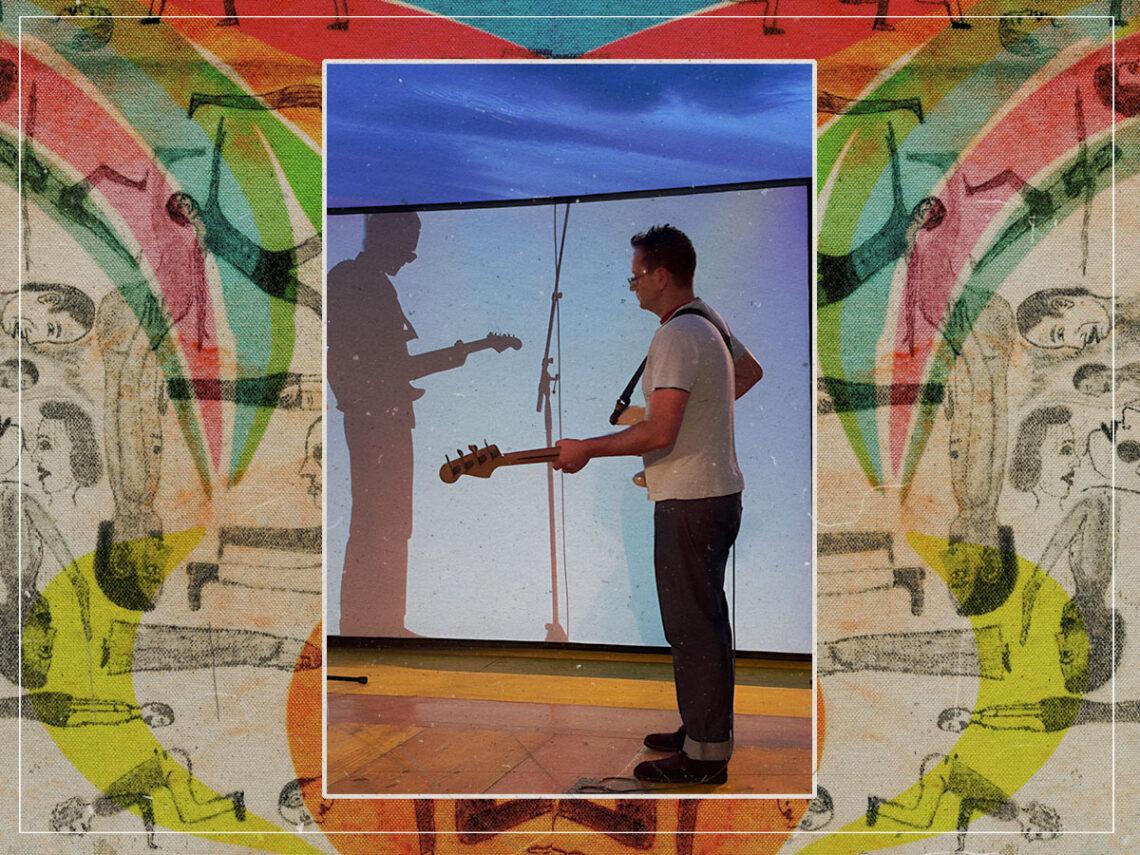
While many communicated using online video apps, Sun Foot opted to talk through music instead. They stayed in separate quarters of the Sou’wester trailer hotel and would meet daily, face masks on, hardly speaking, standing in different corners of the room to make music together. The result is a highly experimental and disjointed record, but it has a sweet-sounding background and a range of genres at play. Arguably, it is the most poignant record of the pandemic.
The album is experimental, and therefore, a lot of the time, it can sound off-kilter and chaotic. The world at the time was also uneven and messy; thus, sonically, the album reflects the circumstances surrounding its creation. At the same time, the tone is uplifting, synth sounds are in the background, and the vocals are sung upbeat; it’s hard not to feel slightly joyous when listening. It’s an odd parallel to the pandemic, which offered unity in a crisis and a sense of happiness in disjointed chaos.
Finally, the album takes on a whole new meaning when you learn that the drummer, Ron Burns, sadly passed away when the album was mixed. As such, you are listening to an odd representation of a confusing time in history and the communication of three best friends during some of their last days together. The album carries a cultural and emotional significance, making it more than just a listening experience; it also adopts spiritual relevance.
As the band’s love for music has carried them through hard times, so too does this album usher the listener through times of tribulation. It is oddly accurate and incredibly peculiar but stunning in every sense.
