


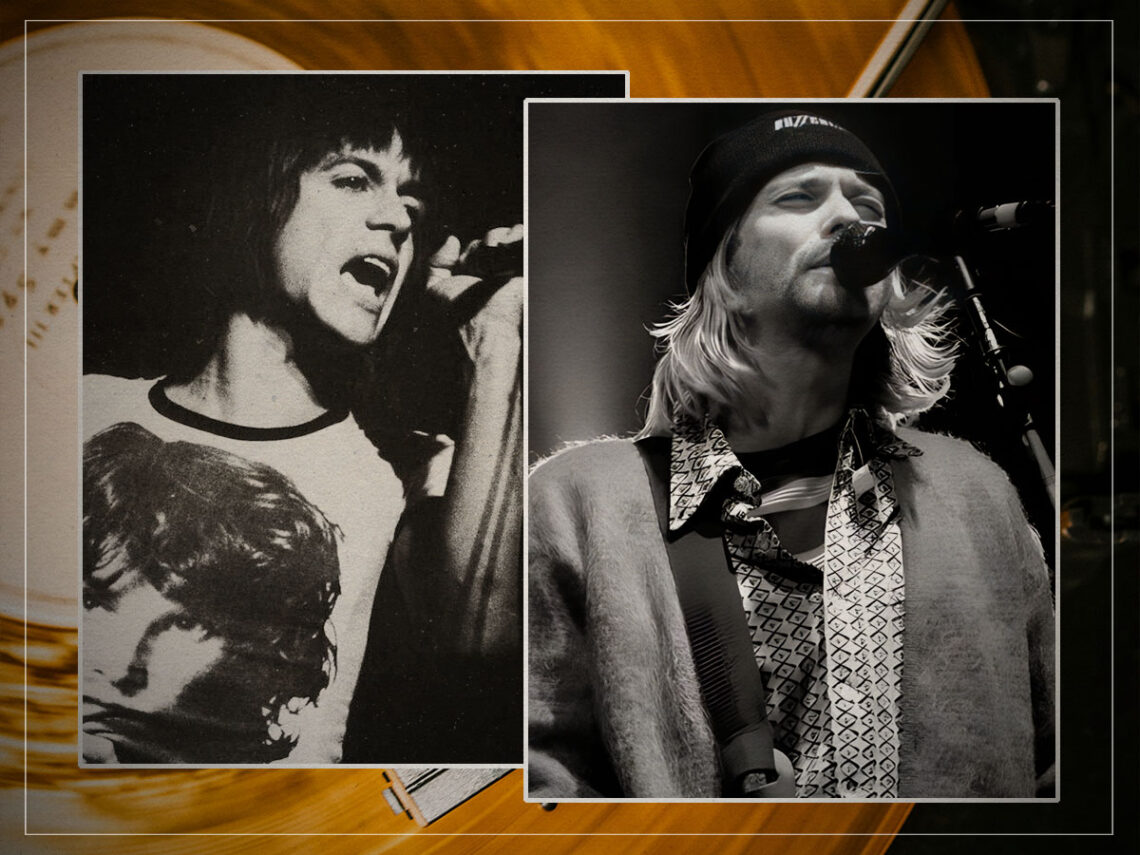
Iggy Pop’s greatest album, according to Kurt Cobain

Kurt Cobain’s definition of punk was pretty close to the spirit of Iggy Pop.
“Punk is musical freedom. It’s saying, doing and playing what you want,” the Nirvana frontman said. “In Webster’s terms, ‘nirvana’ means freedom from pain, suffering and the external world, and that’s pretty close to my definition of punk rock.”
The fact that Iggy Pop could slash his chest with a broken beer bottle without flinching stands as proof that he was pretty much free from pain when he was on stage, at least. The fact that he was threatening biker gangs also suggests he was fairly unperturbed about pain when he was off stage, too. The raving Stooges frontman was beyond the paradigm of punk to come – somehow proto-punk, and yet a step beyond what would follow.
This is exactly the reason why Cobain viewed him as a hero. The mantra of the Stooges was summarised perfectly by Lou Reed, who wrote in testimony to their output: “I have always loved Raw Power. I like the sound – the honest sound of young guys trying to break the barrier of stilted moulded sterile rock. And they did. Great guitar and wonderful vocals from Iggy. And inspiration for young men to this day.”
Nirvana wanted to match that; they wanted to usurp hair metal with something as fresh as what the Stooges had offered before them. Cobain turned to one album continually during that pursuit: Raw Power.
“I met Iggy Pop before we were rock ’n’ roll stars, and he is pretty much the only person that I’ve met that I really, really admire and like”.
Kurt Cobain
When recently discussing the pivotal importance of the record on what followed in guitar music with Charlie Steen of the post-punk band Shame, the Londoner explained, “Only three albums to their name and these three records seem to have altered the fate and direction of so much that came after them. The list of artists that cite this band as the reason they picked up an instrument is endless.” It seems Cobain was chief among them.
He took the same inspiration from the group as Steen. “It seems as if this band has nothing to lose when you listen to them. No willingness to sacrifice their sound in hopes of achieving a high rank in the charts. No sign of trying to mould themselves to be something they were not,” he continued. “Nobody had seen anything like them at the time and nobody has seen or heard anything as real as them since.”
That same outlook made records like Nevermind unlikely behemoths. While the Stooges’ third album might have only risen to a baffling 183 in the charts back in 1973, its legacy could not be denied by wavering commercialism. Youngsters like Cobain saw that as a sign of success rather than failure.
Thankfully, it wasn’t a case of never meet your heroes for the Nirvana boys either. “I met Iggy Pop before we were rock ’n’ roll stars, and he is pretty much the only person that I’ve met that I really, really admire and like,” Cobain once recalled.
This meeting only further compounded his influence on the band, as Cobain would explain in 1989 before his band blew up. “Maybe we’re more like the Stooges type of punk rock, before punk rock was a trendy fashion statement. And, where people would expect to try to act as punk rock as possible. It seemed that when Iggy was playing to his audience, he dove out into the audience and cut himself up because he wanted this audience to act like that. Or, he wanted to create an environment the way that he felt,” he said.
Continuing, he added: “And at the time, the audience response was just, basically, heckling. And, um, there for their entertainment, not to really get into the music. So, nowadays, I think that… The band and the audience participate together. And it just seems more like the way punk rock should be, or the way punk rock finally has become. To where people have a little respect for each other and are trying to have fun at the same time. Other than throwing bottles at each other and sticking pins through their noses.”
