


The iconic singer that Bono called the “English Elvis”

If you trace back the lineage of the rock frontman, Elvis Presley should be considered ground zero. There had been electrifying entertainers before, like Little Richard and Chuck Berry, but having someone at the front of the stage with the sole purpose of entertaining the audience by singing always came down to Presley shaking his ass and lighting a fire in the belly of every wannabe rockstar.
Not many people could fill those shoes, but Bono thought that David Bowie could handle that responsibility without breaking a sweat.
That comparison speaks less to imitation and more to presence. What Presley established wasn’t just a sound, but a blueprint for how a frontman could command attention, something Bowie reinterpreted in his own distinctly theatrical way.
Rather than follow in Presley’s footsteps directly, Bowie expanded the role altogether. He turned the idea of a frontman into something fluid and transformative, proving that charisma could come not just from raw energy, but from reinvention and artistic daring.
Then again, Bowie’s music was far from the traditional rockabilly sound that Presley was known for. In fact, Bowie’s ability to explore every creative avenue he could imagine and consistently produce high-quality work arguably puts him a notch above Presley. Unlike Presley, whose syrupy ballads during his movie years are best left forgotten, Bowie’s adventurous spirit and versatility set him apart.

When Bowie first rose to prominence, though, the music world looked a lot different than the one in which Presley started. ‘The King of Rock and Roll’ had begun life in the sounds of blues, whereas Bowie got his feet wet listening to everything under the sun, including avant-garde music, old-time rock and roll, pop, and the oncoming hippy revolution emerging in the 1960s.
That’s not to say Bowie didn’t borrow from Presley’s playbook. Despite his otherworldly appearance, Ziggy Stardust seemed modelled on elements of Presley’s onstage persona. Bowie often used his guitar as a prop and captivated the audience with his sheer presence, much like Presley did.

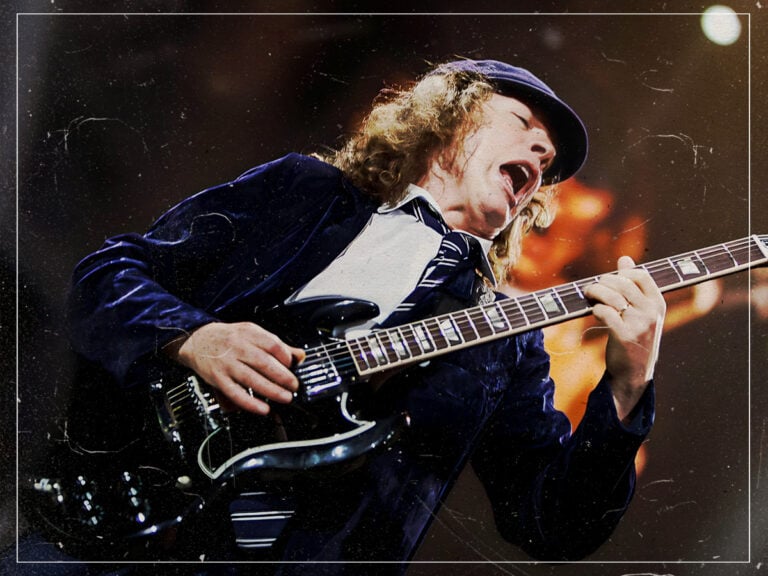
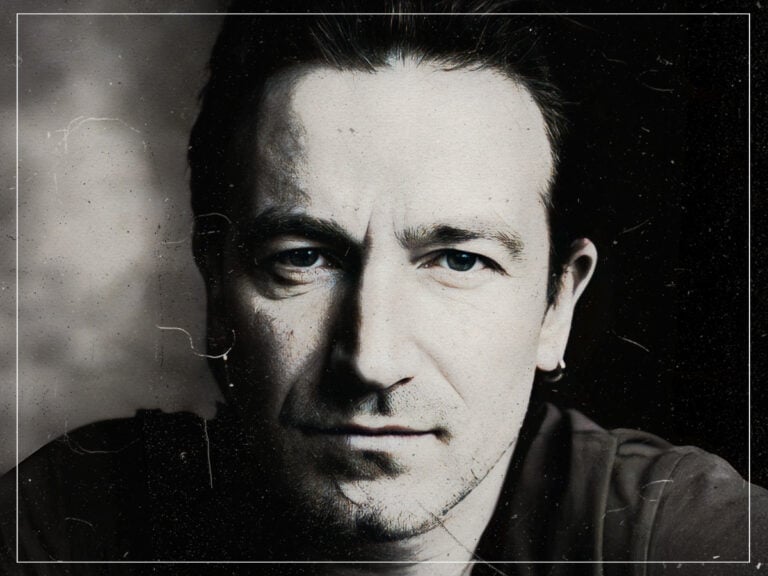
Though both artists came from different worlds, Bono never thought they were all that different, telling Rolling Stone, “[He was] gigantic, the English Elvis. Bowie was much more responsible for the aesthetic of punk rock than he’s been given credit for. I put his records up in my bedroom. We played ‘Suffragette City’ in that first wedding band phase.”
Bono isn’t far off in that punk credit, either. Bowie never claimed to be a punk rocker throughout his career or anything, but much like Presley ignited fires whenever he performed, so too did Bowie helped many musical eccentrics embrace their strange anomalies and start banging out songs of their own on whatever setup they had lying around.
And if you look at the way that Bono conducted himself, there was always a mixture of both Presley and Bowie in there as well. Sure, he could have had more of the artsy persona of Bowie whenever he put on different characters during the Achtung Baby era, but his status as one of the reigning kings of rock and roll during The Joshua Tree saw him trying on that same kind of larger-than-life angle that Presley did so effortlessly.
Does that kind of overly confident frontman role get more than a little bit insufferable at times? Absolutely, but that doesn’t mean we should write it off on principle. This was just about Bono finding himself as a frontman, and with the guidance of frontmen like Presley and Bowie, he got legions of fans to see him as one of the greatest spokesmen of his generation.
