


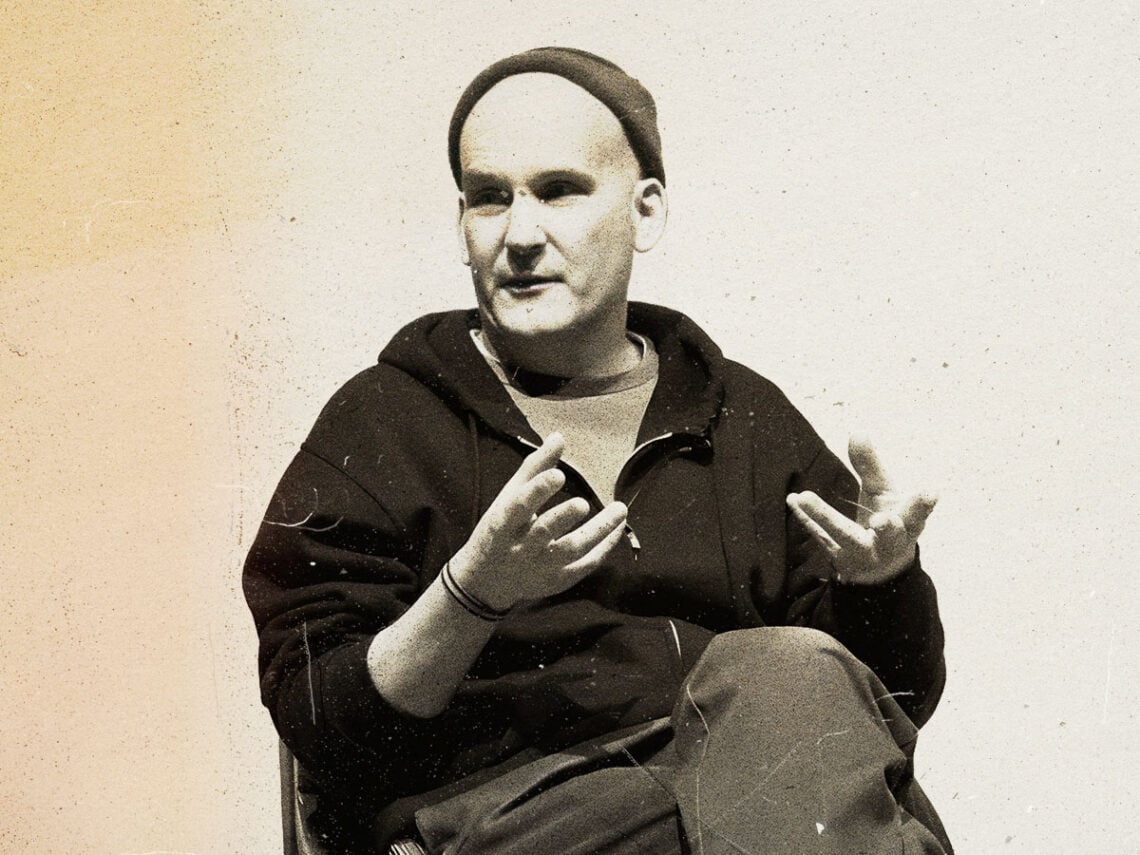
Ian MacKaye on the “depressing” state of the music industry

When it comes to true punks, no one is more ferociously steadfast in embracing its ethos than the frontman of Minor Threat and Fugazi, Ian MacKaye. Along with those big names of the hardcore and post-hardcore scenes, MacKaye has also played with the Teen Idles, Embrace, Pailhead and Ministry.
The co-founder and owner of independent record label Dischord is also known for coining the “straight edge” term, often used in the hardcore scene to explain the philosophy of abstaining from alcohol and recreational drugs, although he has previously admitted that he did not intend for it to become the movement it has done.
In an interview with Loud and Quiet, MacKaye once reflected on the way that music had changed since the glory days of hardcore punk, mostly for the worst. “Music is becoming content,” he said. “You can see it with these streaming services. You just sign up and subscribe to the service, and you get all this content.”
It’s that content, for MacKaye, that is damaging to the very conception of music itself. “It’s not music; it’s content,” he added. “They don’t care; the people that run those businesses do not give a fuck about music. What they care about is content; they want subscribers. I think even labels are moving in that direction too. It’s really depressing, but that’s the way it goes.”
The Fugazi and Minor Threat icon went on to reflect on how people perceived music over a hundred and fifty years ago. “If you think about the relationship people had to music in 1850,” he said, “Imagine what music meant to people, how rich it was; what’s happening now is music has been degraded.”
Indeed, music was a true art form back in the 19th Century; it meant something to people rather than being the commodity that it has become today. “But music is deep; it’s deeper than a lot of people truly understand,” MacKaye continued. “I understand there has been a marketplace built around music, but that’s not music; that’s just the marketplace, that’s just business. Music was here long before the music industry.”
It’s not just streamed and recorded music that MacKaye is concerned about, though. As any mainstay of the punk scene, his bread and butter is the good old live show. But, he believes that live venues have their eyes on motives other than providing great live entertainment.
“Venues, by and large, are bars, and their economy is based on the sales of alcohol,” he said. “There’s no ethical or moral issue around alcohol, on my part, per se, but at the end of the day, that is their economy, so what they are interested in is selling alcohol, and therefore they need clientele.”
He added, “A band’s audience is the clientele; the problem that you run into is that a new band with a new idea doesn’t have an audience yet, so if you’re a band who plays in a club, by and large, you’re already established.”
It’s that need to get punters in through the door and buying drinks that discourage promoters from putting new bands on big stages, or as MacKaye profoundly puts it, “The economics of it discourages innovation, but what I loved about punk rock was that the audience was just there, almost by default – there was no profit; profit wasn’t part of the equation.”
