


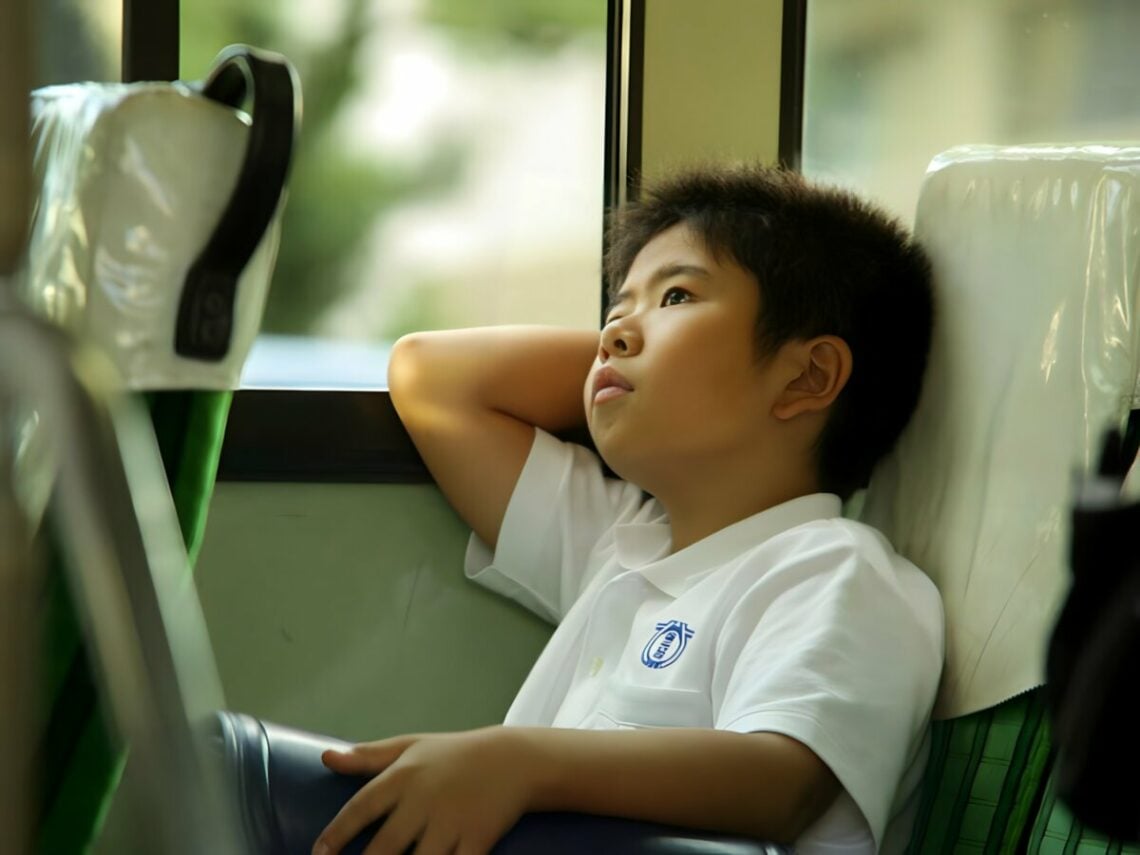
‘I Wish (Kiseki)’ – Hirokazu Koreeda

Set in the shadow of a simmering volcano ‘I Wish (Kiseki)’ examines the aftermath of a family break up as it’s counterparts come to terms with their change in circumstances. Seen through the eyes of the two young sons the audience has a window into suburban life of a Japanese family.
Following the breakdown of their parent’s marriage, the family split in two; one boy chose to stay with his mother and her parents, while the other moved with his father to a different city. Missing each other and the family unit, the boys hatch a plan to bring the family back together. Transfixed by the idea that when two bullet trains pass each other at high speed, a miracle can occur, the older brother coerces his younger sibling into meeting him at a midpoint between their two homes to watch this happen and make a wish.
The central idea of seeking a miracle helps the story to move at a steady pace and inspires some excitement in the viewer. But it is mainly a device to remind you of the hopefulness and imagination of youth. The story really is about how people learn to deal with change. The film is a gentle pondering of the challenges we face at each stage of our lives. From the young boys who see that there is a bigger picture outside their own universe. To their parents, who have to move on from the disappointment of their failed marriage and begin to redefine themselves. And the older generation of grandparents sees their lives slowing as their values and traditions are fading away.
The film is beautifully observed, it feels incredibly natural with thoughtful performances from all the cast. If this film were made in America, undoubtedly, it would end up feeling schmaltzy and saccharin, but instead, it is simple and honest. The children felt real; they had strong identities and perceptive thoughts that made them often seem more together than the adults around them. And through this maturity, they discover that sometimes what you think you want isn’t always for the best, which is an admirable conclusion to reach.
One small cultural point to note: There was an unintentional running joke throughout the film that had the cinema audience laughing over—you’ve guessed it—horsemeat. Evidently, the Japanese are a bit more open-minded about what they eat, as the young children were pretty keen to try horsemeat sashimi. Obviously, they don’t shop at Tesco.
