


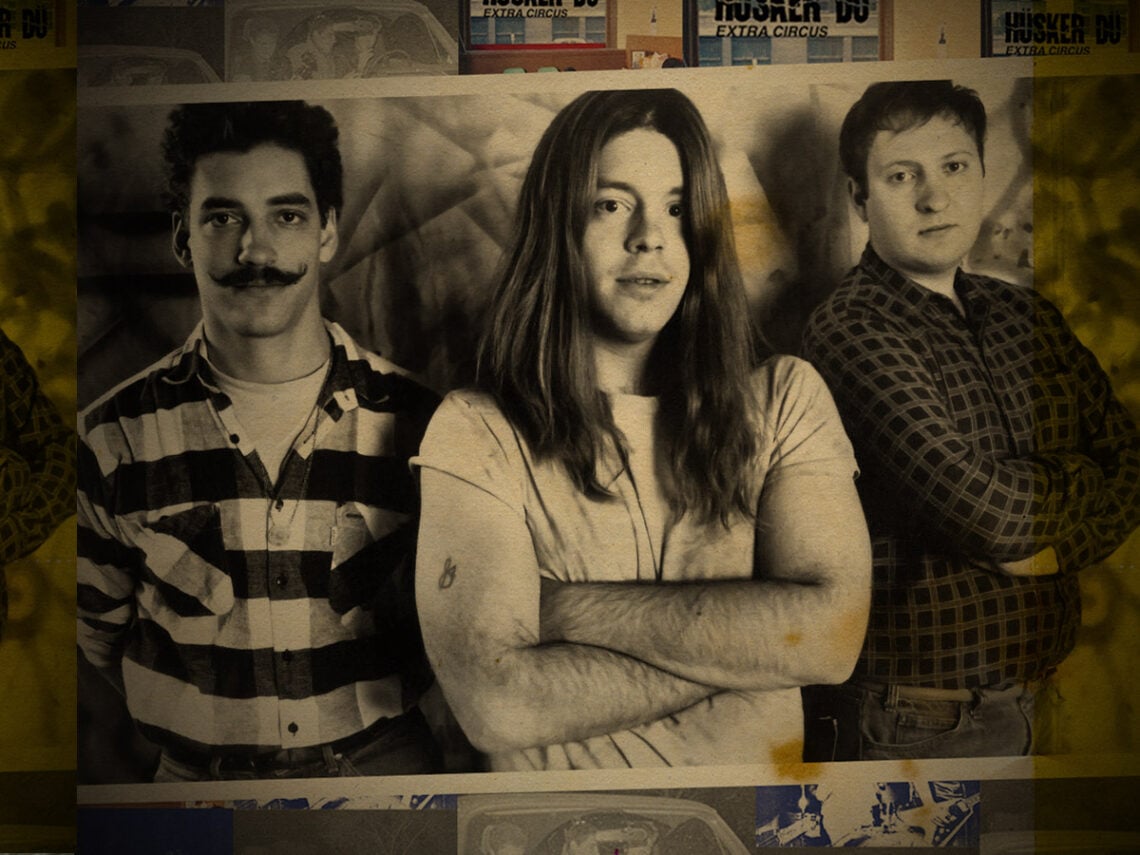
“I take full responsibility”: The tragic suicide that ended Hüsker Dü

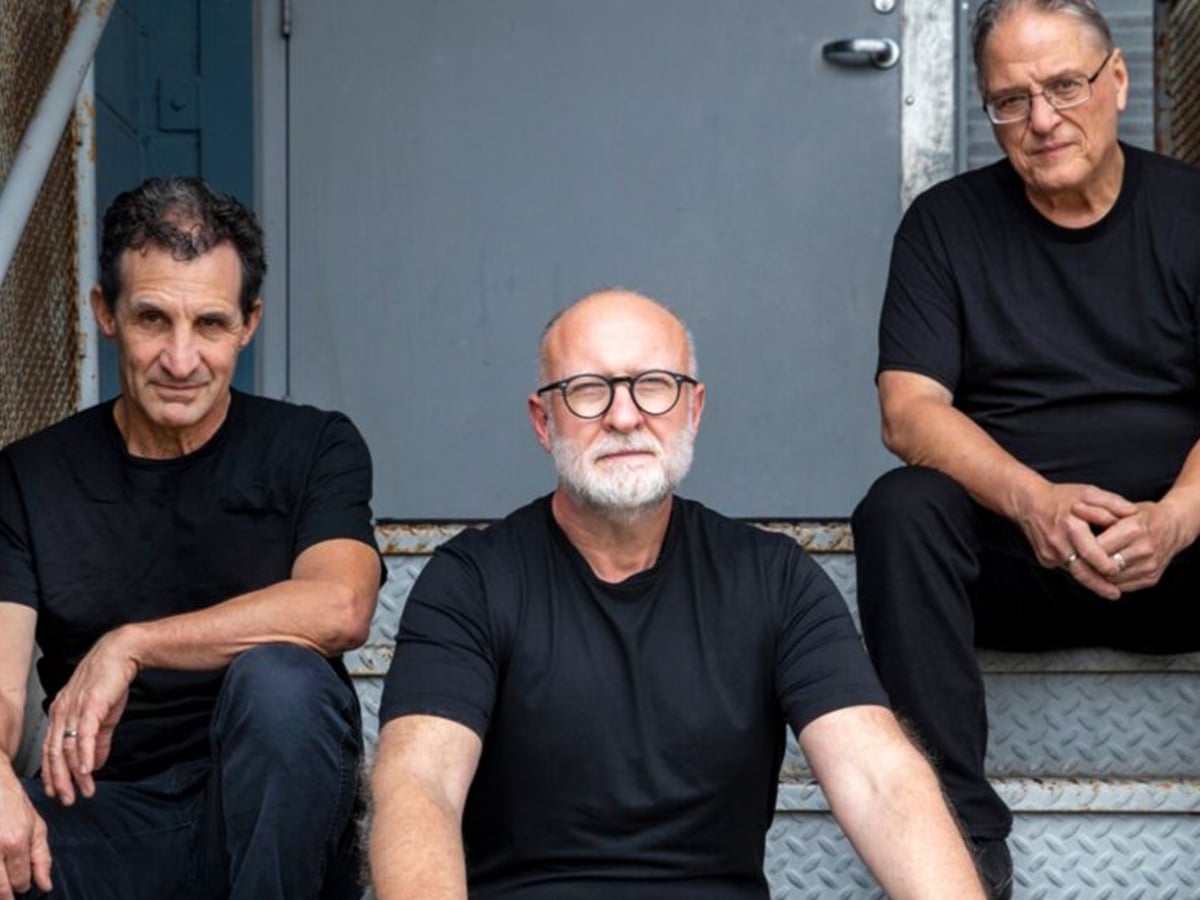
Last autumn, when Bob Mould announced that his 1990s alt-rock outfit Sugar would be touring for the first time in 30 years, it caught people off guard quite a bit more than your average nostalgia-bait reunion news.
That’s because Mould, now 65, has been on record countless times across four decades explaining why he wasn’t the sort of artist who was interested in rolling things back. In the case of his original project, the seminal Minneapolis punk band Hüsker Dü, he had certainly stuck by his guns, never reconvening with that line-up after its 1988 break-up, despite the very large payday it would have brought everyone involved.
In the 2000s and 2010s, just about every defunct indie rock group of any merit managed to set aside their old grudges and headline a festival or two, from the Pixies to Pavement to Hüsker Dü’s old Minnesota brethren in The Replacements. Mould, for better or worse, wasn’t tempted by that dangling carrot. As a result, the return of Sugar in 2026, somewhat unavoidably, has cast a fresh light on the story of Hüsker Dü, and why Mould was willing to reconvene the former and not the latter.
“Sugar is much more of a machine, like a rhythmic machine that moves at a constant rate,” Mould told the Trouser Press earlier this year, offering a loose explanation of sorts, “Hüsker Dü was three jet fighters racing to be first.”
Formed in 1979, the group started out as an aggressive and noisy hardcore punk trio, with Mould on vocals and guitar, Grant Hart on vocals and drums, and Greg Norton on bass. Signing to the revered punk label SST, run by Black Flag’s Greg Ginn, they were the first Midwest band folded into the inner circle of West Coast punk, but up until the release of their second album, 1984’s genre-redefining concept record Zen Arcade, they still maintained only a cult following outside of Minnesota.
“As time went on for me, it started to transition from being in a band that played in Minneapolis to a band that was on the road meeting and playing with other like-minded bands like Black Flag or Dead Kennedys or DOA or Strike Under or Naked Raygun, things like that,” Mould told Punk Planet in 2006, “Going up to Boston and seeing the hardcore scene there, you realised that you’re part of a bigger [thing]. Hüsker Dü was an integral part of something that was bigger than we thought.”
One person who played an important role in that realisation was a 22-year-old promoter and manager from Boston, Mass, named David Savoy, who was working with some like-minded New England bands in the mid ‘80s, including Expando Brain and Busted Statues.
“David was a Hüsker Dü fan,” Mould recalled in his 2011 memoir See a Little Light: The Trail of Rage and Melody, “He was tied into the Boston-area music scene, and he knew a lot of the same people we did. We all took a liking to him; he was a very pleasant guy, well-spoken, and with a nice, easy demeanour. He promoted two shows of ours in Massachusetts. After the December 1984 show in his hometown of Concord, we went to an all-night restaurant where David pulled a little prank on me. He gave me a Christmas present, this Hawaiian shirt that was way too short, so that when I put it on, my gut hung out the bottom. Everyone was laughing, and I thought, ‘This guy’s got a good sense of humour, how dare he do this?’ I still chuckle at the memory. I thought, ‘He’s someone we want to keep an eye on’.”
Roughly a year later, after the success of the increasingly melodic albums New Day Rising and Flip Your Wig, Hüsker Dü were offered a deal to leave the militantly independent SST for the major label Warner Brothers. This was several years before the college radio gods REM were given the same offer, and a full six years before the success of Nirvana blew open the divide between the underground and mainstream rock in the 1990s. To the disappointment of some fans, Mould and his bandmates took the deal, releasing their major label debut, Candy Apple Grey, in 1986, with him and Grant Hart still splitting the songwriting duties between them, as they had for several years.
“We’ve got complete freedom,” Hart told The Times in 1987, responding to one of the earliest cases of a ‘sellout’ controversy in indie rock, “It’s the same freedom that we had with the independent, except there’s dramatic improvement in several areas, especially distribution.”
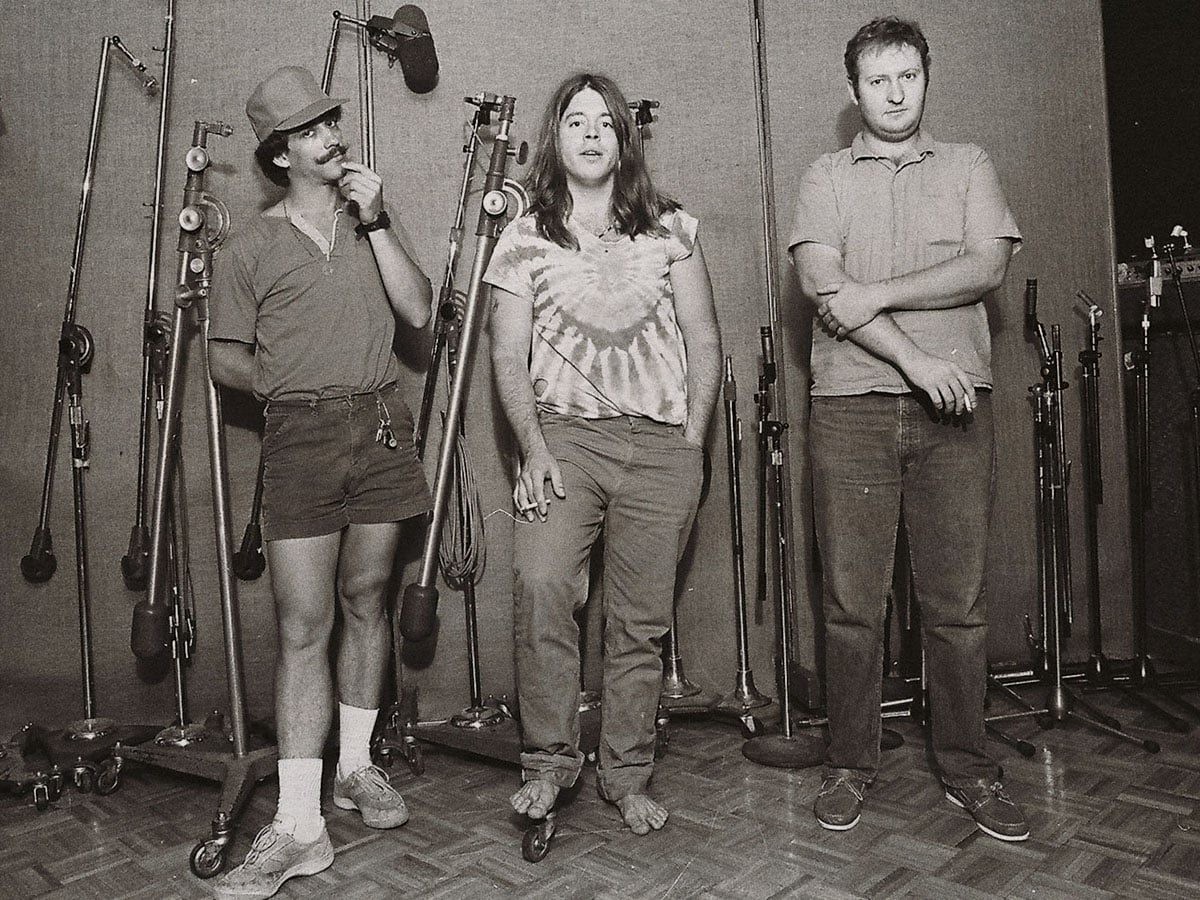
One thing that had changed, at the urging of Warner Brothers, was that Hüsker Dü were no longer their own managers. Instead, they’d been required to hire someone to handle that job, and David Savoy, despite his youth and relative lack of experience, was ultimately tapped for the job, not necessarily through a democratic process.
“Greg [Norton] and I hardly knew [Savoy] when he was drafted by Bob [Mould] to come in and work for us,” Hart told Magnet in 2005, “In all his human aspects, David was a fine, wonderful fucking person. But he was far from the only person who could’ve done that job. He had a loyalty to Bob that was the reason, first and foremost, for Bob wanting to use him.”
Even before signing with Warner, the tension between Mould and Hart over the creative direction of the group had been building for a while; a tale as old as time for a teenage punk band entering sophisticated adulthood. The extra ingredients of the label change, Hart’s struggles with heroin, and the hiring of a Mould loyalist in Savoy as the new manager inevitably tipped the ship over entirely during work on the sixth Hüsker Dü album, Warehouse: Songs and Stories.
“Truth be told, the last two years, nobody wanted to be in that band,” Mould said in 2006, “except we were making a lot of money, we had a major-label contract, and there was really nothing else better happening at the time.”
Unfortunately, as the band began to splinter and Mould and Hart became increasingly antagonistic toward each other, David Savoy often found himself in the middle of the turmoil, and he wasn’t always well-equipped to handle it.
“Admittedly, David could be a little flighty,” Mould wrote in his memoir, “Besides being inexperienced, he was bipolar and was on medication. Sometimes he stopped taking it, which exacerbated his problems. One day in the summer of 1986, he disappeared for a week, then called me and said something like, ‘I’m in San Francisco, in a halfway house, sweeping floors’. When David returned, the four of us never addressed or resolved the episode.”
One day in February 1987, just as Hüsker Dü were about to head out to play some gigs on the East Coast, they received word that Savoy had taken his own life; he was only 24.
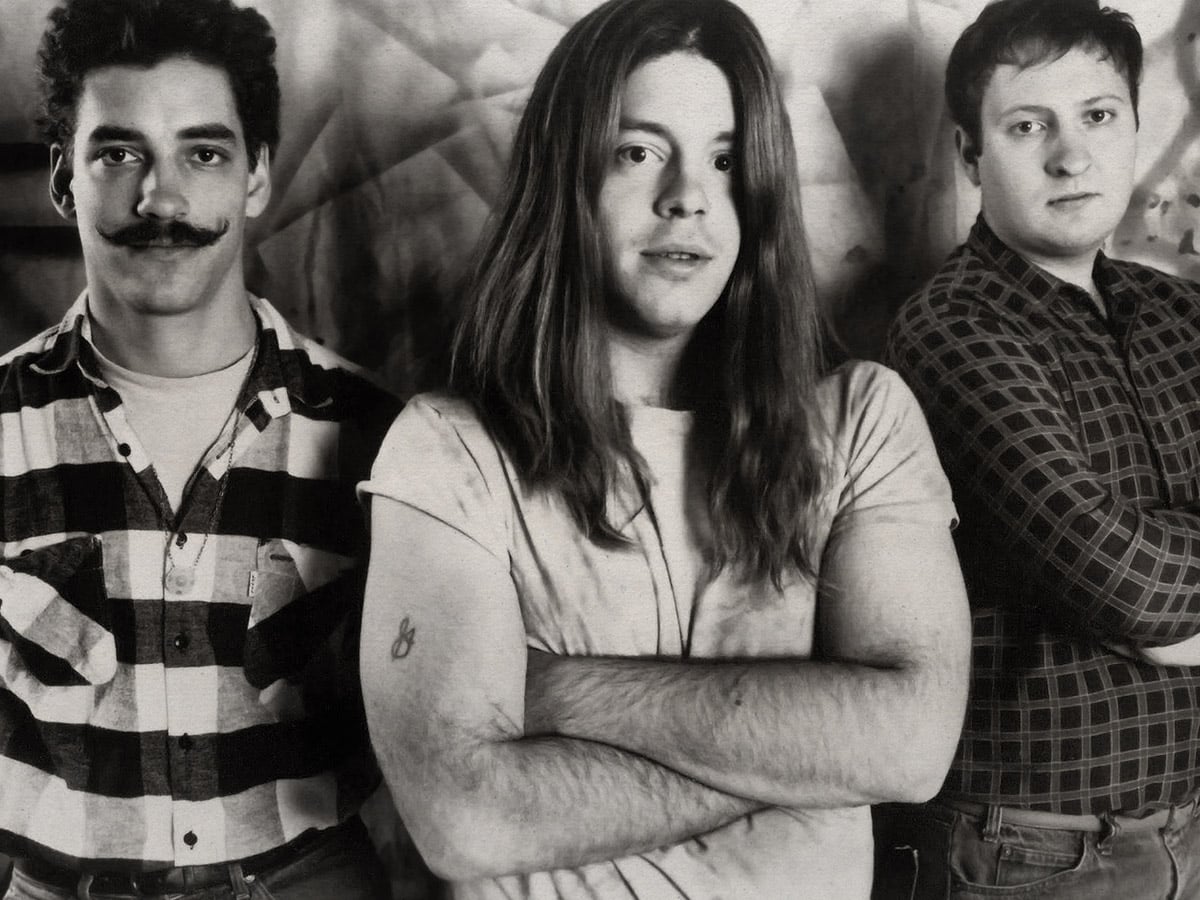
“That was the beginning of the end,” Mould said nearly 20 years later, speaking of the band’s 1988 break-up, “Everyone sort of retreated into their own corners and dealt with that in their own particular ways”.
In a separate 2006 interview with Q magazine, Grant Hart said, “I take full responsibility for [Savoy’s] suicide. It was a direct result of the pressure of working for Bob and me, because he was being forced into a two-faced situation.”
While Mould and Hart never patched up their differences, they did briefly share a stage in 2004 at a benefit concert for Soul Asylum bassist Karl Mueller. This ignited hopes of a Hüsker Dü reunion, but it also created more opportunities for both Mould and Hart to discuss their past with journalists, which rarely ended well. It was one of those occasions, in 2006, that became Mould’s final evidence for why he’d never get the old gang back together.
“My feelings about Grant [Hart] were borne out when we both participated in a Magnet magazine cover story, an oral history of the Minneapolis music scene,” Mould wrote in his memoir, “My favourite quote in the piece came from Grant: ‘Sorry about your dead friend David Savoy, Bob, but you’re still a fucking prick’. I doubt this was a misquote. And people still wonder why there will never be a Hüsker Dü reunion.”
Grant Hart later died in 2017 at the age of 56, ending the unfortunate saga on another sad note.
