


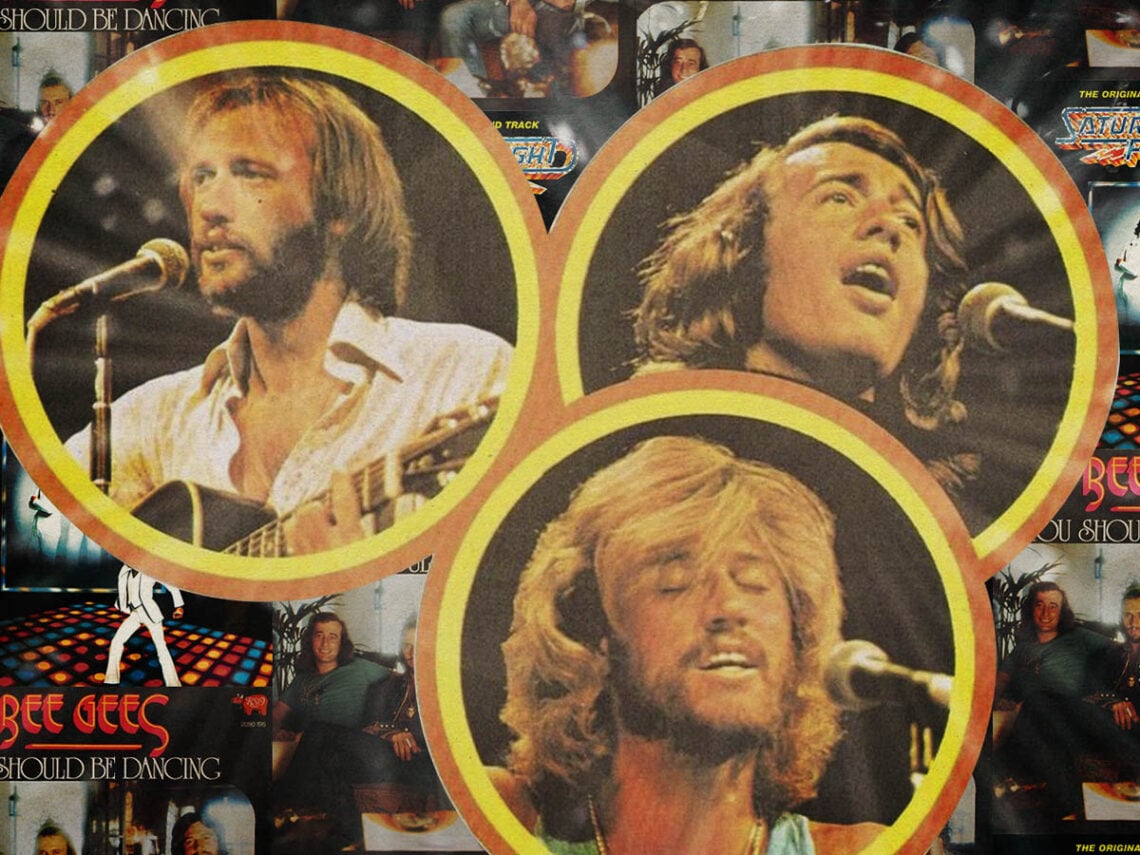
How ‘You Should Be Dancing’ pulled New York out of the darkness and into the future

It’s hard to explain just how desperate the state of New York was in the 1970s.
It’s even harder to fathom in the modern day, when ‘The Big Apple’ is universally depicted as the beacon of metropolitan living, a place where society is constantly at the cusp of innovation and opportunity beckons on every new street corner, but the ‘70s weren’t like that, not even remotely close.
At the midway point of the decade in ‘75, New York City was on the brink of defaulting on its municipal debt, and so the city found itself salvaging any economic hope it could possibly grasp onto. Simply put, it adopted a harsh position of austerity, which stripped away any new job prospects for the unemployed and then left the city’s basic services abandoned. Bins piled up on the street, and transport links ran to a halt, making New York a ghost town of modernity.
Then came the blackout in ‘77, which saw all of this boiling tension spill out of the pot. Now plunged into literal darkness, the streets of New York were ravaged with unruly crime and looting, sparked by years of desperation finally coming to a head. Naturally, the soundtrack for this cultural chapter was punk; frustrated, jagged and equally as unruly, it matched the anger on the streets.
But in that landscape, punk was no longer the resistance but the widespread force. Something needed to emerge that plainly opposed the desperate state of ‘70s New York, and that could only be something of unbridled positivity, AKA disco.
It revived the city in so many ways, not least giving it permission to dance amidst the darkness. With no light coming from any real direction, disco decided to manufacture it within the dampness of its underground clubs, providing a safe space for marginalised communities and allowing a brighter future to be carved through its music.

However, in the rising tide of social anger, there was an undertow of fascism that tried to stamp it out. For a long time, disco was underground, booted out of the mainstream by rock and roll fans who wanted no part of its liberation in the commercial music space.
They would bully its fans and burn their records, preventing it from reaching the mainstream whenever they could. But in ‘76, a song came along that finally burst the bubble, thrusting disco into the glittering spotlight and kickstarting the rhythmic revolution that would take New York out of the darkness.
The Bee Gees opened their album of that year, Children of the World, with ‘You Should Be Dancing’, a track that would later lead the soundtrack for the movie equally as responsible for thrusting disco into the mainstream, Saturday Night Fever. It was a perfect storm, and ‘You Should Be Dancing’ was the perfect song, delivered by a band with a bulletproof commercial audience ready mate to pivot into this genre.
It took the vibrant grooves of this burgeoning music scene and placed it into a track that had discernible qualities; a clear verse structure along with a catchy vocal hook, making it the perfect song to make disco a staple of the masses. But despite its sing-along nature, it was crucially danceable; it was bursting with rhythmic colour and felt as at home on the radio as it did in the nightclubs. In fact, according to New York disco DJ Nicky Sando, the track was played at the hottest clubs about three times a night during its heyday.
The idea of New York can often feel too big to tackle, especially culturally, as there seems to be no way to truly define it; where some will say Frank Sinatra is the most obvious soundtrack, others argue the rugged punk of blackout New York truly captures its spirit, so there’s no real winning when arguing what song truly defines the city.
But isn’t it supposed to be one of innovation, revolution and regeneration? In times of darkness, we are told that it’s New York that will carry us out of it. But when it couldn’t even lift itself out of the shadows, it was ‘You Should Be Dancing’ that had to step in and do the job. So surely that offers it a pretty airtight case for being named the ultimate New York anthem?
