



How The Who betrayed Brian Eno so much that he wrote them a letter of complaint

While Brian Eno is one of the most celebrated ambient and experimental musicians alive today, it’s hard to imagine that audiences were able to immediately find themselves connecting with his work, given how unique and groundbreaking it was.
On one end of the spectrum, there will have been people who were thrilled at the idea that there was someone who was doing something so cutting-edge and different from what the mainstream had to offer, but equally, there are going to be people who simply won’t understand the significance of a record like Ambient 1: Music for Airports upon first listen, and will need time to let its value register with them.
Sometimes, what an audience needs is for the music to be direct, and to offer something that they can digest upon first listen, and then for the artists that they know and love to then embark on more experimental works to challenge their standard listening habits. While far from ordinary, Eno’s work with Roxy Music and on albums like Here Come the Warm Jets would have been more immediately palatable, and this is ultimately what prompted him to shift towards more experimental works.
However, artists also need to recognise that by making this change, they’re not sacrificing their uniqueness or producing something that is below their ordinary high standards of work.
You might think that because of Eno’s credentials as an experimenter, he wouldn’t really have time for anything that was even vaguely commercial in its approach to things, and would actively dismiss anything that didn’t push boundaries.
However, his work with immensely popular acts like U2 and Coldplay also suggests that he has plenty of interest in pop music, so long as it isn’t being presented in a way that feels trite. This is an ethos that he has lived by since he was in his teens, even going so far as to directly call out acts that he thought were dumbing down their art in a way that was detrimental to their overall sound.
Speaking to producer Rick Rubin in 2021 for the Broken Record podcast, Eno highlighted a time when The Who released something that he felt was below their usual standard of work, and that he thought was a dramatic step back from everything they’d set out to achieve in their earliest years.

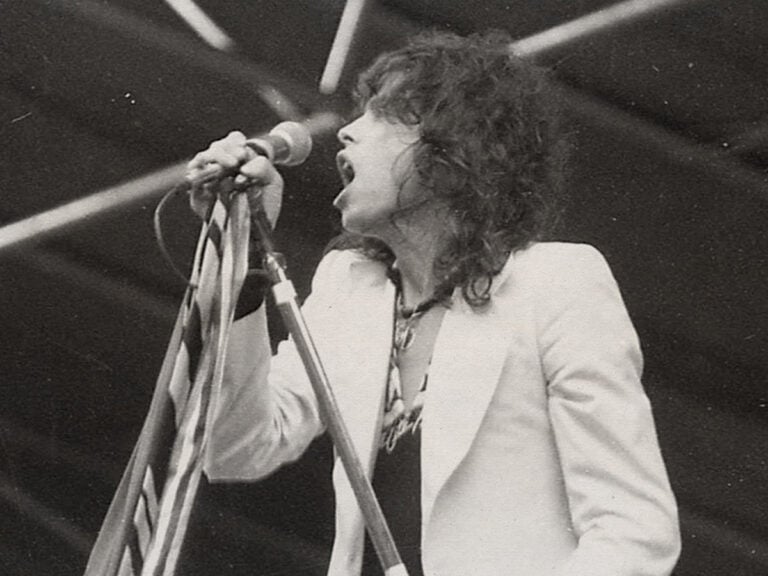
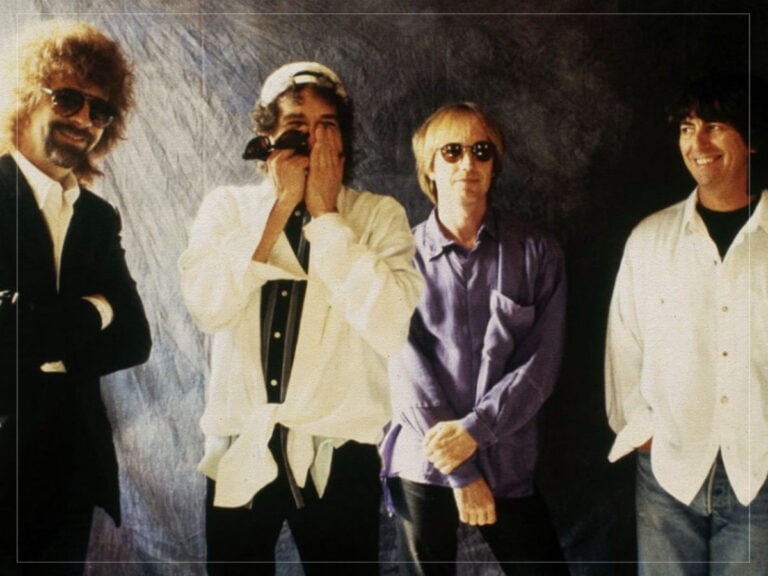
“I really admired The Who,” Eno admitted, “I loved ‘My Generation’ and things like that. Then, they released a song called ‘Happy Jack’. I thought they shouldn’t release lightweight material like this. They are a serious, revolutionary, radical band, what are they doing releasing this kind of material? I even wrote to Pete Townshend, saying, ‘You shouldn’t be releasing stuff like this! You’re much too important!’”
The Who would obviously go on to create far more ambitious works, with several of their future albums existing as concept records designed to be listened to from start to finish. While there are other songs like ‘Happy Jack’ that exist in their later catalogue, perhaps this can be seen as an early teething issue that was ironed out when the band themselves realised that they weren’t operating at the best of their abilities, but whether that’s down to a teenage Eno encouraging them or not, we’ll likely never know.
