


How ‘The Traitors’ won over reality TV haters

Reality television has soured its own reputation. Those behind the camera have become far too comfortable exploiting and ridiculing their subjects with little care for the consequences, while those in front of it have turned from ordinary people into budding influencers hunting big brand deals. As a result, the genre has been rightfully critiqued and condemned, its consumption shrouded in shame or shrugged off as a guilty pleasure.
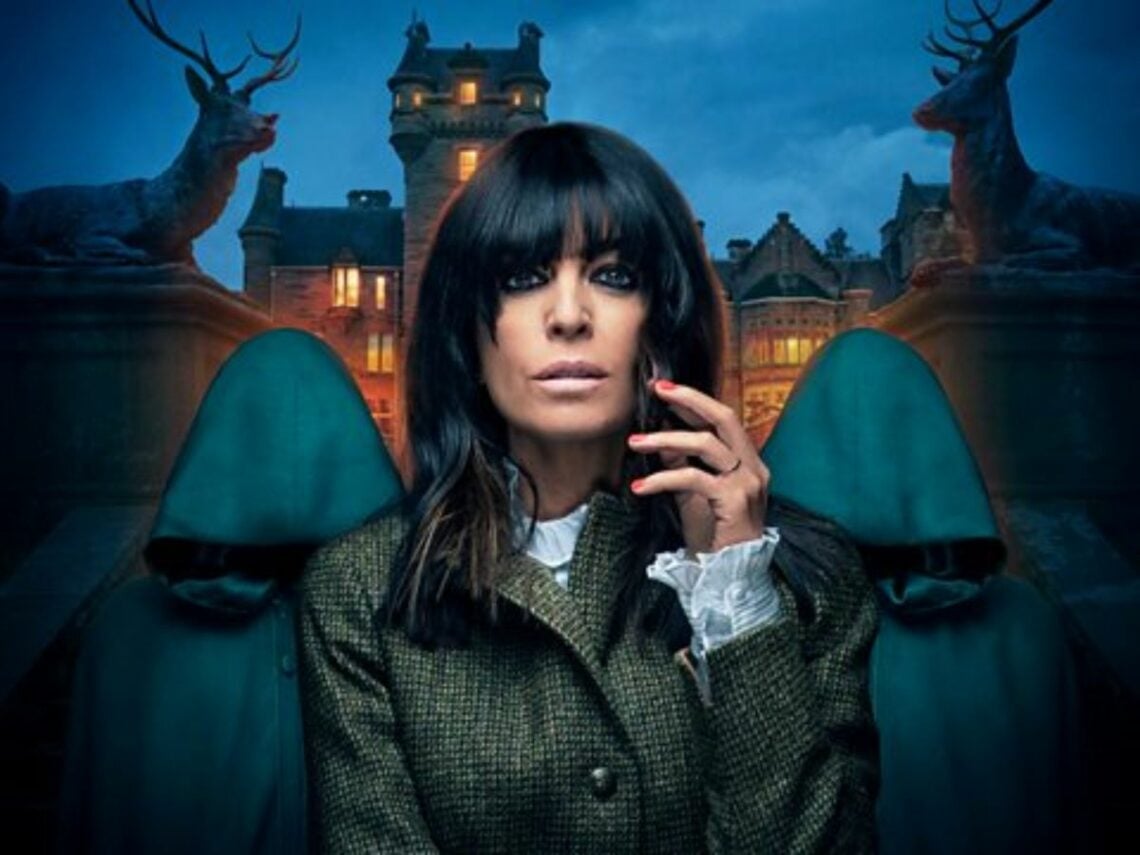
With betrayal and manipulation as its very premise, The Traitors seemed primed for the same fate. Contestants gather in the Scottish Highlands where they are greeted by an imposing castle and a stone-faced Claudia Winkleman, both of whom contribute to the theatrics of the show in equal measure. After being allocated their roles, the task facing players is simple: weed out the traitors (or the faithful, if you’ve received a tap on the shoulder from Winkleman) in order to win a prize of up to £120,000.
The dramatics of the show are not limited to the contestants’ grand surroundings or Winkleman’s perfectly chopped fringe, they extend into the language of the show. Each night, the group meet at the round table to “banish” the player they collectively determine is most likely to betray them, after which the traitors meet in the tower to “murder” whomever is currently providing the greatest threat to them.
Either murder or banishment will simply result in the nominated player leaving the show to return home. Still, round table meetings and banishments veer into intense territory, as accusations fly and betrayal prevails, while awful melodramatic covers of R.E.M. and Muse seem to describe the scenes they soundtrack in near-perfect detail. It’s at once unbelievably dramatic and immensely silly, providing an endless muse for conversations over pints and meme makers.
Though it contains all the genre tropes of reality television – from talking heads shots to filler tasks with the aim of securing prize money – The Traitors seems to have skipped over the pitfalls that more seasoned shows like Love Island seem to have fallen into. Airing three times a week, it retains a presence without becoming overbearing. It provides the perfect balance of cliffhangers and reveals, encouraging nail-biting without short-changing its viewers. But more than anything, The Traitors knows exactly what reality television should be about: people.
Amidst the castle towers and hooded cloaks, The Traitors finds its real drama in human decision-making and deception. Forgoing the more traditionally action-filled scenes of players completing tasks, it focuses so much of its runtime on conversation between contestants, letting us in on their lying and scheming and speculating and inviting us to wonder how we might fare if we were selected to put on the cloak. While Love Island contestants are condemned for playing their fellow villa-dwellers, The Traitors are lauded for it – it’s the name of the game, after all.
It’s difficult to decide who to root for, as The Traitors pulls you in a million different directions with each new installment. Just this season, financial investigator Paul seemed like the mastermind of the tower, but was usurped by Harry after becoming overconfident with his position as the “most popular” in the group. Fans quickly gathered around Harry’s more considered approach, but quickly switched up their allegiances when Ross was recruited as a traitor and vowed to avenge fallen faithful (and his own mother) Diane. We change our minds just as often as the faithful change theirs.
The twists and turns of The Traitors are somewhat manufactured by the boundaries of the show –allowing us to root for people who are betraying people they hardly know – but they’re also inextricably human. As we sit and scream at the television, at once imploring the faithful to wise up and realise that Paul is manipulating them all, while also marvelling at his masterful gameplay, we know that most of us would follow the group just as absentmindedly. It’s a fascinating study of group dynamics and thought processes.
The Traitors represents a return to the core of what reality television should deliver and a shift in our preferences for the genre. While Love Island has become a half glorified advert, half propellant to social media fame, The Traitors finds its entertainment and addictiveness in its authenticity. It’s silly and self-aware, but it also shows us real people and their different ways of thinking, communicating, and deceiving. As a result, the show has found its way onto the screens and into the hearts of even the most devoted reality television haters.
