


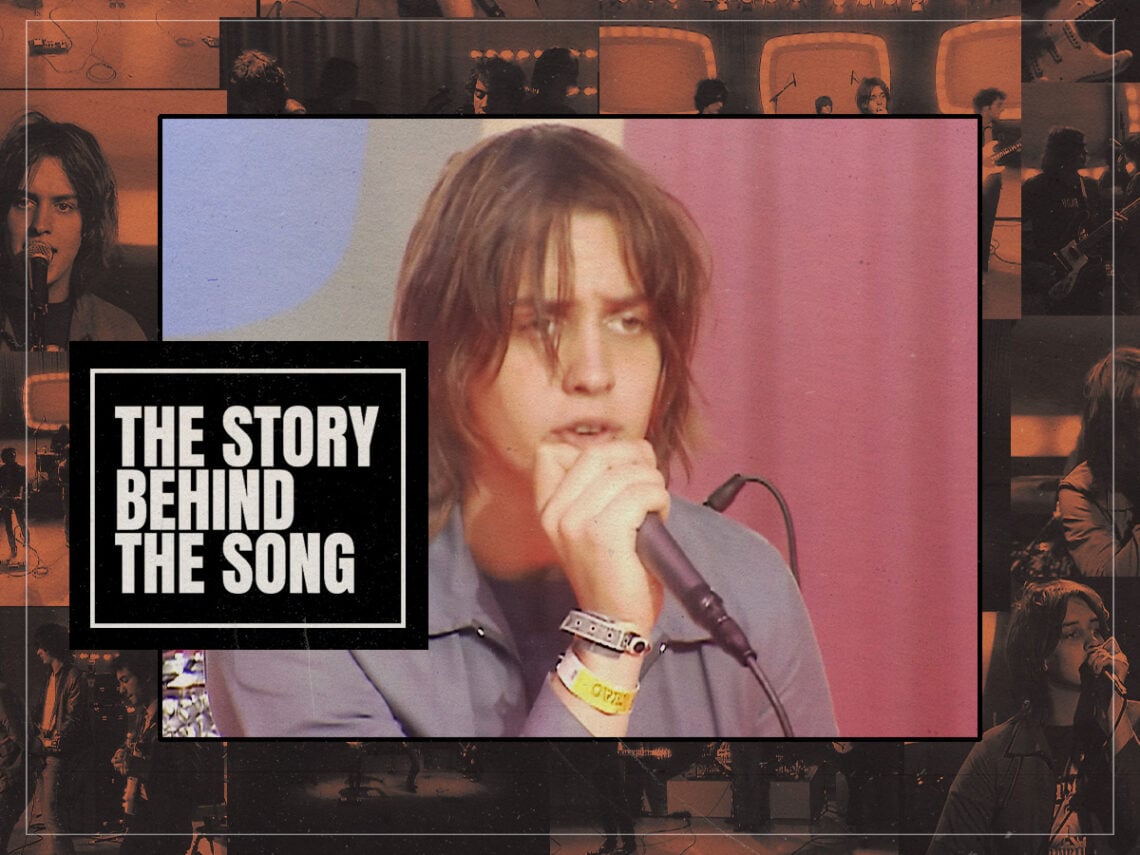
The Story Behind The Song: How The Strokes reignited rock with ‘Last Nite’

Really, The Strokes were destined to be successful. They had the looks, they had the money, and they had the connections. They also happened to be in New York City during its most exciting musical moment since the 1970s, and during the immediate post-9/11 moment, when all eyes were on the city. They were young, hot and perfectly primed to be the next big thing. Even before Albert Hammond Jr would go so far as to say he knew how to play the guitar well enough for that, he knew they were onto something. “I may have looked the part, but I still needed guitar lessons. Julian wrote the songs, and from the first moment, I knew we’d be successful,” he once said. But it wasn’t until ‘Last Nite’ that the scale of that success would be understood.
It isn’t an overstatement to say that ‘Last Nite’ is the most influential rock song of the 2000s. It’s not just that it was a hit; it was a hit that inspired hit after hit after hit. There is no Arctic Monkeys without ‘Last Nite’ as Alex Turner would later croon, “I just wanted to be one of The Strokes”. There’s no Kings of Leon, The Killers, The Kooks, or The Vaccines. Without any of those bands, there’s no HAIM, Wolf Alice, Fontaines DC, Wunderhorse, and so on. So much would be missing if it weren’t for that one song with that rousing guitar introduction, and the way it revitalised guitar music for a new age.
It could be claimed that within 27 seconds, in the time before Julian Casablancas takes a breath in and begins to sing, the band birthed modern indie. From that moment on, everything was built on its foundation.
But the band had no real intention of doing that. As only the second single of their debut album, and with the band’s dedication to what they called “raw efficiency”, preferring to record songs only once and simply getting what they were given with that undertaking to keep things as organic as possible, it’s not like they were trying to reinvent the well. That was the whole point, though.
‘Last Nite’ came to epitomise the band not just as their most popular song, but also as Casablancas’ exact vision for what The Strokes should be. It first came about during the recording of their demo EP when their mentor, JP Bowersock, saw them perform and decided to help them by recording them a mix. ‘Last Nite’ was brought in as an idea with Casablancas explaining both the track and the entire sound of the project: “Imagine you took a time machine into the future and found a classic album from way in the past and really liked it”.

That’s the reason behind the song’s heavy referencing. The introduction is often likened to Tom Petty’s ‘American Girl’ and the band themselves admitted that was a calling point, touching on one of the most iconic American rock songs as they crafted a new one. Petty didn’t mind, telling Rolling Stone, “Ask Chuck Berry. The Strokes took ‘American Girl’, and I saw an interview with them where they actually admitted it. That made me laugh out loud. It doesn’t bother me.”
The band hit another calling point later on as Hammond Jr breaks into a guitar solo that could be an old Freddie King riff. To some, it’s that moment that deserves the credit for making the song a hit. For a time when the music industry was busy being obsessed with rap and rave culture, The Strokes offered something solid to the rock fans. As Total Guitar unpacked the technical build of it, they perhaps explained it best, stating, “In the solo-less wasteland that was the early noughties, Albert Hammond Jr. gave us this absolute pearl—a shining example of the solo you can sing”.
That’s another essential point behind the song—you can sing that solo, and the band wanted you to. When they were crafting ‘Last Nite’, the whole point was to make it accessible and easy. Once again, they weren’t trying to reinvent the wheel. For a band that loved playing live, they wanted to make a song full of energy.
That was achieved through Casablancas’ signature cryptic instructions. During the making of the song, producer Gordon Raphael remembered him requesting things like, “‘This song, can you loosen its tie a little?’ He wanted his voice to sound ‘like your favourite blue jeans, not totally destroyed, but worn-in, comfortable’”.
Upon their first visit from their new label, RCA, they weren’t exactly happy with that. They hated the ‘worn-in’ sound of the vocal, telling Raphael, “They said it was crappy-sounding and unprofessional, and I was ruining Julian’s voice and killing any chance the band had of a career”. But not only would ‘Last Nite’ come to define an era, the band’s adamance about what they wanted would define them as they stuck to their guns, released a track that sounds exactly like those blue jeans, including all the slip ups from the studio, like mics being knocked over or slight bum notes being hit, all to make a raw, organic and utterly electrifying hit.
Given the push-back from the label who were later proved very, very wrong, Raphael rightfully declared, “It was very satisfying when the album became a modern classic”.
