


‘LA Woman’: How The Doors created a masterpiece out of pure chaos

Boasting a debut as confidently realised with other great American ‘firsts’ from The Cars to The Velvet Underground, Los Angeles psych garage’s The Doors defined the 1960s West Coast soundtrack from their very first single—’Break On Through (to the Other Side)’ leading their eponymous debut in 1967. Immortalised in countercultural lore, Jim Morrison’s feral performances and surrealist poetry fronting the band’s heady acid-fried rock influenced everybody from Patti Smith to Iggy Pop.
Yet following the commercial peak of Waiting for the Sun—their only LP to top the Billboard 200—The Doors’ confident trajectory began to ebb. Tiring of his ‘Lizard King’ guru mystique, Morrison swapped LSD for alcohol and spent the rest of his life perenially battered and generally causing headaches for the band.
During a performance in Florida, Morrison was so intoxicated local authorities charged him with indecent exposure, profanity, and drunkenness. It’s been debated whether he indeed exposed himself, but it’s without a doubt that Morrison was so drunk he practically mumbled through the set.
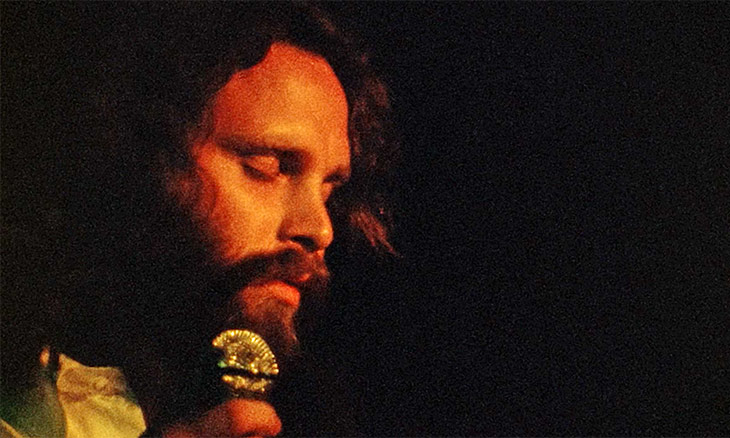
More drunken behaviour and the critical underwhelm of 1969’s The Soft Parade cast doubt on The Doors’ future. From 1970’s Morrison Hotel, a retreat away from psychedelia gave way to a deeper immersion into blues and an exploration of Americana’s funding music, reflecting the roots rock that was taking hold once the pop scene’s LSD was wearing off. Gone were the open shirts and svelt sexuality, Morrison began the portly bearded phase of his career—chasing artistic integrity away from the poster boy he’d been paraded as but hitting the bottle twice as hard.
The band nearly called it quits after an especially disastrous gig in New Orleans, involving Morrison lapsing into rambling anecdotes and boorish jokes to an increasingly bummed-out crowd. Feeling like they needed to head back to LA pronto to salvage the fracturing group as much as begin pre-production for the sixth album, drummer John Densmore, if anything, just wanted his old friend sober and well. “I thought, ‘Fuck man, if we don’t get an album or two more out of Jim, so what?” he confessed to Los Angeles Times in 2021. “‘Maybe we’ll save his life’”.
Wanting a different recording set-up than their old Sunset Sound, co-producer Bruce Botnick oversaw a conversion of their Santa Monica Blvd rehearsal space to a studio. Dubbed the “Doors Workshop”, the easy hang-out meant a roll call of unsavoury drinking buddies Morrison would corral over during the album sessions. “Reprobates, degenerate descendants of indentured servants, slimeballs, and general Hollywood trash,” keyboardist Ray Manzarek artfully labelled them in his 1998 Light My Fire: My Life With the Doors memoir.
Amid the booze and stale hedonism, The Doors cut their sixth and final album, LA Woman, their most acclaimed since their debut four years earlier and championed as a comeback. Acclaimed for its raw and live energy, the album’s title track would stand as one of the band’s defining songs and a eulogical love letter to Morrision’s beloved city. It appeared their fortunes were turning.
With the album awaiting release, Morrison flew to Paris with his girlfriend Pamela Courson for an extended break in March 1971. LA Woman reached the Billboard 200 top ten, and then Morisson was found dead in his hotel bathtub in July. Dying nine months after the loss of Jimi Hendrix and Janis Joplin, a moment in American popular music died with him—but amid the final closing chaos of his life, he was able to pull out greatness once last time.
