


How Sergei Eisenstein and ‘Battleship Potemkin’ changed filmmaking forever

Widely regarded as one of the most influential films in cinema history, Battleship Potemkin by Sergei Eisenstein dramatises the events of the Prince Potemkin mutiny of 1905. Released in 1925, it bought the filmmaker’s theory of montage to the masses, completely altering the landscape of cinema in the process. Today, the Odessa Steps sequence might look relatively commonplace, but back in 1925, it was downright revolutionary.
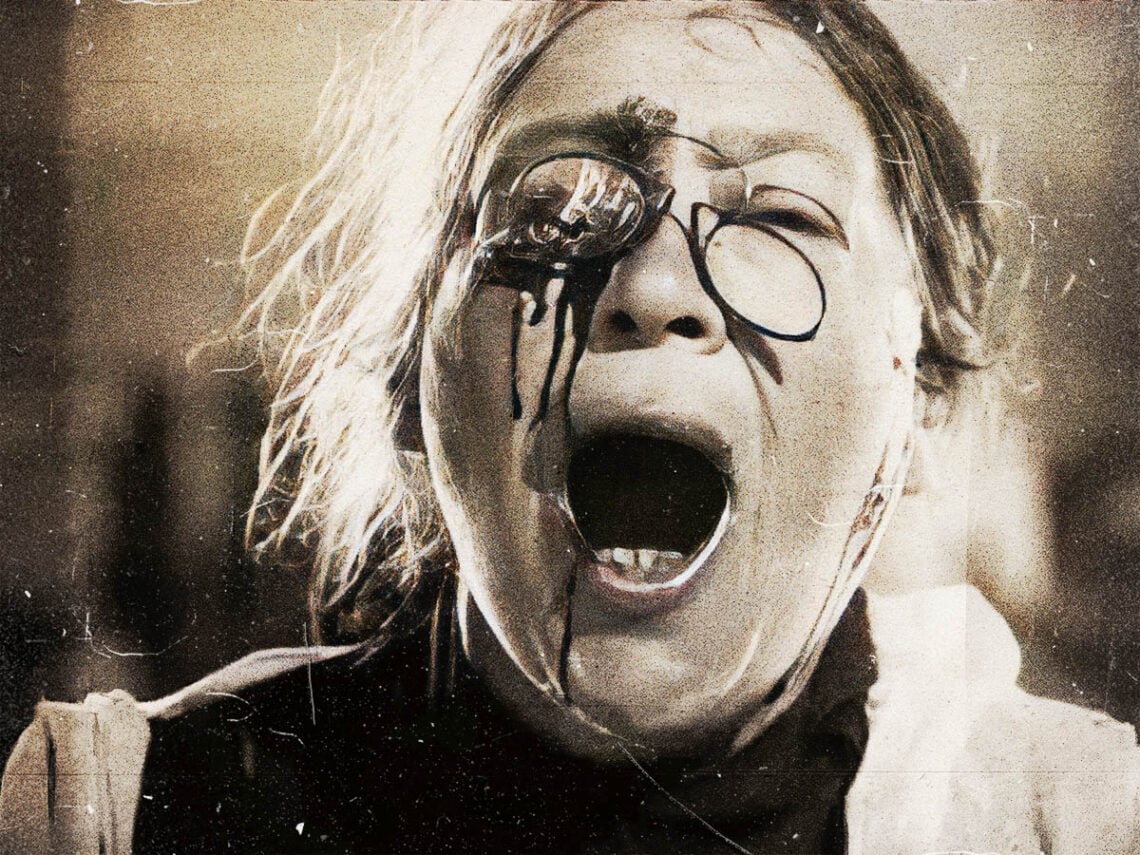
The scene in question is from the fourth act of Eisenstein’s five-act silent epic. A poignant example of the filmmaker’s astonishing technical virtuosity and visionary style, the Odessa Steps sequence remains one of cinema’s most harrowing depictions of unjustified violence. It features one of the first uses of montage (combining multiple shots to compress information) and saw Eisenstein prove his long-held hypothesis that the juxtaposition of two sequential images, each possessing their own symbolism, would result in the creation of a new, more powerful meaning.
Montage is the very foundation of modern filmmaking, but it’s surprisingly hard to explain. To avoid overcomplicating things, let’s do a straightforward thought experiment. Imagine a newborn lamb grazing in a meadow. Think about what meaning that image evokes. Purity, perhaps? Innocence, youth, possibility, rebirth, resurrection? Now imagine a butcher’s knife coming down on a slab of pink flesh. The second image not only implies that the lamb has been killed; it also alters how we perceive the first image and generates a sense of unease and discomfort.
Battleship Potemkin functions in the same way, just on a grander scale. Using a combination of chaotic jump cuts, juxtaposed wide shots, emotional close-ups and a variety of static and tracking shots, Eisenstein informs the viewer what is happening, evokes the disorientation and panic of the massacre and forges a thematic contrast between the military killing machine and the brutalised crowd. Through juxtaposing close-ups of women holding their slaughtered children with the relentless march of the soldiers, he increases our sympathy for the civilians while heightening our perception of the military personnel as monstrous.
Every film that relies on montage (effectively all films) owes an enormous debt to Battleship Potemkin and the Odessa Steps sequence. You can revisit that scene above.
