


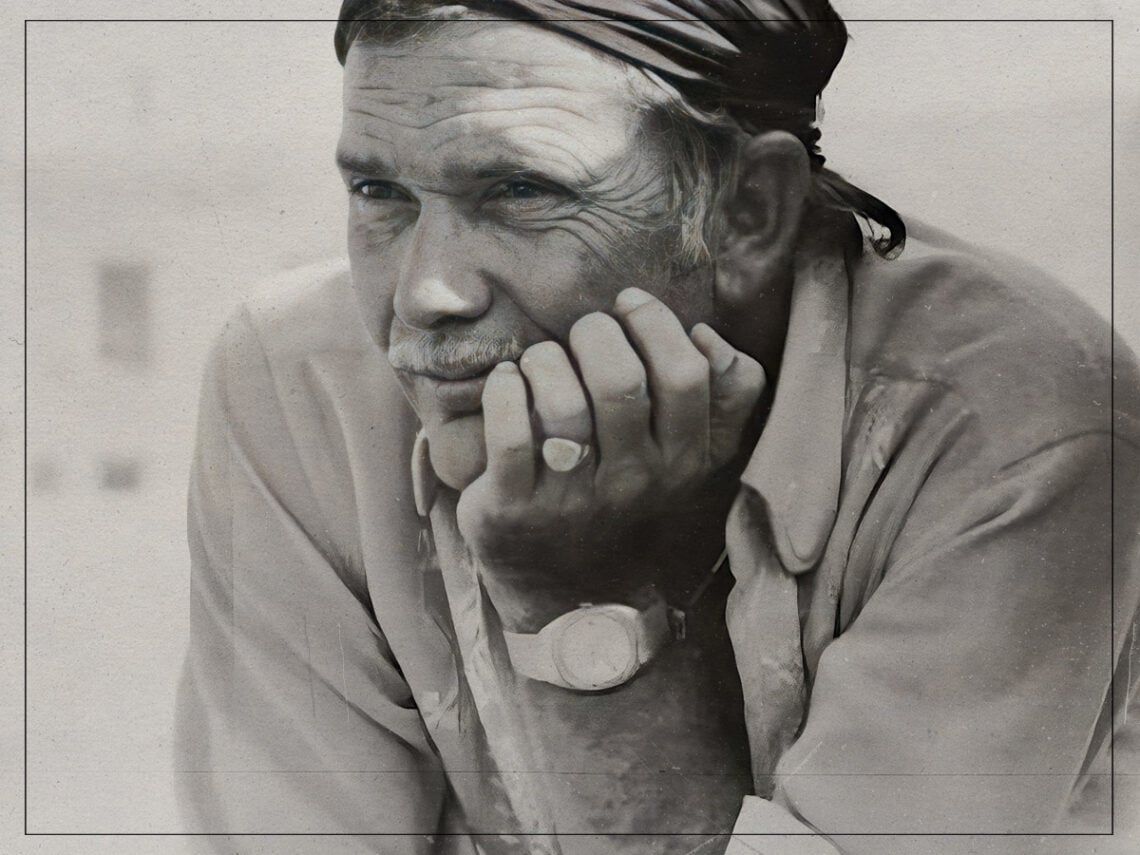
How Sam Peckinpah’s greatest film ended up a “piece of worthless trash”

Cinema history has given rise to more than its fair share of troubled geniuses, and even though he ended his career as an influential filmmaker who changed the face of cinema and inspired generations to come, Sam Peckinpah may have achieved even more if he wasn’t his own worst enemy.
One of the many notable issues that plagued Peckinpah throughout his career was that he was never interested in playing nice, acquiescing to studio demands, or compromising. While several of those qualities should be commended, sticking to them so rigidly didn’t do him any favours.
After all, the majority of his pictures were funded and distributed by some of the biggest companies in Hollywood, but ‘Bloody Sam’ developed a reputation for repeatedly biting the hand that fed him. It was either his way or the highway, and in several cases, films were taken out of his hands as a result.
The Wild Bunch may have revolutionised the way violence was depicted on camera and became a touchstone the action genre has sought to emulate ever since, but it was the movie Peckinpah made immediately before it that he believed was the best he’d ever made, at least until regular issues came to the fore.
1965’s western Major Dundee starred Charlton Heston in the title role, a soldier guarding prisoners and deserters towards the end of the American Civil War. When opposing forces attack his fort and escape with three children in tow, the protagonist rounds up a posse under threat of execution to set out and reclaim the captives.
In another recurring theme of his professional life, Peckinpah would regularly show up to set drunk out of his mind, causing plenty of friction between the director, cast, and crew. He also developed a habit of firing crew members without reason, leading studio Columbia Pictures to believe Major Dundee was in danger of going completely off the rails.
To try to stop the bleeding, the schedule was reduced by several weeks during production, with Heston waiving his entire salary so that Peckinpah could keep his job. The issues continued through post-production, though, with the auteur piecing together an initial cut that reportedly ran for over four hours.
Naturally, the studio thought it was far too long, so they brought in an editor of their own, which didn’t sit well with the filmmaker. “Major Dundee was my absolute best film,” Peckinpah told Rolling Stone, with a caveat. “Until the producer, Jerry Wexler, edited it into a piece of worthless trash.”
Major Dundee was whittled down to 156 minutes against Peckinpah’s wishes and then further down to 136 minutes before premiering at an even shorter 123 minutes. The end result was resoundingly panned, with the director’s “absolute best film” instead releasing as his worst. The longer version did see the light of day eventually, but Peckinpah was long gone before the restored cut was first screened in 2005.
