


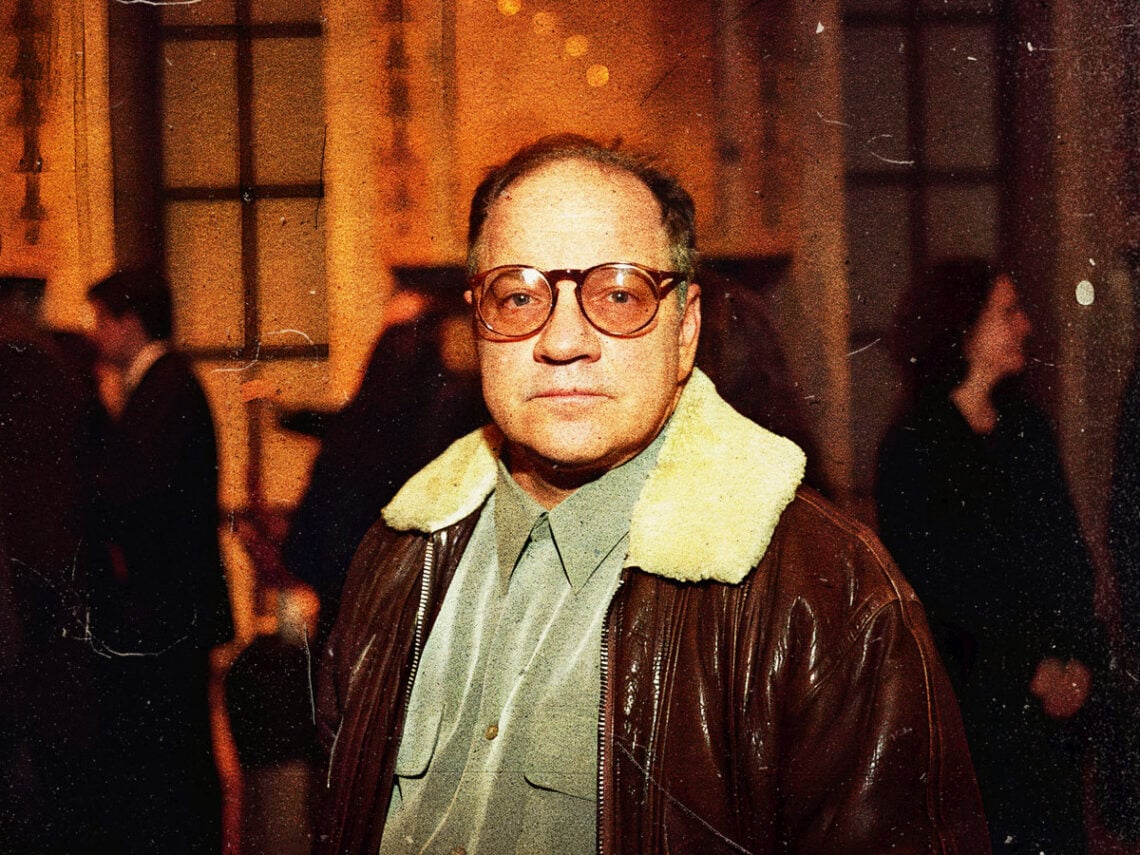
“He did not feel comfortable in civilised company”: The director Paul Schrader calls an outlaw

Never one to shy away from a confrontation, Paul Schrader has spent his career in cinema lurking on the fringes of the mainstream, not that he’s ever given off the impression he’d come running with his arms held wide open if the studio system came calling.
Following his breakthrough screenplay for Martin Scorsese’s classic Taxi Driver, Schrader continued to paint outside of the lines, and when he segued into directing, he continued to rage against the machine, even though it regularly came close to landing him squarely in director’s jail when he refused to play ball.
Whether it was scripting cult classic Rolling Thunder, his infamously reworked contributions to The Exorcist franchise, or enlisting Nicolas Cage to front a campaign decrying the interference that sacrificed his original cut of Dying of the Light, he’s always marched to the beat of his own drum.
Schrader is something of an outlaw himself, then, which puts him in a qualified position to place the label upon a filmmaker who really lived it. Not that anyone would disagree, considering Sam Peckinpah was just as prone to bursts of celluloid greatness as he was to fits of self-destructive behaviour.
Famed for pushing the boundaries of on-screen violence, dealing in repeated themes of societal and personal corruption, and constantly coming close to drinking himself into personal and professional oblivion, Peckinpah was nonetheless responsible for several all-time classic movies.
The Wild Bunch, Bring Me the Head of Alfredo Garcia, Straw Dogs, and Pat Garrett and Billy the Kid all rank among his finest work, but personal demons were always lurking in Peckinpah’s rear-view mirror. That’s exactly what made him who he was, though, as Schrader explained in the 1990 documentary Hollywood Mavericks.
“Sam really was an outlaw sensibility, he did not feel comfortable in civilised company,” Schrader explained. “And the only way he seemed to be able to make a film was that if he got into such dire straits that he was forced back to work.” Peckinpah’s hard-living lifestyle caused him plenty of issues both on and off-camera, to the point it ultimately cost him his life when he spent the last several years of his life suffering from a myriad of illnesses before dying of heart failure in December 1984 at the age of 59.
When he was operating at the top of his game, there were few better at crafting a memorable set piece or finding the beautiful artistry in depictions of violence, but as Schrader pointed out, getting Peckinpah to agree to a new project and having him turn up on set without causing any problems was the difficult part. He lived a troubled life, and the term “outlaw” is entirely applicable to a famed director who never played by the rules.
