


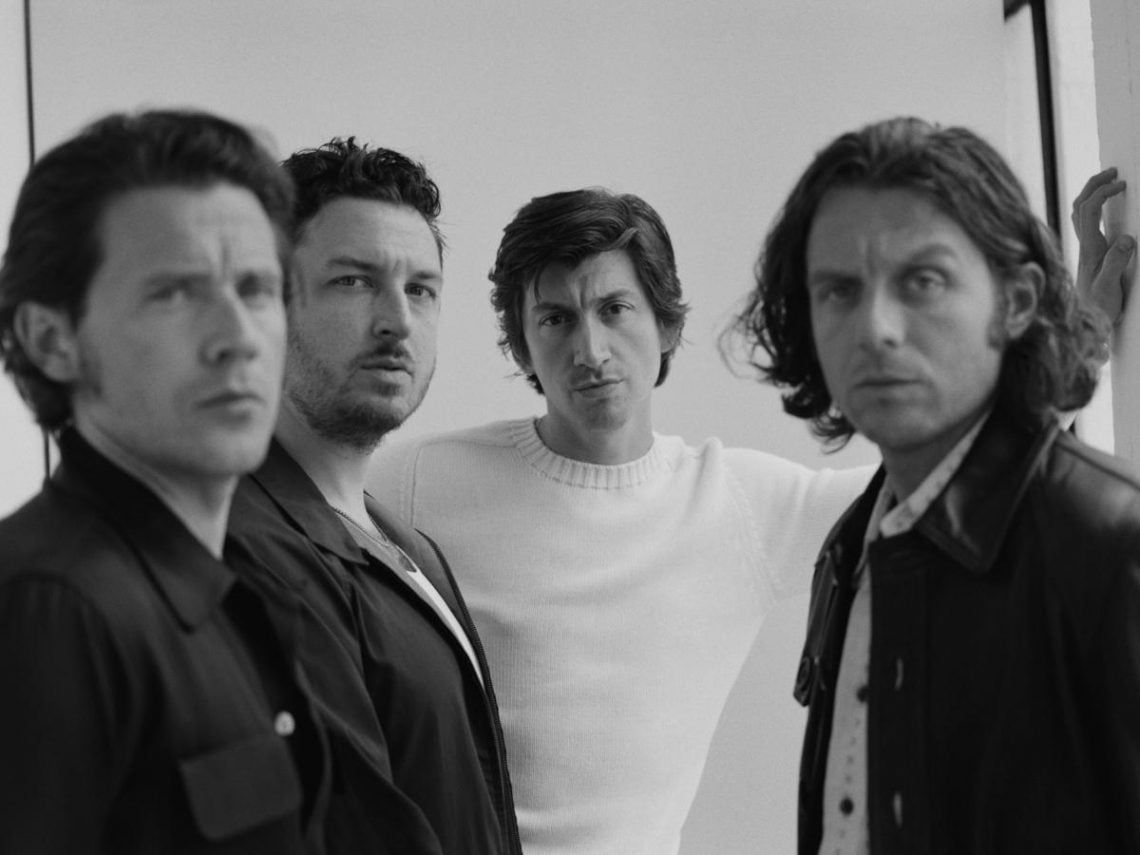
How psychedelic rock influenced Arctic Monkeys

Arctic Monkeys are one of the most successful British groups of all time, enjoying a career that has seen them release six number-one albums in the UK, with their most recent, The Car, their only title not to hit the top spot having been pipped at the last second by Taylor Swift. Despite this perceived failure, critically and commercially, the Sheffield natives hit heights that no other band of their generation could have dreamt of.
Alex Turner and the group have matured gracefully over their career, and although some have criticised the direction of their most recent album, their dedication to progression is something to be lauded. With flecks of hip-hop, baroque pop and funk, this is the sound of a band oozing experience, wherein what came before doesn’t matter, with the present being the only concern.
Over the years, frontman Turner has increasingly steered the ship, with him writing much of The Car on his own. With the record, Turner delivered yet another reflection of why he has long been hailed as one of the UK’s best and most intriguing songwriters, with the heady textures and swooning string sections a far cry away from the songs about nights out and dating on their 2006 debut, Whatever People Say I Am, That’s What I’m Not.
Tracing Turner and the band’s creative metamorphosis is a fascinating one, and it has seen them draw on a whole host of genres to get to where they are now. One of the most notable changes in their sound came in the form of their third outing, 2009’s Humbug. A stoner rock record straight from the Californian desert and produced by Queens of the Stone Age’s Josh Homme, the album allowed the Arctic Monkeys to get darker yet more ethereal than ever before.
Featuring more varied dynamics and textures than on their previous two albums, as well as more exciting songwriting techniques, Humbug is best described as the band’s “weed album”, making a solid case to be one of their best. From the heartfelt ‘Cornerstone’ to the visceral ‘Pretty Visitors’, the LP boasts a range of highlights, with Homme extracting sounds from a part of the band’s psyche that was hitherto untapped.
The album is noted for its psychedelic style, and when speaking to Clash in 2009, Turner was asked where this influence came from, to which he responded: “Hendrix is a big thing – we listened to him loads during this. We got into Hendrix as you do: when you first pick up a guitar; you’re like: “Wow, look what he can do with this thing that’s hurting me fingers”.”
He continued: “But we got back into that and perhaps appreciated it more and got more into the records than we had before. ‘Electric Ladyland’ and ‘Axis: Bold As Love’ and that. And we were listening to Cream a little bit – there’s some good harmonies and stuff on there; it’s cool. And the drumming on there, obviously”.
The interviewer noted that this was “funny”, as The Jimi Hendrix Experience and Cream are two bands where every member plays their instrument as the lead, competing for space. Turner then showered praise on the late Cream drummer, Ginger Baker, and noted the influence of former 13th Floor Elevators band leader Roky Erickson: “Yeah. I love Ginger Baker’s drumming. That’s summat we were chatting about. It’s laidback… I dunno what it is. And then Josh [Homme] turned us onto a load of things, and that guy Dave whose studio it was – like Roky Erickson and this band called Captain Beyond.”
