


How Phil Collins saved Genesis’ 1973 classic album: ‘He was adamant’

Ah, prog rockers, bless them; they never seem to know when enough is enough, and if an idea sounds like it might be a little ludicrous, then by their logic, it’s probably worth going for.
This is the sort of mentality that leads to Jethro Tull making a 43-minute song-cum-album in the form of Thick as a Brick, that leads to Aphrodite’s Child making a conceptual double album about the Book of Revelations for 666, or that simply inspires Robert Fripp to steer King Crimson in the numerous directions they’ve travelled over the years with a dictatorial eye on the levels of precision applied by the other members he’d taken under his wing.
It’s ‘progressive rock’ for a reason; this isn’t ‘conservative rock’ or ‘regressive rock’, this is an opportunity to use the studio and the stage as a playground for developing new ideas and being as bold and adventurous as one could ever wish to be. There are no explicit rules in the world of prog rock, except for the times where the rule is to be as faultless as possible, and this is ultimately the ethos that has driven artists of this persuasion to be successful.
But, when is enough considered to be enough? Can progressive rock, by its nature, ever go too far and be unenjoyable to fans in spite of their demands for more challenging or complicated material?
Sometimes, progressive rock bands get so caught up in their own high-falutin ideas that they don’t have the space to question whether an idea is perhaps a sign of taking things overboard, and it’s the times where ambition gets confused with forced convolutedness. Ideas become overwrought and crumble under the weight of their ambition, and these are the moments when it needs an authoritative voice to put its foot down.
Genesis, especially during the period when they were fronted by Peter Gabriel, were certainly known for stretching their ideas to the absolute limit of tolerability, and while it earned them plenty of fans, lots of people were left cold by the fact that they simply didn’t know where to draw the line between creative genius and utter lunacy.
Luckily, they had the level-headed Phil Collins in their ranks, and it was on their 1973 album, Selling England By the Pound, where he felt he needed to step in and rescue a song from collapsing as a result of its overly complex structure.
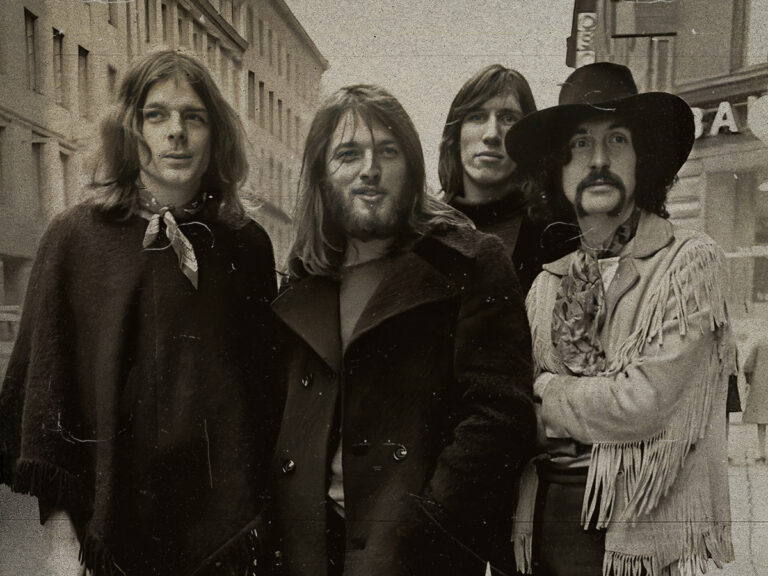


While opening track ‘Dancing With the Moonlit Knight’ and penultimate track ‘The Cinema Show’ both exist as standalone moments on the album, there was initially a motion to have them flow into one another as one continuous song, which would have taken up an entire side of vinyl and lasted over 20 minutes. Recalling the sessions from the album, guitarist Steve Hackett said in a 2018 interview with Prog that Collins was insistent that this ought not happen.
“If we had done that, it would have been another ‘Supper’s Ready’ and it might not have survived as well,” Hackett explained, referring to the 23-minute closing track from their previous album, Foxtrot. “Phil was adamant, and that was what put the kibosh on it.”
They probably would have been able to pull it off, but it’s also useful to be able to show a level of restraint, and if they feel like that’s what rescued the album from being too far up its own backside, then thank goodness for Collins’ interjection.
