


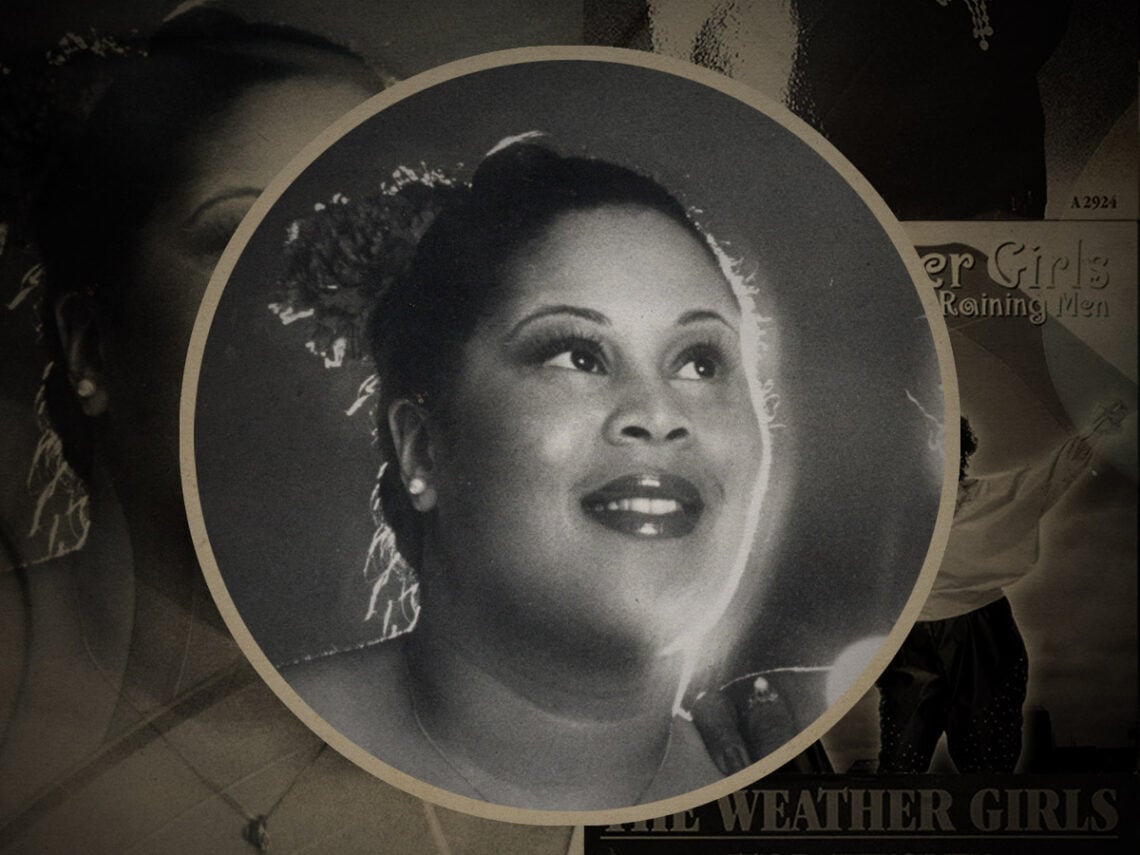
How Martha Wash changed music forever: “Her talent made her noteworthy, her lawsuits made her famous”

Ever watched a music video or a live performance and thought: “Hey, is that person actually singing?” Maybe it’s something to do with the way their lips are moving ever so slightly out of sync with the vocals, or the fact that they’re not putting enough gumption into the performance, but the fact is that miming in music happens far more often than you might think.
There was a time when miming to a song, regardless of the purpose it was done for, was heavily frowned upon by music fans, to the point where German pop duo Milli Vanilli were outed for not having been actual pop stars, but two models who were asked to pretend to play the roles of singers to make record executives a quick buck. Their music ceased to get airplay, their Grammy Award was revoked, and their career was ruined in a flash.
This was obviously an embarrassing moment for everyone involved in the entire debacle, but at the same time, we’ve come to recognise that it’s something that has always been far more frequent than we initially imagined, and that there’s often someone in the background encouraging artists to fake their vocals at times when performing them live would be an inconvenience.
However, when it comes to identifying people who have actually recorded vocals in lieu of the supposed ‘artist’ who is used as the face of a project, there’s a lot more murkiness that happens in the background, with those who deserve the credit often being stripped of any acclaim for having contributed to the performance that someone else is getting the plaudits for.
This is something that happened time and time again to Martha Wash, whose career as a backing vocalist for disco star Sylvester in the late 1970s led to her eventually having a career of her own as one-half of The Weather Girls. Their 1982 hit, ‘It’s Raining Men’, was a worldwide smash, and while the song generated plenty of discussion owing to its nonsensical lyrical content, none of its detractors were able to criticise Wash and her partner, Izora Armstead, for not having sung on the track.
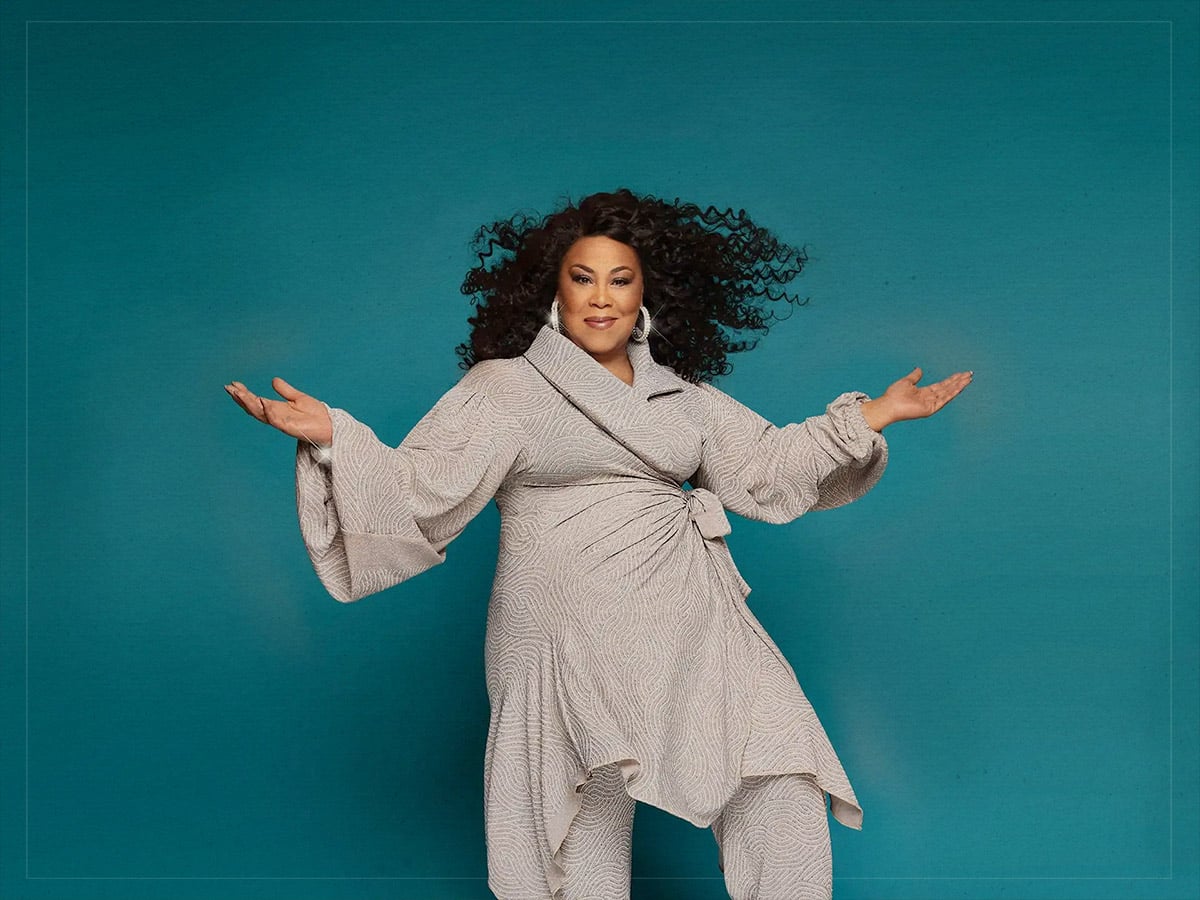
Their vocals were there, front and centre, and the duo were being used as part of all the promotional materials for the song. There was no question as to whether or not this was The Weather Girls’ song, but after Wash chose to go her own way in the late 1980s to pursue other projects, her voice was suddenly being used on songs that seemingly had nothing to do with her.
At least, that’s how the consumer would see things, given how they’ve been sold a product and led to believe that the named artists are the ones behind the song. However, when Wash offered her talents up to Italian house group Black Box for a number of their songs, as well as performing lead vocals on Seduction’s ‘(You’re My One And Only) True Love’ and most notably, C+C Music Factory’s ‘Gonna Make You Sweat’, she was given no reason to believe that she would go uncredited on each of these tracks.

In all of the aforementioned cases, Wash’s vocals were taken, and then when a music video was shot for them, Wash would be replaced by an actress who mimed along to the lyrics. Understandably aggrieved by the situation, the singer not only sought compensation for having had all of her credits stripped from her, but also wanted to change the legality of how credits are given to performing artists on songs by production collectives.
The likes of Black Box and C+C Music Factory both heavily relied on guests to provide vocals for their biggest hits, but it wasn’t until Wash caused a fuss that any of these were given the appropriate credit for their work. Calling upon her lawyer, Steven Ames Brown, Wash opted to sue all of her previous employers, with ‘Gonna Make You Sweat’ being the landmark moment that changed the very nature of musical contract agreements because of how notable the song and subsequent lawsuit were.
While Wash and Brown made large sums of cash through fighting to have the appropriate credits given on the songs that she had contributed to, things didn’t change with immediate effect. The passing of the Music Modernisation Act, which became law in 2018, now means that anyone who performs on another artist’s song should be given the appropriate credits where requested, and that they’re entitled to royalties as a result of their credit.
For Wash, while her career didn’t continue to have the same upward trajectory that many would have predicted for her as a result of her successes between the late ‘70s and early ‘90s, the fact that she remained adamant that she and other mistreated artists would be able to see a world where they’re given credit where credit is due has made her far more notable within the music business world. In the words of Brown: “Her talent made her noteworthy, her lawsuits made her famous.”
