


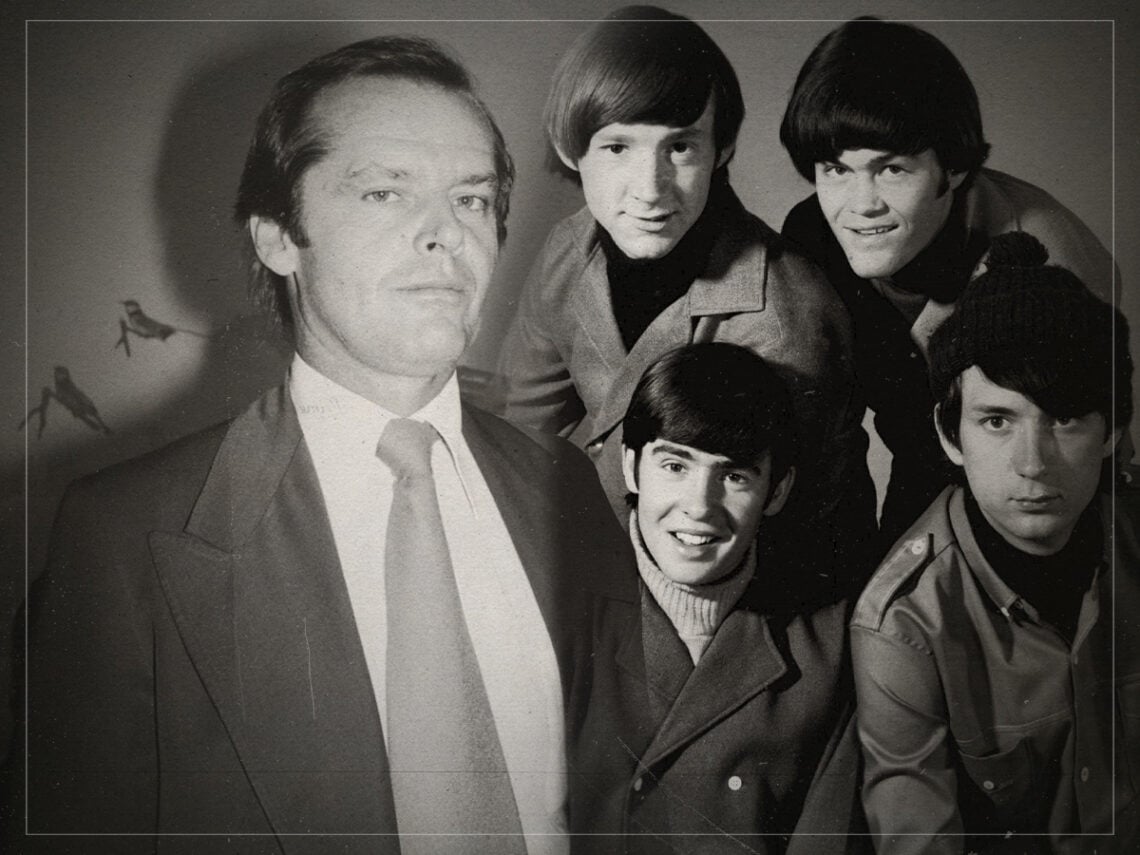
The story of how Jack Nicholson destroyed The Monkees

No one was expecting Los Angeles’ bubble-gum pop outfit The Monkees to document the counterculture with such authenticity at the peak of their fame.
They started life as manufactured as Take That or Backstreet Boys decades later. Dreamed up by struggling TV director Bob Rafelson and the son of Columbia Pictures boss Bert Schneider, the pair sought to capitalise on the success of The Beatles’ two silver screen ventures and presented the NBC network with their idea of a musical sitcom involving the scrapes and hijinks of a plucky young band’s eager chase for rock and roll fame.
Some of pop’s biggest names auditioned for the show early in their career, including Harry Nilsson, Van Dyke Parks, and even future West Coast star Stephen Stills, before settling on two former child actors, Davy Jones and Micky Dolenz, backed up by the budding folk singers Michael Nesmith and Peter Tork.
Debuting in September 1966, The Monkees catapulted the band to household names and chart domination, cuts like the show’s sugary theme tune and the Neil Diamond-penned ‘I’m a Believer’ scoring a sunnier and apolitical take on the decade’s youthquake, growing their hair out and making their groovy tunes as dangerous as it got.
Yet, four young lads weren’t going to resist the countercultural winds for long. Firstly, The Monkees wanted artistic control, eager to ward off the accurate press observations of their lack of songwriting and overwhelming use of session musicians. Second, there was too much fun to be had, the clean-cut poster boy image at odds with the keen devouring of marijuana and LSD that were ten-a-penny in the Californian underground.
A lot had changed in less than two short years, around the world as much as within the band. Gearing up to bring The Monkees to the big screen, a very far-out musical mob wanted to wreck the commercial monster undermining their street cred, as well as channel the colourful iconoclasm and revolutionary spirit sweeping across the new cultural landscape. Such insurrectionary fervour was upending cinema too, the emerging New Hollywood era roping in one of cinema’s future heavyweights to co-write The Monkees’ psychedelic art picture.

Despite early protestations from the band, Rafelson signed up to direct the feature, and writing duties were shared by one Jack Nicholson. A seasoned B-movie veteran from the Roger Corman factory yet to glean major stardom, Nicholson’s novel drafting process involved corralling The Monkees at a resort in the state’s sunny Ojai, passing a hefty joint between all and capturing their stoned ideas and marvellous epiphanies on a tape recorder. According to Rafelson, the brainstormed ideas were then shaped up by Nicholson later on while tripping on acid.
Shooting began while the NBC show was still airing, but the two projects couldn’t have been further apart. A surrealist meta-bludgeon to their own fame, 1968’s Head depicts each member’s attempts to break out of the scripted and staged worlds imprisoning their creativity. Roping in Frank Zappa, famed topless dancer Carol Doda, heavyweight boxer Sonny Liston, and an uncredited Dennis Hopper, the offbeat jamboree eagerly grabbed at the ‘anything goes’ spirit of the age and captured exactly where The Monkees’ heads were at.
Trouble was, the hippies still harboured suspicions as to the sincerity of their radicalism, and the pop-pickers just ‘didn’t get it, man’. NBC cancelled The Monkees show mid-shoot, and Head was released in November that year to critical derision and a dismal box office return of just $16,111 from a budget of £750,000. Even the soundtrack suffered, the experimental and lysergically coated Head LP dwelling at a lowly 45 on the Billboard 200 and marking the first time where not one single managed even the Top 40.
Marketing didn’t help either, enthusiastically but confusingly taglined as the “most extraordinary horror, adventure, western, comedy, love story, mystery, drama, musical, documentary satire ever made (And that’s putting it mildly),” and sending out mysterious promo posters displaying PR man John Brockman’s head over any presence of The Monkees themselves.
Legend has it that Rafelson and Schneider had pushed for the title Head over the original Changes as to set up the tagline for their next production feature, Easy Rider, “From the guys who gave you Head.” Hopper’s 1969 outlaw picture would kickstart the New Hollywood era in earnest and launch the careers of all involved, no less Nicholson, who was made a star overnight.
The Monkees had gotten exactly what they asked for: a project that dismantled their carefully groomed image, spelling the end of their pop tenure. But, time has been kind to Head, later praised as a bold jump into the creative unknown, a fun time capsule of the era’s unreined spirit, and a glorious killing of a corporate behemoth artfully staked in the heart with Nicholson’s helping hand.
