


How has the depiction of witches evolved on screen?

Green-skinned, hunch-backed, bitter, old, hideous to look at. For a long time, witches have been depicted as a grotesque character to be feared, their supposed power too much for the average person, especially a male, to handle. Think about The Wizard of Oz’s Wicked Witch of the West or the truly terrifying creations of The Witches – these are women that we’re meant to find repulsive.
This image of a wicked witch strays far from the expected standards of beauty thrust onto women throughout history, and their apparent evil seems to be equated to their lack of desirability or ‘usefulness’. Interestingly, this specific depiction of an evil old ‘hag’-esque witch derives from a real life person, Mother Shipton, a prophetess from Yorkshire who was said to have a large nose and a crooked back. Additionally, anti-Semitic caricatures have had a part to play in characterising witches, which has certainly been a more intentional decision at the hands of certain authors, like Roald Dahl.
Witch trials have been at the centre of many great films over the years, from Häxan to Witchfinder General, laying bare the misogyny behind these brutal attacks on women who simply existed outside what society deemed acceptable. Around the mid-century, there was a shift in how witches were portrayed – suddenly, they started to feel more real. Yes, they were still powerful women to be wary of, but they weren’t just the old, wart-covered ‘crones’ anymore. Witches could be young, striking, and quietly supernatural, like Barbara Steele in Black Sunday or the accused women in The Blood on Satan’s Claw.
Witches on screen started to become more alluring and perhaps even sexually-charged, their power manifesting in an intimidating eroticism for the men around them. Look at Ken Russell’s The Devils or Michael Armstrong’s Mark of the Devil – these movies emphasise the erotic charge wrapped up in witchcraft which stems from an innate patriarchal fear of female sexuality. Women are traditionally meant to be submissive and docile, not masters of their own sexuality. According to the staunchly conservative and religious men in these films, if a woman didn’t fit these standards, then it was quite possible she was a witch.
By the 1990s, witches had properly hit the mainstream. Films like Hocus Pocus, The Craft, and Practical Magic offered up a more stylish, approachable take on witchcraft – one that leaned into female friendship and looked good doing it. Witches weren’t just green-skinned villains or femme fatales anymore; they could be a moody teenager or, why not, Sandra Bullock. The whole witchy ’90s vibe fit neatly alongside the rise of grunge, and even now, loads of Gen Zers are finding something nostalgic and a bit magical in that era’s take on the supernatural.
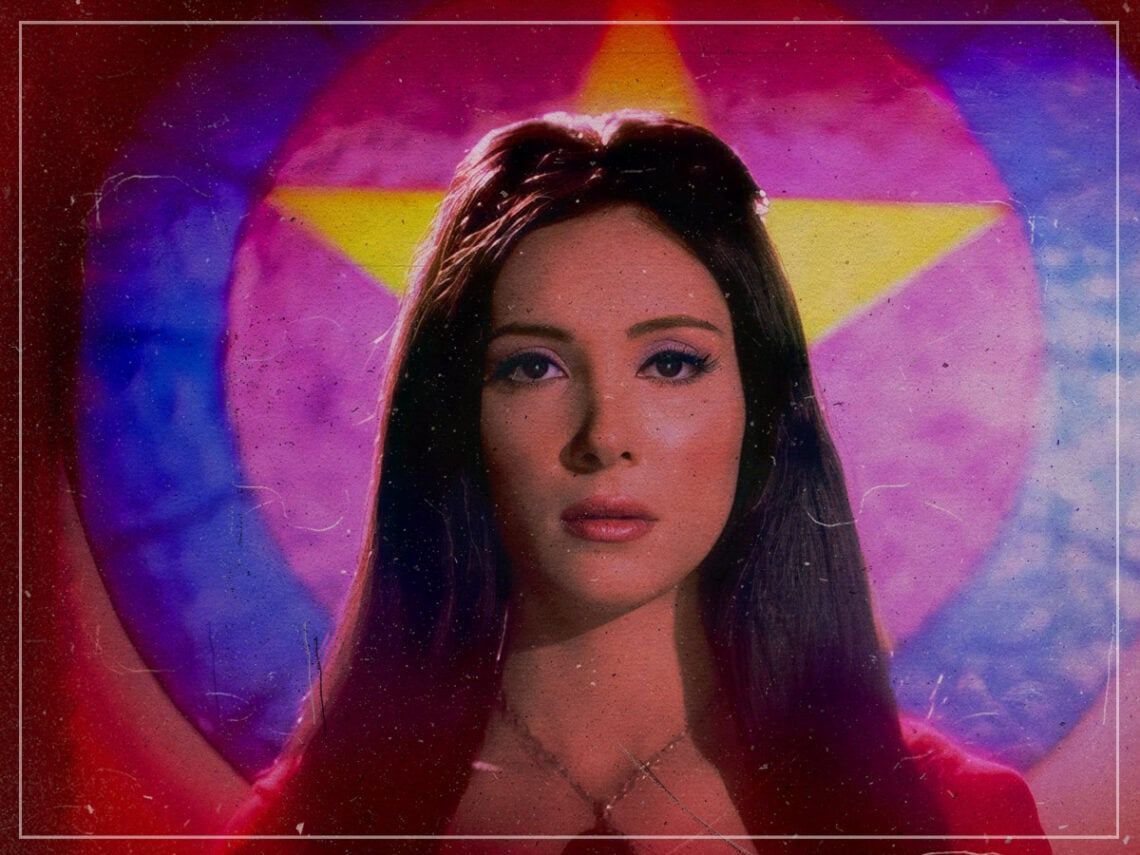
However, the depiction of witches has continued to develop since then, with movies like The Love Witch, The Witch, and Luca Guadagnino’s version of Suspiria furthering this mid-century depiction of witches as women with a distinctive sexual power. Some of these witches are haunting, like the ones in the latter film, where Tilda Swinton takes on various supernatural roles, while others, such as Elaine in The Love Witch, don’t actually possess supernatural powers.
Regardless, these films use witchcraft as the basis for exploring demonisation at the hands of patriarchy and the desire for women to be freed from expectation and convention. To many, this idea is scary, so terrifying in fact, that women are seen as supernatural creatures who should be burned or drowned, unable to unleash their sexual powers or their autonomy over society.
Calling a woman a witch might be an attempt to silence or condemn, but with the ever-increasing and varied depiction of female witches on screen (look at the recent popularity of Wicked), it seems like cinema is starting to uplift the voices that men have previously attempted to suppress, using witchcraft as the perfect allegory for misogyny and the desire for empowerment.
