


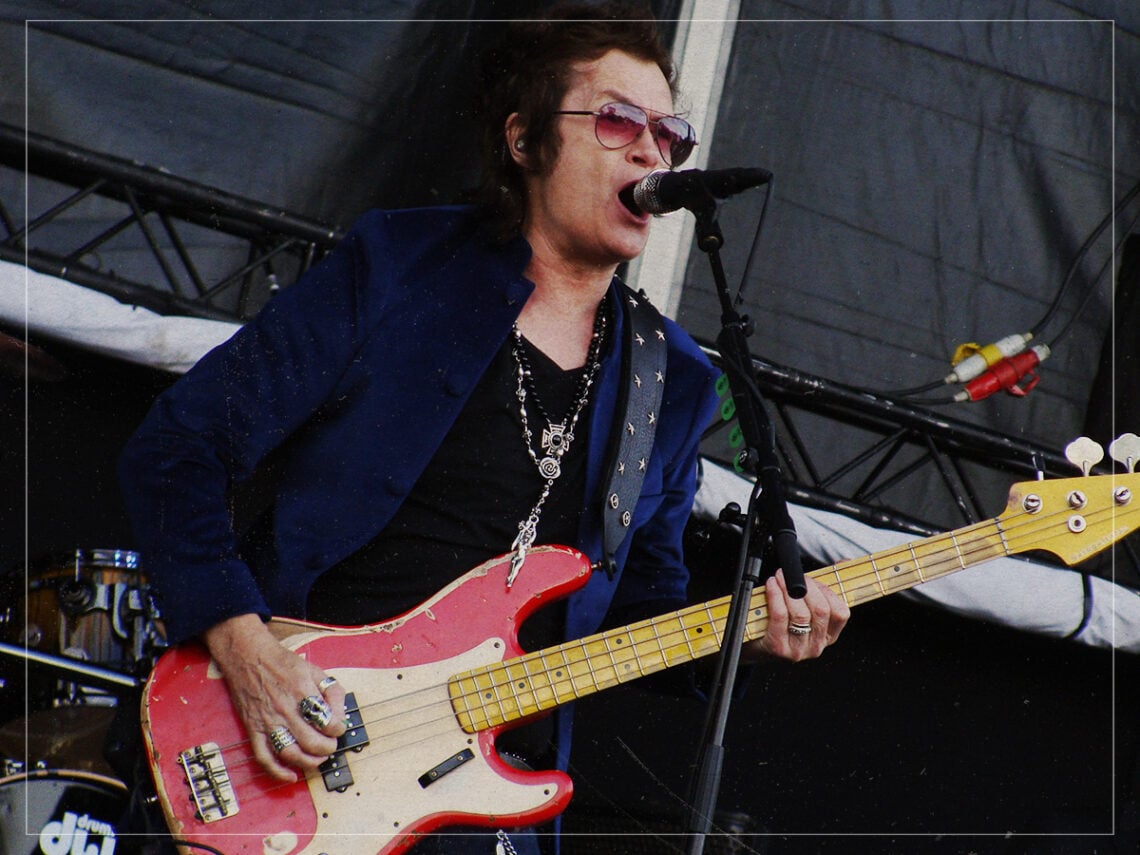
How Glenn Hughes was conned into making a Black Sabbath album

For many, pioneering heavy metal Brummies Black Sabbath ground to a halt in 1978 with Never Say Die!. Having won an army of dedicated fans straight from their 1970’s eponymous debut, their hard blues and occult lyrical dwellings set the template for the new wave of British heavy metal, thrash, and glossy hair metal that would dominate the following decade. Fronted by the arresting Ozzy Osbourne, his distinctive howl and eerie vocal melodies rendered the possibility of a replacement virtually unthinkable.
While there was enough alcohol and drugs for everybody in the band, Osbourne was given the boot for his supposed drunken behaviour, and—with the help of Sabbath manager, Don Arden’s daughter, Sharon—kickstarted a solo career from 1980’s Blizzard of Ozz and entered the new decade as a star of MTV’s era of rock.
Recruiting Rainbow’s Ronnie James Dio, Black Sabbath would enjoy a relatively successful chapter while receiving less favourable critical acclaim, before lapsing into bouts of parody while touring the Ian Gillan era, complete with massive Stonehenge sets and little people dressed as ghouls.
By 1986, Osbourne was a megastar, and Black Sabbath had disintegrated, leaving only guitarist Tony Iommi from the original line-up after bassist Geezer Butler’s departure. Heading to Hollywood’s Cherokee Studios with the intention of cutting a solo record, Iommi initially thought to corral the band Dio, Judas Priest‘s Rob Halford and Trapeze and later Deep Purple vocalist Glenn Hughes to sing a couple of tracks each. However, upon arrival, Hughes found himself committing to the project longer than expected.
“I wrote and sang a couple of songs in the first night,” Hughes revealed in 2021 on In The Trenches with Ryan Roxie. “And he asked me to come back the next day, and it kept going and going and going, and I ended up being the only singer on that solo album.”
Top-down pressure from Warner Records and Arden resulted in last-minute marketing as “Black Sabbath featuring Tony Iommi” adorning Seventh Star‘s cover of ‘Tommi’ pensively wandering some dusky desert in what was clearly intended as a solo shoot.
Featuring a hard rock strut as opposed to the doomy riffs Iommi was famed for, coupled with some glossy blues numbers and the stodgy ‘No Stranger to Love’ single, Sabbath’s ‘new album’ couldn’t have been more of an anomaly if it tried. Floating at a lowly 78 on the Billboard 200, Seventh Star stands as an anaemic chapter in the Black Sabbath story.
Still embarking on a tour to promote the album with damaged vocal cords due to a physical bust-up with production manager John Downing, Hughes was dismissed after just six shows. He was replaced by Badlands frontman Ray Gillan. ‘Tommi’ would captain Black Sabbath, and later bring Butler back to the fold, but most fans consider 2013’s 13 as Never Say Die!‘s true successor. It saw the classic quartet, back with drummer Bill Ward and Ozbourne at the mic, cut a record that captured the original magic that the slew of 1980s and ’90s LPs could never touch.
