


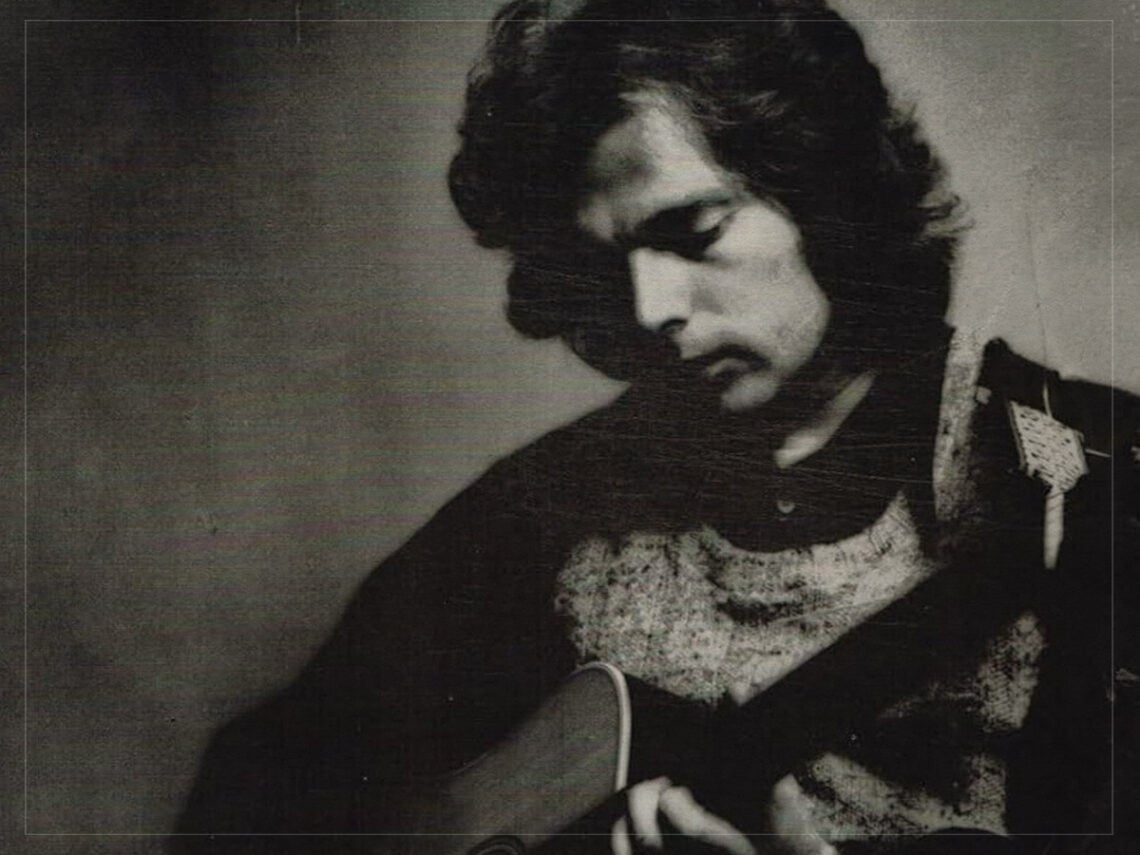
On the run from the mob: The manic story behind Van Morrison’s ‘Astral Weeks’

For a single day in 2018, Live in Boston 1968 was available on iTunes. It arrived without fanfare and disappeared within 24 hours, offering fans the briefest glimpse of Van Morrison at his most mystic.
Its sudden arrival and disappearance, however, were anything but magical. This was not a quirk of fate, but rather a function of legality. It was published to cook the books a little when it comes to copyright law to avoid the recording falling into the public domain. And yet, there couldn’t possibly be a more fitting way to release this rare live recording.
Fantastically flitting in and out of existence like a rainbow borne from art shining through the prism of brutal business is a perfect reflection of how the fabled concert itself came together.
When it was recorded over half a century ago, Morrison was living in fear. He scurried about the streets of Boston at a pace way beyond the typical wayfaring stroll of a folk songwriter. The erratic Irishman was scampering for good reason: he was hiding from the mob.
Following the death of producer Bert Berns, his Bang Records label had fallen into the hands of the mafia. They had previously kept their distance from the creative side of things, but now that the buffer of Berns was no longer, the meddling had begun.
The staunch and stocky Morrison wasn’t one to back down, and he found himself the victim of a beating by a coterie of the family’s cruel, hard-nosed punks following a disagreement over his artistry. He still refused to resolve the issue. Whatever the issue was, it is now lost to the sands of time. But that doesn’t mean it didn’t loom large back in the ‘60s.
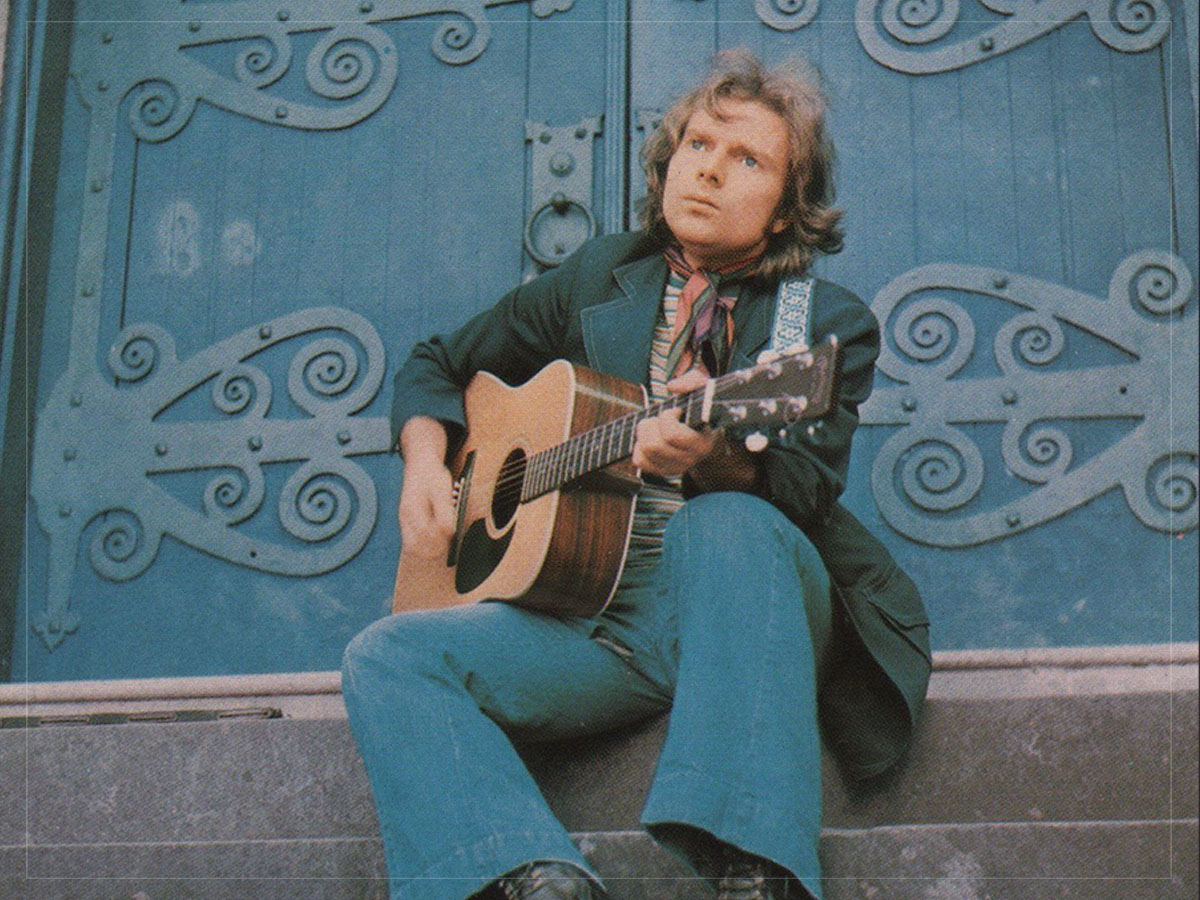
The initial threat the mob had posed was to reveal Morrison’s shady visa status and have him deported from the country. When he married his girlfriend, Janet Planet, in a hurry to secure citizenship, they changed tack and threatened his life. He fled New York for Cambridge, Massachusetts in a hurry at that stage, essentially going AWOL from his label.
He kept his head down in this leafier patch of bohemia, occasionally dipping into the commune led by Mel Lyman, a folk musician turned LSD guru whose latest trips had him believing that he was literally God. Throughout this excursion, Morrison was eternally sobered by the lingering danger shrouding his life with a haze of stress.
Even his former bandmate, Rick Philp, had recently been beaten to death by an unstable friend whose feelings of love for Philip went unrequited, sharpening the morbid reminder of why he found himself in this corner of the world.
He was reclusive. He looked over at the Summer of Love bubbling up in San Francisco with a degree of disdain, aware of the grubby truth behind the music industry and its strictly commercial intent.
But by nightfall, he’d crave the blues once more and call into the local radio station, hosted by Peter Wolf of the J Geils Band, and ask the singer to dig deeper into the station’s archives for his purified hit of music at its most guttural. Then, overcome with a frisson of inspiration, he’d turn down the dial on the radio and plug into his own source of the blues.
Soon enough, he was ready to book himself a gig. With Philip now bludgeoned out of existence and serving as a sorry reminder of the mess he had gotten himself into, Morrison had to be shrewd when assembling his band. He didn’t want to just hire great musicians, but folks he could keep things quiet with.
He tapped up John Payne and Tom Kielbania on nodding terms, and they descended into The Catacombs, an old jazz club in the heart of this hip town. It was a fittingly shadowy realm, the ideal place for Morrison to suddenly bear his recently cloistered soul.
Preparation was hard to come by, but he was confident not only in his jamming ability but also in his need to perform. An unmarked door at 1120 Boylston Street seemed like the perfect place for it. Behind that door is a hallway that takes you by an office, then you descend the stairs to a pool hall and down once more to a smoke-filled gothic tomb. It was so apt, in fact, that it is potentially the first place that the mob would look for a musician in a hide-out… if only they knew it existed.
That night, in that sacred subterranean space, Morrison tapped into something magical. He gilded the necessity of improvisation into the natural flow of exultation that poured from a performer subjugated to silence for too long. He was like a monk breaking a vow of silence after discovering the meaning of life.
This billowing release would become the basis of Astral Weeks, an album so grounded in the thrill of this live experience that Morrison would only communicate with the jazz musicians he had assembled around him by nods throughout the recording sessions. He didn’t want to disrupt what he had captured on that Boylston Street stage, so, like a method actor, he continued on as though an audience was watching their every move.
In the weeks before entering the studio to shape his imagined masterpiece into existence – one of the finest records of the era – Warner Bros had thankfully bought him out of his mob hell contract with Bang, and that relieved release is palpable in the flowing surge of Morrison’s own 1960s dream to be free from a nightmare: Astral Weeks.
So, if you’ve ever found yourself wondering how such sweet music can come from such a bitter man, then this backstory holds the key. After the harrowing ordeal he had been through, Astral Weeks captures him in a very rare roses sniffing moment, and maybe that’s why it is such a florid masterpiece.
