


‘Mulholland Drive’: How David Lynch saved Naomi Watts’ career when she felt “desperate”

After the passing of David Lynch, many of his collaborators marvelled at his rare and truly special ability of being able to see people for who they really were, even if they couldn’t see it themselves. At the beginning of his journey into Hollywood, Kyle Maclachlan struggled to see his own worth and wondered whether he had a place in the film industry at all until he was plucked from obscurity and cast in Blue Velvet, launching a long and wonderfully weird career.
The great director had a beautiful insight into the world that no one else had, using this to help people understand their own power and translate that into creativity. Because of this, his spirit touched the lives of everyone he worked with, with Naomi Watts sharing his transformative impact on her life and career.
Mulholland Drive is one of the most enigmatic and puzzling films of all time, creating a distinctly unsettling and dream-like quality as the audience drifts from one situation to the other and tries to piece together the truth. Lynch was uninterested in objectivity in art and was fascinated by the subjective interpretation that is created by each viewer, spreading the process of creativity by encouraging people to think critically about the story in front of them. Because of this, the story is always alive and evolving before our eyes, with everyone understanding the film in a completely different way.
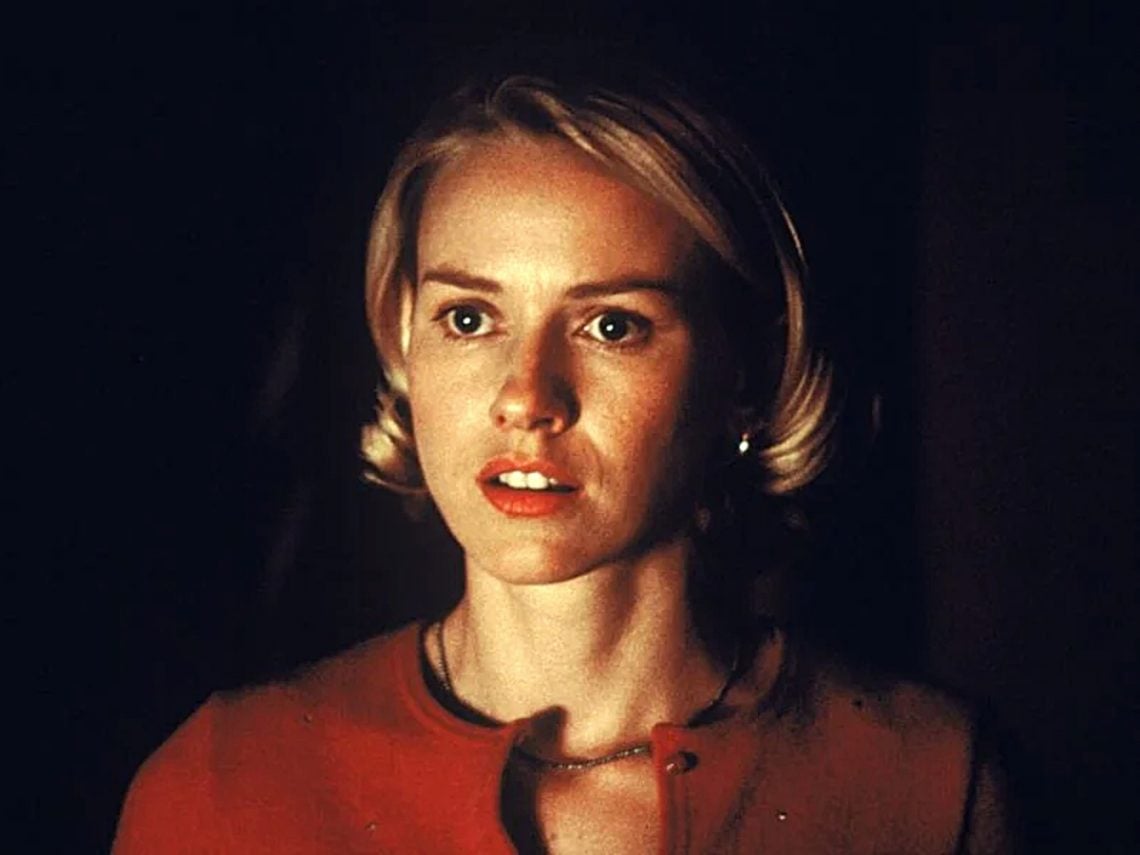
Naomi Watts famously starred in the film, playing both Betty and Diane in the dystopian and feverish story that explores Hollywood, abuse, fame and performance. While she seems like the perfect choice for this project and a natural-born movie star, the actor deeply struggled to find work at the beginning of her career and even considered quitting entirely.
When discussing this, Watts explained her state of desperation at the time, saying, “Nothing was happening. I was literally alienating people. I was making them uncomfortable because I was so like, ‘I need a job! I need a job!’ So much so that my agent at the time said, ‘You’re too intense. You’re making people uncomfortable.’ Yeah, I need a job. I’m desperate. I need to work.”
However, Lynch was an angel in disguise for many of the people he worked with, bringing them into his wonderful world and making the outcasts feel at home. Watts explained her first interaction with the director, saying, “Long story short, David Lynch called me in and has a very different way of casting. He sat me down and just looked me in the eyes and asked me questions, and most of the time I was like, ‘How do I get out of your way? How do I speed this up?’ [Because] I’m sure I’m not right, because I just had that programming: I’m not funny, I’m not sexy, I’m too old, I’m too this, too that. And he just saw me and was able to sort of lift these veneers.”
Many people have described this magical ability Lynch had to make people aware of their own value in a way that they couldn’t understand. In an industry like Hollywood, many people can become jaded and insecure about their worth, but Lynch was truly special in the way that he could make people alive with possibility and their own potential.
