


How David Bowie transformed The Stooges with ignorance: “He didn’t really understand”

No one could tame Iggy Pop in the early part of the 1970s. There was simply not a band on the planet who were more ferocious and unpredictable than The Stooges, and Iggy was their wild and uncontainable leader.
Iggy’s waltz on a knife-edge was entertaining for the music world, and moreover, it boldly took punk into a brave new era. But really, it wasn’t sustainable. He was on an unrelenting crash course that was set to end in a blaze of drama, and so the world wondered who would be able to intervene and shepherd Iggy’s vital artistry into a more structured outlet.
In a bizarre twist of fate, that person ended up being David Bowie, not only the most famous man on the planet at the time, but an artist with a similar penchant for chaos and whose dangerous levels of hedonism made him what you would think was a match made in hell for Iggy…and the rock and roll anecdotes prove it – the pair got into their fair share of unruly drama in their friendship, but behind it all was a crucial creative relationship that changed music.
Iggy met Bowie during a period when the Londoner was exploring producing, as something of a side hustle. In ‘72, he had just delivered Lou Reed’s seminal record Transformer, and so his stock was even higher than it was as an artist, and despite feeling as though introducing Iggy to Bowie was like petrol and fire, The Stooges sought to get in on the act.
The band’s guitarist, James Williamson, co-wrote most of the record with Iggy before meeting Bowie with a set of roughly produced demos. “Bowie was on tour in the US then, so he had to do it fairly quickly,” he remembered.
Adding, “It was my first album, so I wasn’t going to be too critical in the studio. Bowie had done a lot of albums, so we figured he knew what he was doing. But the problem was this was not a Bowie style of music – it wasn’t tune-y or anything that he usually does.”
While Bowie and Iggy began what would become a decade-long brotherhood in the studio that day, Williamson left unconvinced. He wanted to bring a harder edge to these songs, stepping ever so slightly away from the subtle groove that informed the first two Stooges records and to his mind, Bowie didn’t quite grasp that and instead gave a thin layer of gloss that contradicted the intent.
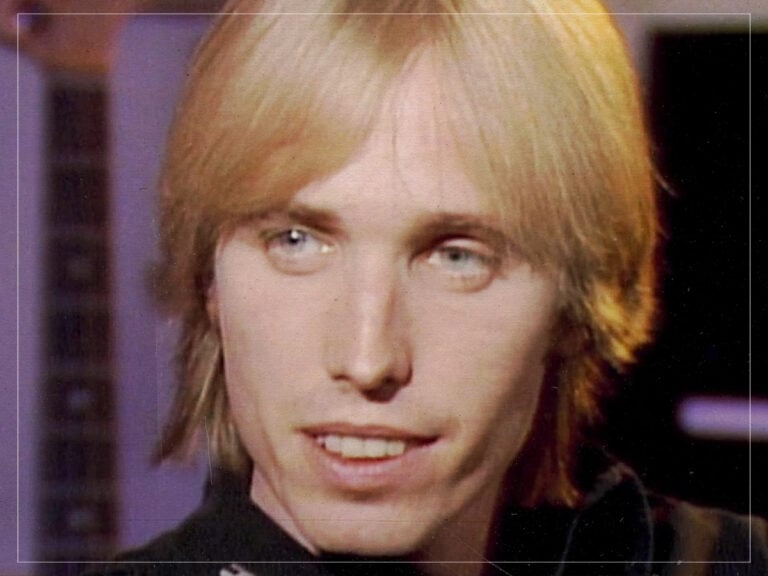


“I think he didn’t really understand the music,” Williamson claimed. “And he put a real arty overlay on it. There’s been a lot of criticism about it over the years, but you’ve got to give him credit that nothing sounded like it before or since.”
Maybe Bowie’s lack of understanding is exactly what made it the album it was. Here Williamson was, with a catalogue of full-blooded punk tracks under his arm that Bowie transformed into something completely unique. The blending of sensibilities from these three musicians with different approaches converged to make a rock and roll mutt that the world, and maybe The Stooges, weren’t ready for.
