


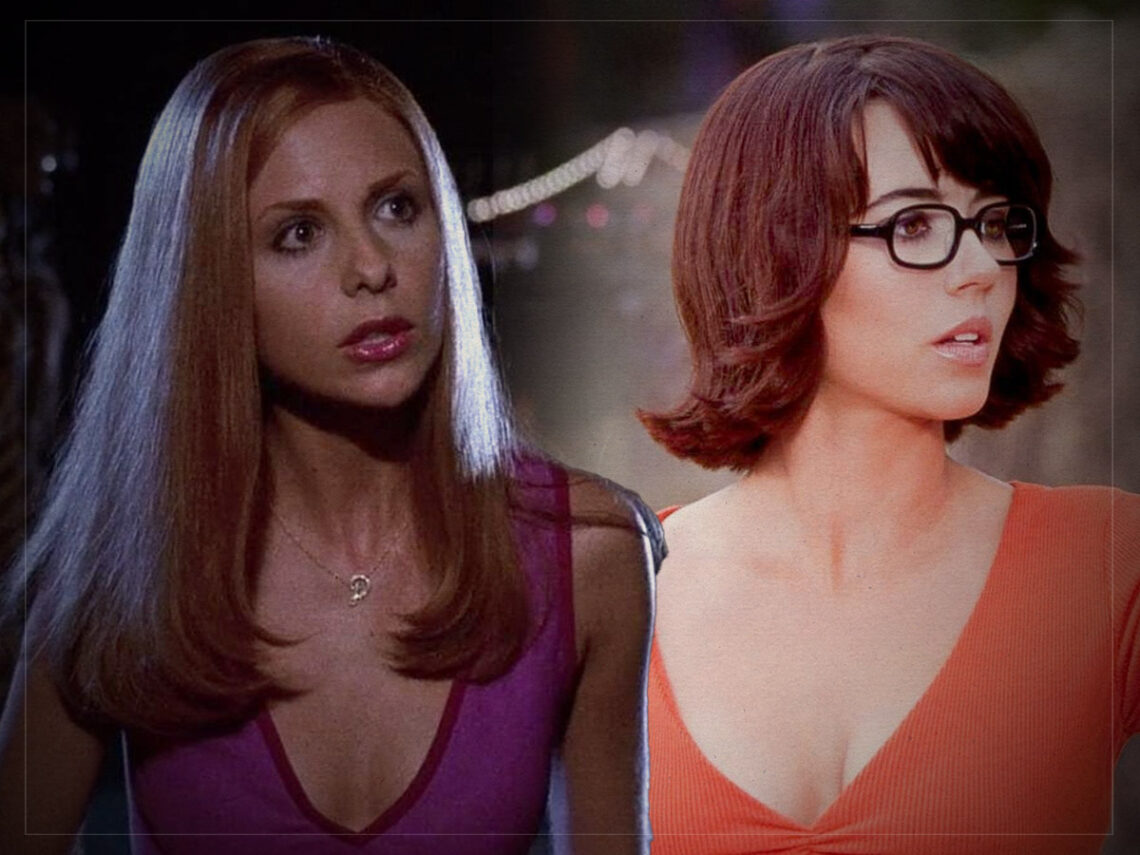
“A nightmare”: How CGI cleavage became James Gunn’s biggest Hollywood battle

James Gunn’s willingness to be provocative has given him both creative success and caused significant behind-the-scenes headaches.
Gunn is a bit of an anomaly in today’s industry because he has been attached to many major franchises and important properties, yet has never had to tone down his weirdness. Making projects within a wider cinematic universe can force some filmmakers to cut off their idiosyncrasies for the sake of appeasing a broader audience, but he has had remarkable authority over the films and shows that he is involved in.
Long before he became the President of the burgeoning DC Studios, and even before he made the Guardians of the Galaxy series for Marvel, Gunn was a screenwriter who primarily worked on low-budget projects for Troma, with his first major opportunity was writing the screenplay for Scooby-Doo, a live-action film based on the classic cartoon series that starred Sarah Michelle Gellar, Freddie Prinze Jr, Linda Cardellini, and Matthew Lillard.
Gunn’s intention for the film was to make something aimed at teenagers, which allowed him to include some of the more edgy humour that wouldn’t have been possible for a children’s film, but he immediately started receiving blowback when Scooby-Doo was submitted to the MPAA.
“The first movie was a nightmare,” he said, “People know that our first rating was rated R. It was about something stupid. It was not an R-rated movie. We cut that one thing, and then it was PG-13. We had written and directed a movie that was for teenagers, that was basically a little more like Austin Powers. It was more risqué.”
A PG-13 rating was theoretically what Gunn had been hired to get, as it would still appeal to an adolescent audience who could handle slightly more mature jokes, but he was then met with a studio mandate that insisted that the film needed to be PG, which would allow it to be seen by children who could buy toys.
“They decided that this was a movie completely for family, children, and that everything needed to be adjusted to be for kids,” Gunn said, “The girls’ cleavage was CGI’d because of one test audience member in Sacramento who was like, ‘why are their dresses so low-cut?’ So both Sarah and Linda’s cleavage was CGI’d out.”
The MPAA is a strange organisation that has often made controversial decisions regarding its assigned ratings; traditionally, it’s more likely to get a mature rating because of language or sexual content, whereas a significant amount of violence can still be allowed in a PG-13 film. That Gunn also had to abide by the suggestions of a test audience was likely even more frustrating, as nothing is more irritating to a filmmaker than having to take suggestions from viewers who don’t know anything about how movies are made.
Thankfully, the creative backlash against the Scooby-Doo films never stuck to Gunn, who was able to show the types of projects he was actually interested in when he penned the screenplay for Zack Snyder’s remake of Dawn of the Dead and directed the low-budget horror film Slither. As the current head of all of DC’s film and television projects, Gunn is finally in the position where he is calling the shots, meaning that the superhero content coming from Warner Bros. has conformed to his standards.
