


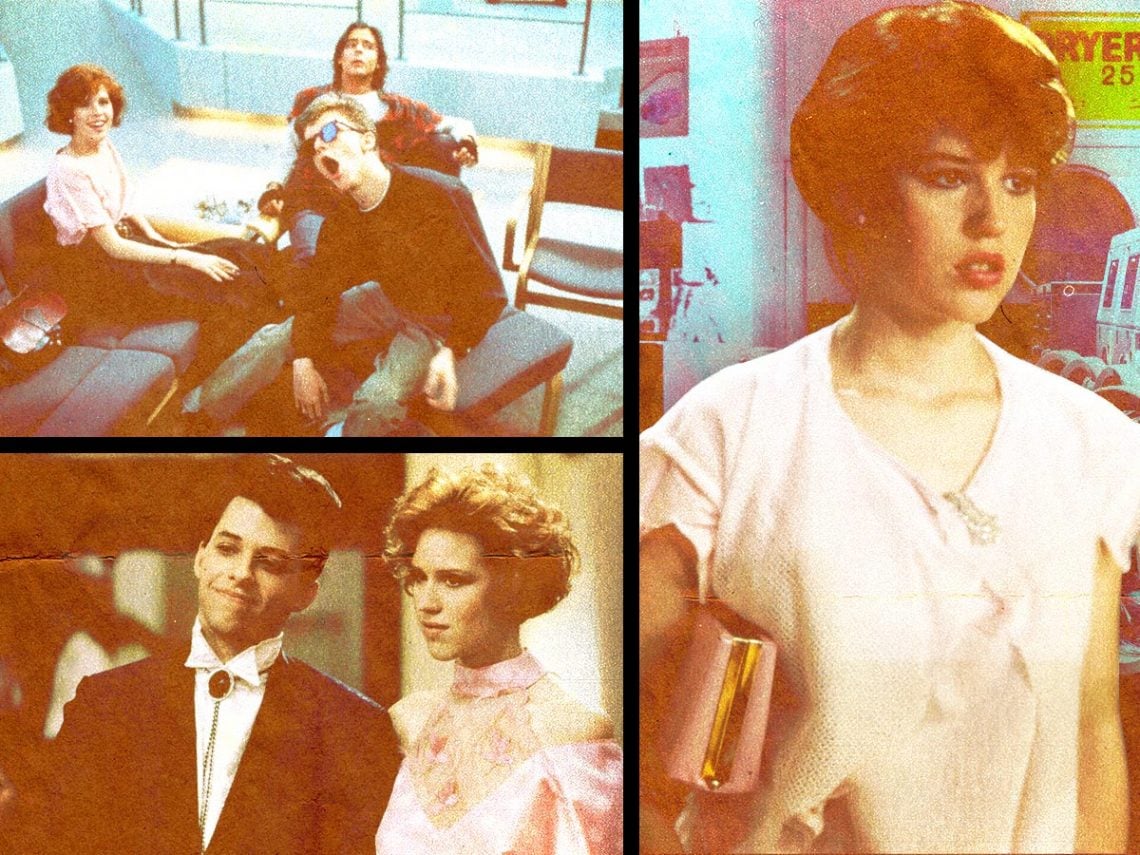
How Brat Pack misogyny held back Hollywood progression

The cultural impact of Hollywood has always been dependent on the stars it produced, towering figures whose appeal was often amplified by their creative partnerships. The opportunity to capture these actors in a group photo on the red carpet or out on the street is a goldmine for the press, who know the groups will become the centre of public attention, especially in this contemporary age of celebrity worship and fan culture. Some of these groups are given names, such as The Brat Pack, for example.
Many duos and larger groups have dominated films, such as director Martin Scorsese’s regular cast members, including Robert De Niro, Leonardo DiCaprio, Harvey Keitel and Joe Pesci. Jordan Peele has taken rising star Daniel Kaluuya under his wing and made him a star on the big screen. Tim Burton employs Johnny Depp and Helena Bonham Carter to communicate his unorthodox Gothic style. Wynnona Rider’s intimate friendship with the dearly missed Brittany Murphy can be seen in nostalgic paparazzi photos from the early 2000s, likewise to Keanu Reeves and River Phoenix in the early 1990s. In a way, these alliances between film industry members humanise influential figures, exhibiting their close bonds that transcend from business to private matters.
One early group that stormed Hollywood upheld a laid-back and fun-loving dynamic between some of the ’80s biggest stars. The Brat Pack was the name given by writer Mark Blum to the alliance of Emilio Estevez, Rob Lowe, Judd Nelson, Tom Cruise, Matt Dillon, Andrew McCarthy, Sean Penn and a few others. This group of famous actors gathered critical and audience acclaim through their collaborated films, such as The Outsiders, St Elmos Fire and The Breakfast Club, some of the decade’s most iconic and beloved coming-of-age classics.
These young yet powerful film stars had the world at their feet, thriving in the success and privilege their group brought them. However, Lowe once shared a harsh, unexpected truth about the glitz and glam of show business, showing a darker side to these popular groups. In 2011, the actor told NPR: “I think the people in Hollywood are looking to fill something missing in them, and performing does that. But when you reach the mountain top, you realise you’re still the same; it didn’t fill you up.”
Lowe is referencing substance abuse and other vicious cycles that stars stoop to in order to handle the pressures and trials of stardom. He also revealed how the young cast members were given beers during breaks from The Outsiders, the Francis Ford Coppola adaptation of S.E. Hinton’s novel. “You drink a beer and think nothing of it; it was a culture that was so different,” Lowe explained. “Without even knowing it, it became just a big part of my life to the point where I decided that I needed to go and get help.” The actor has been sober since May 1990, following a public scandal where a sex tape was leaked that featured a 16-year-old girl, with the age of consent in the state of Georgia where the incident took place being 14 at the time. However, a 16-year-old is underage when it comes to being filmed.
It appears that addiction is something that all of the group members were hiding behind their public image.
Lowe’s fellow Brat Pack member Estévez, the son of actor Martin Sheen and older brother of fellow actor Charlie Sheen, also went down a self-destructive route. The actor was caught having an affair with model Carey Salley whilst publicly engaged to actor Demi Moore, as well as other implied reckless behaviour such as drinking heavily. After his older brother had a public nervous breakdown in 2011, following years of drug abuse and career-ending incidents, Estévez told the Sunday Times: “All I can do for Charlie, and I can’t live his life for him, is try to be an example. But, really, I was a pretty poor one.”
When you’re a young and talented star in Hollywood, trouble turns up right at your door. However, if you’re a male star, chances are you can dodge too many consequences.
Moore was another member of the Brat Pack, known at the time for St Elmos Fire before making a Golden Globe-nominated appearance in Ghost. However, Moore nearly faced a public scandal as a result of her own addictions, as St Elmos Fire director Joel Schumacher threatened the young star to clean up her act or she would be fired from the production. The director told People magazine: “I didn’t want to do what they had done with John Belushi, which was just to give her the money to kill herself.” Compare this to the male Brat Pack members being encouraged to drink on set, carrying this habit into their private lives with no responsibilities or comeuppance.
However, the director took a much more cruel approach behind the scenes. Carl Kurlander, the film’s co-writer, revealed how during the threat, Schumacher told Moore: “Go kill yourself on somebody else’s movie. I’m not going to let you be on this movie and kill yourself” (via Cheatsheet). Moore then received an intervention and was told she had ten days to get clean, checking into rehab soon after. She remained clean until the early 2000s, relapsing when her then-husband Ashton Kuther allegedly told her addiction wasn’t real. There have been no reports of similar incidents concerning the male Brat Pack members, despite it being open knowledge they had been involved in the party lifestyle just as much as Moore. Did Lowe face such brutal and scathing treatment following his scandal of documented statutory rape in the upcoming years?
Another female member of the group was Ally Sheedy, most recognised as Allison The Basketcase in the monumental American classic The Breakfast Club. Sheedy spoke to The Independent about her time as a Brat Pack member and how the name was coined during a journalist’s boys’ night out with some of the immediate members. “The ladies weren’t there! I think he got one particular angle when the truth is that the guys would hang out a bit, but we weren’t hanging out as one big group,” Sheedy shared as the reality behind the cameras. “We weren’t young actors running around town spending all our time together. I thought it was a little gossipy and undermining, and I didn’t know that it was going to stick the way that it did. It was uncomfortable for quite a long time.”
Blum’s presentation of The Brat Pack was one that initially neglected the female presence, despite these members playing just as much as an important role in the classic films. It also presented a misplaced and exaggerated image of the group’s dynamic.
She then adds: “As time went on, the white men’s club in Hollywood became more and more uncomfortable. I preferred to work with women, but I didn’t have that many opportunities to do so. Hollywood was and is a misogynist culture. There was quite a bit of pressure on me from the men in power about what I looked like and about this and that and the other thing. Acting started to just feel more and more to me like something that I didn’t want my life to necessarily be about.” The actor struggled under this ‘misogynist cult’, eventually succumbing to her own battle with addiction, eating disorders and mental struggles. These issues were kept secret from the public, illustrating how Hollywood conceals its mistreatment towards women.
In turn, this highlights an ever-present lack of Hollywood progression when it comes to treating women equally to men and maintaining the ideal illusion of popular entertainment groups. Another way the illusion is shattered is the revelation that none of the Brat Pack members approved of Blum’s christening of them or the fact that he collectively gelled them as one rather than individual talent.
The Brat Pack can be re-assessed and made into another prominent example of what Hollywood can hide through a strictly orchestrated public image and a vehicle to exert inequality and restrictive attitudes towards men and women.
Watch Lowe deliver another harsh truth about the group below.
